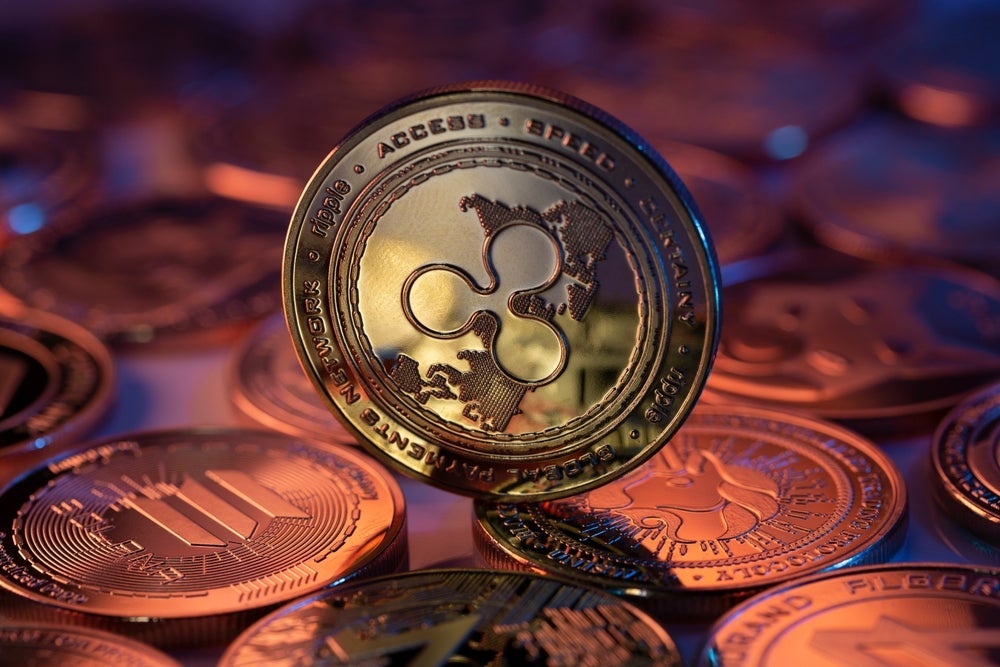
In a dramatic shift within the cryptocurrency space, XRP, the digital currency associated with Ripple Labs, has surged to become the third-largest cryptocurrency by market capitalization. This unprecedented rise has seen XRP surpass several major corporations, including global giants like Boeing and Nike. This article explores the factors contributing to XRP’s remarkable performance, its implications for the digital currency market, and what this shift could mean for the future of blockchain technology and financial systems.
The Rise of XRP: Key Drivers Behind the Surge
XRP’s impressive ascent in market rankings has caught the attention of both cryptocurrency enthusiasts and traditional investors alike. As of the latest figures, XRP has surpassed $100 billion in market capitalization, marking a major milestone in its journey. The factors behind this surge are multifaceted, combining a mix of favorable market conditions, strategic business developments, and shifts in investor sentiment.
1. Positive Legal Developments
One of the key factors driving XRP’s rise is the favorable outcome in its ongoing legal battle with the U.S. Securities and Exchange Commission (SEC). In 2023, a court ruling sided with Ripple Labs, determining that XRP should not be classified as a security under U.S. federal law when sold to retail investors. This legal victory significantly boosted confidence in XRP, as it cleared regulatory uncertainty that had been hanging over the cryptocurrency for years.
With the legal cloud lifted, Ripple’s ability to continue its operations without fear of regulatory crackdown has enhanced its market appeal. Investors, who had previously been hesitant due to concerns about potential penalties or limitations, have flocked to XRP, contributing to its impressive market performance.
2. Ripple’s Expanding Business Partnerships
Ripple Labs, the company behind XRP, has been proactively building partnerships with global financial institutions, further increasing the utility and legitimacy of the cryptocurrency. Ripple’s cross-border payment solution, which utilizes XRP as a liquidity tool, has garnered interest from banks, payment providers, and even governments. Notably, Ripple’s collaborations with companies like Santander, American Express, and PNC have increased XRP’s visibility and use case.
Moreover, Ripple’s push to expand into Asia, with new partnerships in countries like Japan and Singapore, has broadened its geographic footprint. As a result, XRP has cemented itself as a viable alternative to traditional payment systems, positioning itself as a leader in the blockchain-based financial services sector.
3. Market Sentiment and Cryptocurrency Adoption
Another key contributor to XRP’s rise is the growing mainstream adoption of cryptocurrencies. As more institutions and retail investors look to diversify their portfolios with digital assets, XRP has benefited from the general bullish sentiment surrounding the crypto market. The rise of decentralized finance (DeFi), coupled with greater institutional interest in blockchain technologies, has provided the entire cryptocurrency market with a strong upward push.
Additionally, XRP’s use case as a bridge currency for cross-border payments appeals to investors who are seeking real-world applications for blockchain technology. Unlike Bitcoin, which is often viewed as a store of value or a hedge against inflation, XRP’s emphasis on practical use in global finance has helped it gain traction in the digital assets space.
Comparing XRP’s Performance with Industry Giants
Perhaps the most striking aspect of XRP’s recent surge is how it has outperformed well-established corporations like Boeing, Nike, and even major players in the tech and finance sectors. As of the latest market data, XRP’s market capitalization surpasses that of iconic companies with decades of history, raising questions about the relationship between traditional financial markets and the rapidly evolving cryptocurrency industry.
XRP vs. Traditional Corporations: A New Paradigm?
In terms of market valuation, XRP has now entered the same league as some of the world’s most valuable companies. This comparison highlights a growing trend: blockchain-based assets are increasingly seen as not just speculative investments, but as integral components of future financial systems.
While companies like Boeing and Nike are highly respected brands with substantial physical assets and diversified product lines, XRP’s digital nature allows it to scale in ways that traditional businesses cannot. XRP’s use in global finance offers advantages that go beyond just supply and demand. With the ability to facilitate near-instant cross-border payments at a fraction of the cost of traditional financial systems, XRP is transforming how global transactions are conducted.
This shift marks the beginning of a new era where digital assets and cryptocurrencies challenge the dominance of long-standing multinational corporations in certain financial sectors. XRP’s rise reflects the broader trend of digital currencies reshaping industries traditionally dominated by legacy financial systems.
The Broader Implications of XRP’s Surge
As XRP solidifies its position as one of the leading cryptocurrencies, it is essential to examine the wider implications of this rise for the cryptocurrency ecosystem and the traditional financial sector. The surge of XRP is not just a matter of market value; it signals a shift in how digital currencies are perceived by both investors and regulatory bodies.
The Future of Blockchain and Cryptocurrencies
The growing acceptance of XRP highlights the increasing trust in blockchain technology as a tool for improving financial processes. Blockchain, the decentralized ledger technology underlying cryptocurrencies, has the potential to revolutionize industries beyond finance. From supply chain management to healthcare and voting systems, blockchain’s promise to create more transparent, efficient, and secure systems is becoming more apparent.
However, while XRP’s rise is a significant milestone, it is important to consider that the cryptocurrency market remains volatile and highly speculative. Factors like regulatory changes, technological advancements, and shifts in investor sentiment could dramatically impact XRP’s future trajectory. As such, the broader cryptocurrency market must be prepared for both opportunities and challenges that come with this rapid innovation.
Impact on Traditional Finance and the Regulatory Landscape
The rise of XRP also raises questions about the future relationship between traditional finance and decentralized finance (DeFi). Ripple’s technology, which aims to improve cross-border payments, directly competes with existing financial infrastructure. As governments and central banks continue to explore the potential of digital currencies, it is likely that new regulations will emerge to balance innovation with consumer protection.
In particular, the success of XRP could push regulators to revisit their approach to cryptocurrency regulation. Already, countries like the United States and the European Union are working on frameworks to govern digital assets more comprehensively. XRP’s rise may accelerate these efforts, as governments seek to integrate digital currencies into the broader financial system while ensuring the stability of the global economy.
Conclusion: Is XRP the Future of Digital Payments?
XRP’s remarkable surge in market value is not just a flash in the pan. The cryptocurrency has demonstrated its utility, gained significant regulatory approval, and formed strong business partnerships that position it for sustained growth. However, its future will depend on several factors, including continued legal clarity, market sentiment, and the broader adoption of blockchain technology.
As XRP joins the ranks of global financial giants, its rise represents a pivotal moment in the evolution of digital currencies. Whether XRP will maintain its position or face challenges from newer technologies and regulatory shifts remains to be seen. However, it is clear that XRP has established itself as a major player in the cryptocurrency space, and its influence on the global financial system is only beginning to unfold.
For more updates on cryptocurrency trends and developments, you can visit CoinDesk.
See more CNBC Network