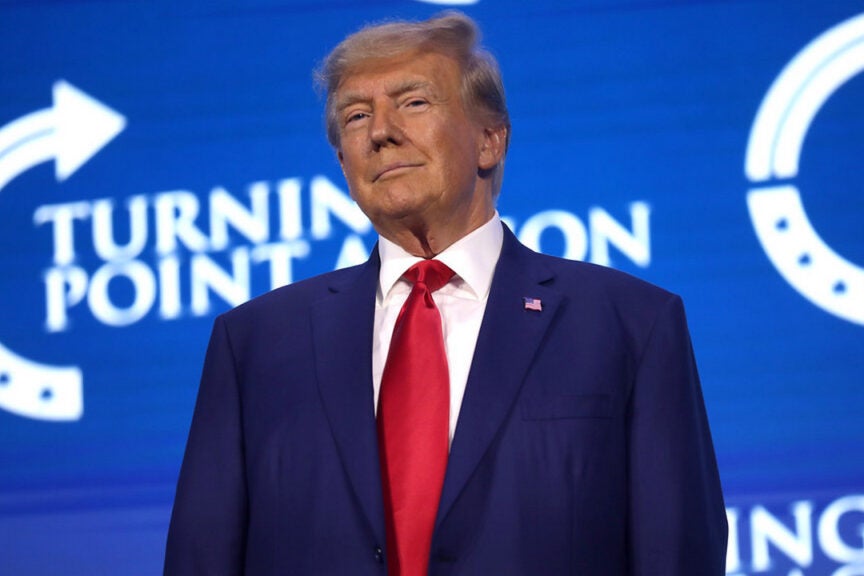
Trump’s Bold Move: Will Crypto Become a National Priority Under Executive Order?
As speculation mounts, former President Trump is reportedly considering an executive order to elevate cryptocurrency to a national priority. This potential shift could have profound implications for the financial landscape and regulatory frameworks in the U.S. The cryptocurrency market, known for its volatility and rapid evolution, has captured the attention of investors, technologists, and policymakers alike. If Trump follows through with this bold move, it may reshape the way cryptocurrencies are perceived and regulated in America.
Understanding the Current Crypto Landscape
The cryptocurrency market has undergone significant changes over the past decade. Initially dismissed by many as a fringe investment, digital currencies like Bitcoin and Ethereum have gained mainstream acceptance. According to recent data, the global cryptocurrency market capitalization exceeds $2 trillion, with millions of Americans holding digital assets. This surge in interest has prompted discussions about the need for clearer regulatory frameworks.
Current regulations are often seen as fragmented and inconsistent, leading to confusion among investors and innovators. The lack of a cohesive national strategy has resulted in states pursuing their own regulatory paths, creating a patchwork of rules that can hinder innovation. A potential executive order from Trump could address these challenges by establishing a unified approach to cryptocurrency regulation.
The Implications of an Executive Order
Should Trump implement an executive order prioritizing cryptocurrency, the implications could be vast:
- Regulatory Clarity: A national framework could provide much-needed clarity for businesses and consumers alike, fostering a more stable environment for investment.
- Increased Adoption: With a clearer regulatory environment, traditional financial institutions may feel more comfortable engaging with cryptocurrencies, potentially leading to increased adoption across sectors.
- Innovation Boost: A focus on cryptocurrencies could spur innovation in financial technology, blockchain applications, and related fields.
- Global Leadership: The U.S. has the opportunity to position itself as a leader in the cryptocurrency space, influencing global standards and practices.
Potential Challenges Ahead
While the prospect of an executive order is exciting, it is not without its challenges. The cryptocurrency landscape is complex, and there are several factors to consider:
- Security Concerns: Cryptocurrency has been associated with illicit activities, including money laundering and fraud. Any regulatory framework must address these concerns without stifling innovation.
- Consumer Protection: Investors need protection against scams and market manipulation. Striking the right balance between regulation and consumer protection will be crucial.
- Technological Evolution: The fast-paced nature of cryptocurrency technology means regulations could quickly become outdated. Policymakers will need to adopt a flexible approach to keep up with innovation.
Trump’s Previous Stance on Cryptocurrency
To understand the potential impact of Trump’s executive order, it’s essential to look at his previous statements regarding cryptocurrency. During his presidency, Trump expressed skepticism about Bitcoin, stating that he was “not a fan” of the digital currency. He raised concerns about its volatility and its potential to undermine the U.S. dollar.
However, the landscape has evolved since then. Major corporations and financial institutions have begun to embrace cryptocurrencies, prompting a shift in public perception. Trump’s consideration of an executive order may indicate a recognition of this new reality and a willingness to adapt to the changing financial landscape.
The Role of Stakeholders in Shaping Crypto Policy
Implementing an executive order on cryptocurrency will require collaboration among various stakeholders:
- Government Agencies: Agencies such as the Securities and Exchange Commission (SEC) and the Commodity Futures Trading Commission (CFTC) will play pivotal roles in shaping the regulatory framework.
- Industry Experts: Input from cryptocurrency experts and industry leaders will be crucial in creating effective and practical regulations.
- Consumer Advocacy Groups: These groups can provide insights into consumer needs and concerns, ensuring that regulations protect investors without stifling innovation.
Potential Benefits of Prioritizing Crypto
Elevating cryptocurrency to a national priority could yield numerous benefits:
- Economic Growth: A unified regulatory approach could attract investment and stimulate job creation within the blockchain and cryptocurrency sectors.
- Enhanced Financial Inclusion: Cryptocurrencies have the potential to provide financial services to the unbanked population, fostering greater financial inclusion.
- Tax Revenue: Clear regulations could streamline tax reporting for cryptocurrency transactions, increasing government revenue from this emerging sector.
The Future of Cryptocurrency in America
The future of cryptocurrency in the United States hinges on the actions taken by the government. An executive order prioritizing crypto could serve as a significant turning point, signaling a commitment to embracing the digital future. However, it will require careful consideration of various factors to ensure that innovation thrives while protecting consumers and maintaining financial stability.
As we look ahead, it’s essential for all stakeholders—government, industry leaders, and consumers—to engage in constructive dialogue. This collaboration will be key to developing a regulatory framework that balances innovation with security and consumer protection.
Conclusion
Trump’s potential executive order to elevate cryptocurrency as a national priority represents a bold move that could redefine the financial landscape in the U.S. While challenges remain, the opportunity for growth, innovation, and leadership in the cryptocurrency space is immense. As we await further developments, one thing is clear: the future of finance is digital, and the U.S. must navigate this evolving landscape with foresight and collaboration.
See more CNBC Network