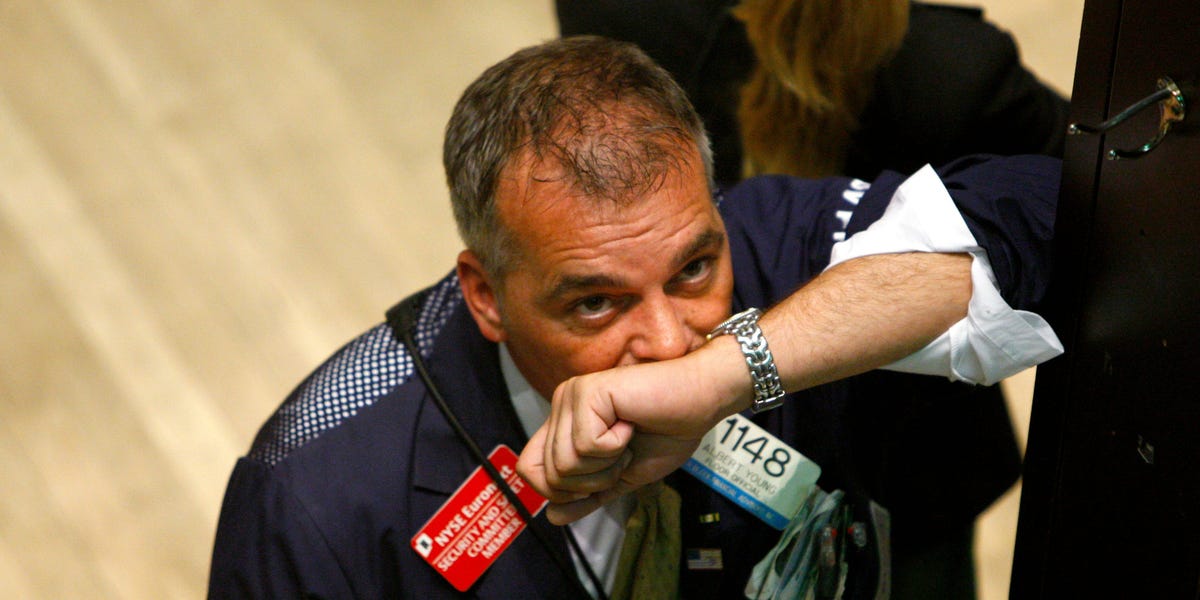
A Market Seer Sounds the Alarm: Understanding the Impending Risks
A seasoned market analyst, renowned for accurately predicting the crashes of 2000 and 2008, has recently raised a cautionary flag regarding the stock market. This expert, often referred to as a “market seer,” suggests that we may be on the brink of the “third great speculative bubble” in a century. Such a proclamation is no small matter, and it invites an urgent reevaluation of investment strategies as the potential for long-term downturns looms. As we delve deeper into this analysis, it becomes imperative for investors to understand the implications of these warnings and prepare accordingly.
The Historical Context: Lessons from Past Crashes
To grasp the gravity of the current situation, we must first look back at the previous market crashes that have shaped investor behavior and economic policies. The dot-com bubble of the late 1990s and the subsequent financial crisis of 2008 serve as pivotal learning points.
- Dot-Com Bubble (1997-2000): Fueled by the Internet boom, investors poured money into tech stocks, often disregarding fundamentals. When the bubble burst, the Nasdaq Composite lost nearly 78% of its value.
- Financial Crisis (2007-2008): Triggered by the collapse of the housing market and risky mortgage-backed securities, this crisis led to a global recession, wiping out trillions in wealth. Major financial institutions failed, and unemployment soared.
In both cases, the bursts were preceded by exuberant speculation and a disconnect between asset prices and their underlying value. As the market seer warns, we may be witnessing similar patterns today.
Identifying the Signs of a Speculative Bubble
So, what exactly constitutes a speculative bubble? Generally, it refers to a market condition where asset prices are driven to unsustainable levels, far exceeding their intrinsic value. Here are some indicators that investors should watch closely:
- Rapid Price Increases: A steep rise in asset prices, particularly in sectors like technology or real estate, without corresponding growth in earnings or economic indicators.
- High Leverage: Increased borrowing to invest in assets can amplify gains but also risks significant losses if the market turns. The current consumer debt levels are alarming, with many individuals and corporations taking on more debt than they can handle.
- Investor Sentiment: A pervasive sense of euphoria or fear of missing out (FOMO) can drive irrational investment decisions. When everyday investors begin to enter the market en masse, it’s often a sign of speculative behavior.
- Disconnection from Fundamentals: When price-to-earnings ratios rise significantly above historical averages, it may indicate that stocks are overvalued.
These signs, when observed collectively, paint a concerning picture for the current market landscape.
The Impact of Monetary Policy
Another critical factor contributing to the potential for a market downturn is the role of monetary policy. In recent years, central banks around the world adopted ultra-low interest rates and quantitative easing to stimulate economic growth following the last recession. While these measures were effective in stabilizing the economy, they have also created an environment ripe for speculation.
Low borrowing costs encourage borrowing and investment, but they can also lead to asset bubbles. As interest rates begin to rise, the cost of borrowing increases, which can lead to a contraction in spending and investment. This shift could trigger a reevaluation of asset prices, leading to a dramatic correction.
Sector-Specific Risks: Where to Look
While the potential for a market downturn looms, certain sectors may be more vulnerable than others. A few areas to monitor include:
- Technology: The tech sector has seen unprecedented growth, with companies achieving sky-high valuations. If interest rates rise, high-growth tech stocks may face significant sell-offs.
- Real Estate: With rising mortgage rates, affordability issues could lead to a slowdown in home sales and a potential decline in property values.
- Cryptocurrency: The crypto market has attracted speculative investments, and with regulatory scrutiny increasing, a downturn could be swift and severe.
Strategies for Investors: Preparing for Uncertainty
For investors, the key takeaway from these warnings is the importance of agility and prudence. Here are some strategies to consider:
- Diversification: Spread investments across different asset classes and sectors to mitigate risk. A diversified portfolio is less vulnerable to downturns in specific markets.
- Focus on Fundamentals: Invest in companies with strong balance sheets, consistent cash flows, and solid management. Valuation should always play a critical role in investment decisions.
- Maintain Liquidity: Keep a portion of your portfolio in cash or cash-equivalents. This allows for flexibility and the ability to capitalize on opportunities when prices drop.
- Stay Informed: Continuously monitor economic indicators, market trends, and expert analyses to make informed decisions.
As this market seer sounds the alarm, investors must heed the warnings and reassess their strategies. The potential for another decade of declines necessitates a proactive approach to investing. By learning from the past, understanding current market dynamics, and adopting prudent investment strategies, investors can navigate these turbulent waters with greater confidence.
While the future may seem uncertain, those who are prepared and informed are more likely to weather the storm. In the words of the market seer, “Caution is the wisest strategy.” The time to prepare is now.
See more CNBC Network