Unraveling the Paradox: S&P 500 Soars While Greed Index Lingers in Fear
As we navigate through 2024, the financial landscape has become increasingly fascinating. Despite a remarkable 23% surge in the S&P 500, which signifies a robust recovery and investor optimism, the Greed Index presents a strikingly different narrative—one of anxiety and caution among investors. This intriguing dichotomy raises pivotal questions about market sentiment and investor behavior, especially in the context of influential market players like NVIDIA and Lifecore Biomedical.
The S&P 500 Surge: A Closer Look
The S&P 500, an index that tracks the performance of 500 of the largest publicly traded companies in the U.S., has experienced a notable rally this year. Several factors contribute to this impressive ascent:
- Strong Corporate Earnings: Many companies have reported earnings that exceeded analysts’ expectations, leading to increased investor confidence.
- Monetary Policy Shifts: The Federal Reserve’s decisions regarding interest rates have played a crucial role. The current climate of stable or declining rates tends to favor equities.
- Technological Advancements: Tech giants like NVIDIA have continued to innovate and expand, particularly in artificial intelligence and data processing, driving their stock prices—and consequently the index—upward.
This robust performance of the S&P 500 reflects a broader market trend where investors are willing to bet on economic recovery and growth. However, as the index climbs to new heights, it’s essential to examine the underlying sentiment reflected in the Greed Index.
The Greed Index: A Measure of Market Sentiment
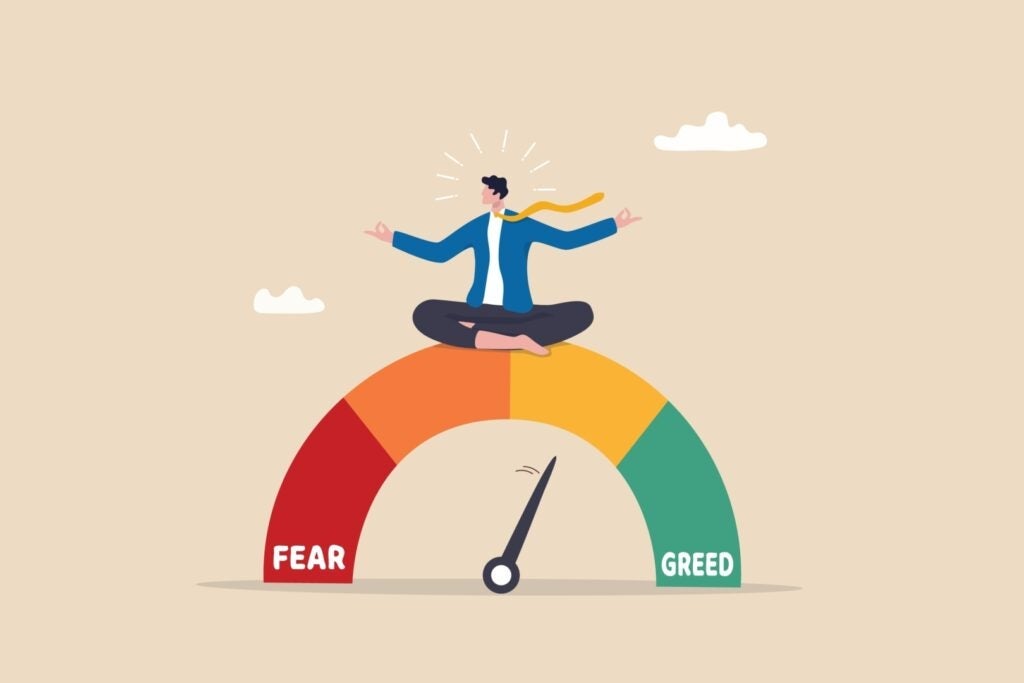
The Greed Index, developed by CNN Business, is a tool that gauges the emotions driving the market. It ranges from 0 to 100, with lower values indicating fear and higher values suggesting greed. As of 2024, the Greed Index remains firmly in the “fear” territory, hovering around 30. This apparent contradiction raises several questions:
- Why are investors fearful despite a booming market?
- What does this fear indicate about future market conditions?
Investor anxiety may stem from a variety of factors, including:
- Geopolitical Tensions: Ongoing global issues, such as trade tensions and conflicts, can lead to uncertainty and fear in the market.
- Inflation Concerns: Despite efforts to stabilize the economy, inflation remains a concern, which can erode purchasing power and affect consumption.
- Market Volatility: Rapid market fluctuations can create a sense of unease, causing investors to hesitate in making bold moves.
NVIDIA and Lifecore Biomedical: Leaders Amidst Contradiction
Two companies that exemplify the current market paradox are NVIDIA and Lifecore Biomedical. Both have made headlines recently, but their trajectories reflect different aspects of the market.
NVIDIA: A Beacon of Growth
NVIDIA has enjoyed unprecedented growth, particularly due to its position in the AI and gaming sectors. The company’s stock price has skyrocketed, leading many to view it as a bellwether for tech stocks. Key points include:
- AI Dominance: NVIDIA’s leadership in AI chip manufacturing has positioned it as a critical player in the tech industry, attracting significant investments.
- Strong Market Demand: The demand for graphics processing units (GPUs) continues to soar, as industries increasingly rely on advanced computing power.
While NVIDIA’s growth story contributes to the S&P 500’s success, it also exemplifies the risks inherent in a market that is heavily reliant on a few key players.
In contrast, Lifecore Biomedical, a company focused on regenerative medicine and bioprocessing solutions, has faced its own set of challenges. Although it operates in a promising sector, recent market trends have led to fluctuations in its stock price. Factors influencing Lifecore’s performance include:
- Regulatory Hurdles: Navigating the complex landscape of medical regulations can be daunting, impacting investor confidence.
- Market Competition: The biopharmaceutical industry is highly competitive, and emerging companies can quickly alter market dynamics.
While Lifecore’s challenges contribute to the overall anxiety reflected in the Greed Index, they also highlight the volatility present in niche markets.
Understanding the Paradox: Investor Behavior and Market Dynamics
So, what does this paradox tell us about investor behavior? Here are some insights:
- Selective Optimism: Many investors may feel optimistic about certain sectors, such as technology, while remaining cautious about broader market conditions.
- Risk Aversion: The lingering fear in the market suggests that many investors are unwilling to fully embrace risk, opting instead for a more conservative approach.
- Market Corrections: Historical trends indicate that markets often correct after significant gains, leading investors to hedge against potential downturns.
This complex interplay between rising stock prices and cautious sentiment underscores the need for a nuanced understanding of market dynamics. Investors should remain vigilant, recognizing that while the S&P 500 may be soaring, underlying anxieties can shape future performance.
In conclusion, the remarkable surge of the S&P 500 amidst a backdrop of investor fear encapsulates the complexities of the financial market. The juxtaposition of soaring stock prices and a cautious Greed Index invites investors to question their strategies and consider the broader implications of their decisions. Companies like NVIDIA and Lifecore Biomedical serve as critical case studies in understanding these dynamics. For investors, the key takeaway is to remain informed, adaptable, and aware of both the opportunities and challenges that lie ahead. As we proceed through 2024, the ability to navigate this paradox will be essential for achieving long-term success in the ever-evolving market landscape.
See more CNBC Network