Unpacking the Debate: Should Short Sellers Have Freedom of Speech in Stock Market Discourse?
The landscape of stock market discourse has always been dynamic, but recent events have propelled the conversation surrounding short selling into the spotlight. The ongoing discussion around short sellers and their right to express opinions without censorship is more pertinent than ever. This debate raises critical questions about the balance between freedom of speech and market integrity, particularly in the context of regulatory scrutiny from the SEC. As a prominent short seller advocates for the right to engage in these conversations, we must delve deeper into the implications of this issue.
The Role of Short Selling in the Market
Short selling involves borrowing shares of a stock to sell them at the current market price, hoping to repurchase them later at a lower price. This practice can serve multiple purposes:
- Market Efficiency: Short sellers often provide a counterbalance to overly optimistic valuations, helping to correct inflated stock prices.
- Liquidity: By increasing trading volume, short selling can enhance market liquidity.
- Risk Management: Investors use short selling as a hedge against potential losses in their portfolios.
However, while short selling can contribute positively to market dynamics, it often draws criticism. Detractors argue that short sellers can unduly influence stock prices by spreading negative information, or “short and distort” campaigns. This raises the question: should short sellers have the freedom to express their opinions in stock market discourse without facing repercussions?
The Right to Speak: A Double-Edged Sword
The First Amendment guarantees freedom of speech, but in the highly regulated environment of financial markets, this right becomes complex. Short sellers argue that their opinions should be protected as free speech, especially when they are providing information that could benefit other investors. They contend that their insights can help drive transparency and expose potential fraud.
However, the SEC and other regulatory bodies are tasked with maintaining market integrity. They monitor trading activities to prevent manipulation and protect investors from deceptive practices. This creates a tension between the right to free speech and the need for regulatory oversight.
Recent Developments in Short Selling Discourse
In recent months, a high-profile short seller has emerged as a vocal advocate for the rights of short sellers to participate in stock market discussions. This individual has been vocal about their experiences with censorship and the consequences of expressing bearish views on various platforms. Their stance has ignited a broader conversation about the implications of restricting speech in financial markets.
Social media platforms have become battlegrounds for these discussions, with various stakeholders weighing in. Some argue that short sellers should be able to express their opinions freely, as these discussions can lead to informed decision-making among investors. Others point to instances where false information has led to stock volatility, suggesting that some regulation is necessary to protect investors.
The SEC’s Role: Balancing Act
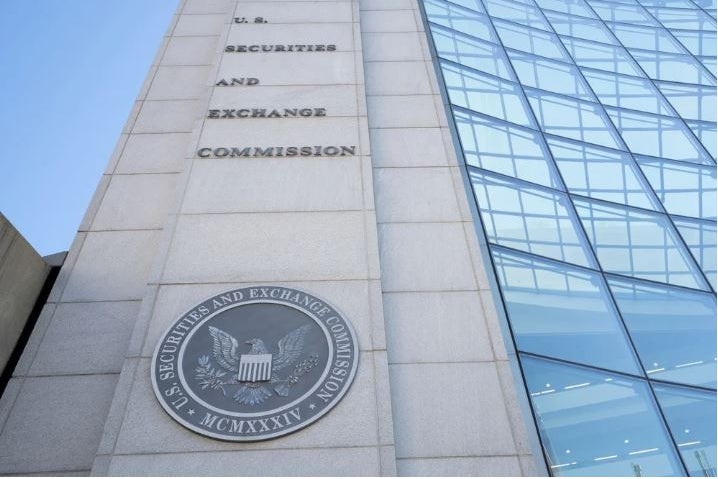
The Securities and Exchange Commission (SEC) plays a crucial role in overseeing market activities, including short selling. They have established rules to prevent market manipulation, such as Regulation Fair Disclosure (Reg FD), which mandates that publicly traded companies disclose material information to all investors simultaneously.
In this regulatory environment, the SEC must strike a balance. On one hand, they must protect investors from misinformation and market manipulation. On the other hand, they must ensure that legitimate short sellers are not penalized for expressing their views. This task is complicated by the rapid evolution of technology and the rise of social media, where information (and misinformation) spreads at lightning speed.
The Case for Freedom of Speech in Stock Market Discourse
Advocates for short sellers’ freedom of speech argue that allowing open discourse can lead to several benefits:
- Enhanced Transparency: Open discussions can shed light on potential issues within companies, leading to more informed investing.
- Market Correction: When short sellers highlight overvalued stocks, it can prompt necessary corrections in the market.
- Investor Education: Engaging in discussions allows investors to learn from different perspectives and make better decisions.
Moreover, proponents assert that restricting short sellers from expressing their views could create an environment where only bullish opinions dominate, undermining the principle of a free market.
Counterarguments: The Risks of Unchecked Speech
While the arguments for short sellers’ freedom of speech are compelling, there are also significant concerns. Critics warn that allowing unregulated discourse can lead to:
- Market Manipulation: Unscrupulous individuals could exploit the freedom to spread false information for personal gain.
- Investor Harm: Retail investors, who may lack the resources to discern credible information, could be misled by sensational short-selling narratives.
- Volatility: Misinformation can exacerbate stock volatility, creating instability in the market.
Given these potential risks, it is essential to find a way to allow short sellers to express their views while protecting the integrity of the market.
Finding Common Ground: Possible Solutions
To navigate the complexities of free speech in stock market discourse, stakeholders may need to consider a collaborative approach that respects both the rights of short sellers and the need for market integrity. Some potential solutions include:
- Clear Guidelines: Establishing guidelines for what constitutes acceptable discourse can help delineate between legitimate criticism and market manipulation.
- Enhanced Regulatory Framework: The SEC could develop a framework that encourages transparency while protecting investors from harmful misinformation.
- Investor Education: Promoting financial literacy can empower investors to discern credible information from harmful speculation.
By fostering an environment that encourages open dialogue while safeguarding against manipulation, the market can benefit from the diverse perspectives that short sellers bring to the table.
Conclusion: The Future of Short Selling Discourse
The debate over whether short sellers should have freedom of speech in stock market discourse is far from settled. As regulatory scrutiny from the SEC continues, it is clear that a thoughtful approach is needed to balance the rights of short sellers with the need for market integrity. The ongoing discussions surrounding this issue highlight the importance of transparency, investor protection, and the critical role that diverse perspectives play in a healthy market. As we move forward, it will be essential to continue this dialogue and seek solutions that benefit all stakeholders involved.
See more CNBC Network