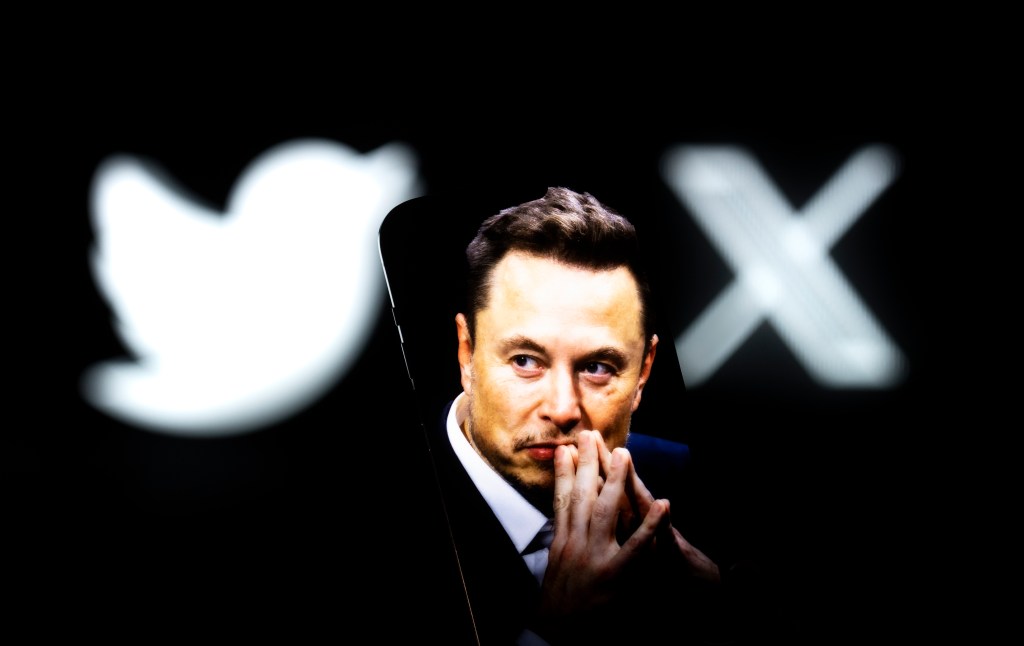
SEC’s Bold Move: Elon Musk Accused of Profiting from Delayed Twitter Investment Disclosure
The U.S. Securities and Exchange Commission (SEC) has taken a substantial step by launching a legal action against billionaire entrepreneur Elon Musk. This accusation centers on allegations that Musk unlawfully profited from a delay in disclosing his initial investment in Twitter. The implications of this case extend beyond Musk himself, bringing to light critical issues surrounding transparency and accountability in corporate governance. As the legal process unfolds, it raises important questions about the responsibilities of high-profile investors and the potential ramifications for the broader investment community.
Understanding the Allegations Against Musk
The SEC’s case against Musk hinges on the assertion that he failed to disclose his 5% stake in Twitter within the mandated timeframe. According to federal securities laws, investors are required to report their holdings once they exceed a certain threshold, ensuring that the market remains informed about significant shareholders and their potential influence on a company.
In Musk’s case, it is alleged that he acquired this stake in early 2022 but did not disclose it until April of that year. By delaying this disclosure, he may have been able to take advantage of fluctuations in Twitter’s stock price, thus profiting from trades he executed before the market was aware of his investment. This raises the question: did Musk’s actions constitute a breach of fiduciary duty, and what are the implications for investor trust?
The Legal Framework
The legal framework governing securities transactions is designed to promote fairness and transparency in the market. The SEC exists to protect investors, maintain fair, orderly, and efficient markets, and facilitate capital formation. When high-profile investors like Musk are involved, the stakes are particularly high.
- Disclosure Requirements: Investors must report their holdings to the SEC within a specified time frame—typically within 10 days of exceeding the 5% ownership threshold.
- Market Impact: Late disclosures can lead to imbalances in the market, as other investors may make decisions based on incomplete information.
- Enforcement Actions: The SEC has the authority to impose penalties, including fines and restrictions on trading activities for violations of securities laws.
The Broader Implications for Corporate Governance
This case against Musk is not just about his personal conduct; it also has wider implications for corporate governance and the responsibilities of influential investors. The SEC’s actions serve as a reminder that transparency is paramount in maintaining trust within the financial markets.
Investor Trust and Market Dynamics
Investor trust is the cornerstone of a healthy market. When prominent figures like Musk are perceived to act outside of established norms, it can lead to skepticism and reduced confidence among smaller investors. This erosion of trust can have cascading effects on market dynamics, influencing everything from stock prices to investment strategies.
Moreover, the Musk case highlights the critical balance between entrepreneurial freedom and the responsibilities that come with significant financial power. While high-profile investors often drive innovation and growth, their actions must align with regulatory standards to ensure a level playing field.
The Role of the SEC
The SEC’s intervention in this matter reaffirms its commitment to enforcing securities laws and holding individuals accountable, regardless of their wealth or status. This case is an important reminder that the rules apply equally to all market participants. By pursuing this action, the SEC aims to deter similar behavior in the future and reinforce the importance of timely disclosures.
Potential Consequences for Musk and Beyond
If the SEC’s allegations are proven, Musk could face significant consequences. These may include:
- Financial Penalties: Musk could be subject to hefty fines, which could serve as a warning to other investors.
- Increased Scrutiny: Musk’s future investment activities may be more closely monitored, limiting his ability to operate with the same level of freedom.
- Reputation Damage: The public perception of Musk could be adversely affected, impacting his businesses and ventures.
The Ripple Effect on Other Investors
The case also serves as a cautionary tale for other high-profile investors. With increased scrutiny from regulators, investors may need to reassess their approach to disclosures and compliance. The potential for reputational damage and financial penalties could encourage more cautious behavior, fostering a culture of transparency in the investment community.
Conclusion: A Call for Transparency
The SEC’s legal action against Elon Musk over his delayed Twitter investment disclosure underscores the ongoing importance of transparency and accountability in corporate governance. As the case unfolds, it will be crucial for stakeholders to pay attention not only to the specifics of Musk’s situation but also to the broader implications for the investment landscape.
Ultimately, this case serves as a reminder that in the world of finance, honesty and disclosure should always take precedence. For investors, both big and small, this is an opportunity to advocate for higher standards of transparency, encouraging a market environment where trust can flourish. As the SEC continues to navigate the complexities of the financial markets, it is vital for all investors to remain vigilant, informed, and committed to ethical practices.
See more CNBC Network