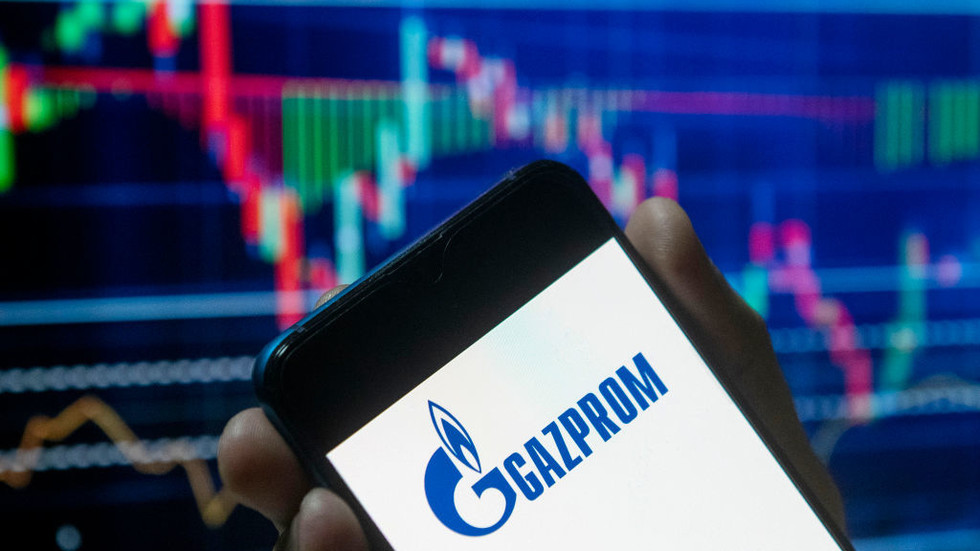
Understanding the Decline of Russia’s Gas Giant: Key Factors and Implications
The recent plunge in shares of Russia’s leading gas company has raised alarms among investors, analysts, and policymakers alike. As share prices tumble to lows reminiscent of the financial crisis of 2009, the broader implications for the energy sector and global markets are coming into sharp focus. This article delves into the multifaceted reasons behind this decline, the potential impact on the energy market, and the wider geopolitical ramifications.
Factors Behind the Decline
Several interconnected factors have contributed to the significant downturn in the stock of Russia’s gas giant. These include geopolitical tensions, economic sanctions, fluctuating demand, and a pivot towards renewable energy sources.
Geopolitical Tensions and Sanctions
The ongoing geopolitical tensions stemming from Russia’s foreign policies have significantly affected its energy market. Following the annexation of Crimea in 2014, Western nations imposed a series of economic sanctions targeting Russia’s energy sector. These sanctions have continued to evolve, especially in light of Russia’s actions in Ukraine and its military engagements in other regions. The result has been a constricted market access for Russian gas exports, which is a primary revenue source for the company.
Fluctuating Global Demand
Another critical factor affecting the share price is the fluctuation in global gas demand. The COVID-19 pandemic caused a seismic shift in energy consumption patterns, leading to a temporary drop in demand for fossil fuels. Although demand has rebounded in some regions, the global push for greener energy solutions has led to a long-term decline in reliance on gas. The European Union, for instance, has been aggressively pursuing policies aimed at reducing dependence on Russian energy supplies and increasing investments in renewable energy sources.
Market Competition and Price Wars
Competition in the global energy market has intensified, especially from liquefied natural gas (LNG) suppliers from the United States, Qatar, and Australia. These countries have significantly increased their production capacities, which has led to a surplus in the global market. As a result, prices have been driven down, further straining the profitability of the Russian gas sector. The combination of reduced demand and increased competition has created a challenging environment for Russia’s gas giant.
Broader Implications for the Energy Sector
The decline in Russia’s gas giant shares is not just a localized issue; it reverberates throughout the global energy sector. The implications are manifold:
- Increased Volatility: The instability of one of the world’s largest energy producers can lead to increased volatility in energy prices globally. Investors are likely to react to the uncertainty, affecting market stability.
- Investment Shifts: Investors may begin to reallocate funds towards companies that are more aligned with the transition to renewable energy, potentially leading to a further decline in fossil fuel investments.
- Energy Security Concerns: Countries dependent on Russian gas may reconsider their energy security strategies, prompting them to seek alternative suppliers or invest in domestic energy production.
The Renewable Energy Transition
The global energy landscape is shifting towards sustainability, and this transition poses both challenges and opportunities for traditional energy companies, including Russia’s gas giant. The growing emphasis on renewable energy is reshaping the market dynamics:
Investment in Renewables
As countries commit to achieving net-zero emissions, investments in renewable energy technologies are accelerating. Major energy companies around the world are diversifying their portfolios to include wind, solar, and other renewable sources. For Russia’s gas giant, the challenge lies in adapting to this transition while maintaining profitability in its existing operations.
Technological Advancements
Technological advancements in energy efficiency and carbon capture are crucial for fossil fuel companies aiming to remain relevant. By investing in innovative technologies, Russia’s gas giant could potentially mitigate some negative impacts of declining demand and regulatory pressures.
Future Outlook and Strategic Considerations
Looking ahead, the future of Russia’s gas giant will depend on its ability to navigate the complex interplay of domestic challenges and international market dynamics. The company’s strategic considerations may include:
- Diversification: Expanding into renewable energy and exploring alternative markets could provide new revenue streams and reduce dependency on traditional gas exports.
- Strengthening Domestic Demand: The company may need to focus on the domestic market, where demand for gas can be bolstered through government support and infrastructure development.
- Geopolitical Engagement: Engaging in diplomatic efforts to alleviate sanctions and improve relations with Western countries could enhance market access and stabilize revenues.
Conclusion
The recent plunge in shares of Russia’s leading gas company reflects a convergence of geopolitical, economic, and market forces that are reshaping the energy landscape. As the company grapples with these challenges, the implications for the global energy sector are profound. The transition towards renewable energy sources poses both risks and opportunities, compelling traditional energy giants to adapt or risk obsolescence. The road ahead will require strategic foresight, adaptability, and a willingness to embrace change in an increasingly uncertain world.
See more CNBC Network