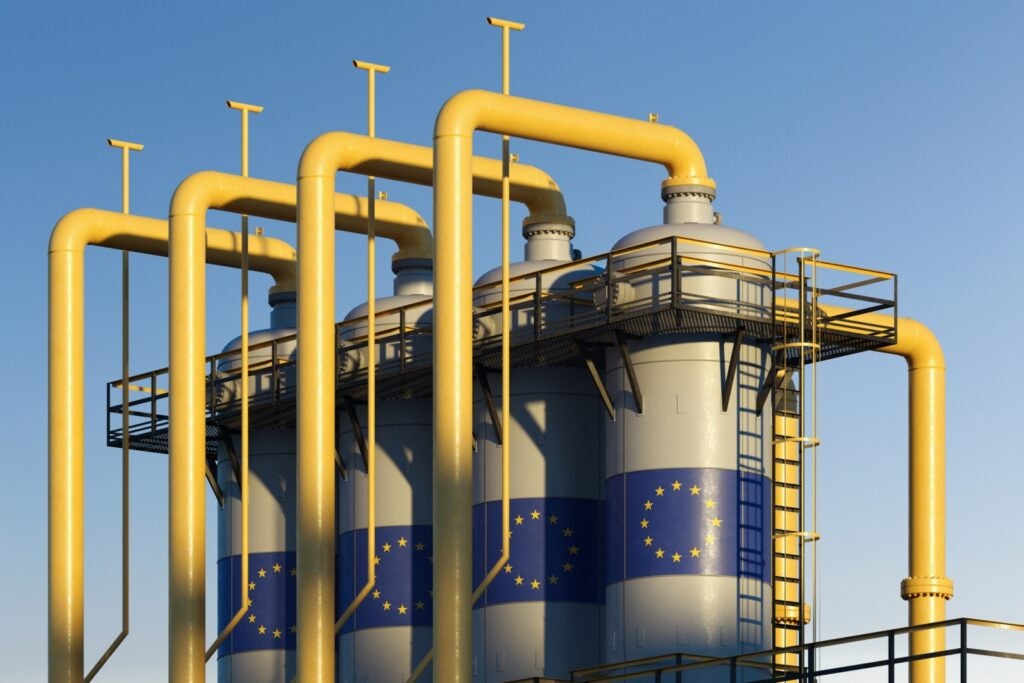
Global Markets in Flux: Natural Gas Surges While Dollar Stabilizes Overnight
As the world turned in for the night, a startling shift occurred in global markets. Natural gas prices surged by a staggering 8%, sending ripples through Asian and European trading floors. This sudden spike has left investors grappling with its implications while the U.S. dollar showed signs of relative stabilization. With the complexities of these developments unfolding, it is crucial to analyze the factors at play and what they mean for future trading strategies.
The Surge in Natural Gas Prices
The dramatic rise in natural gas prices can be attributed to several interrelated factors. Firstly, the ongoing geopolitical tensions, particularly in Europe, have created a precarious energy landscape. The reliance of many European countries on natural gas imports, especially from Russia, has made the market particularly sensitive to any disruptions.
In recent weeks, concerns over supply shortages due to maintenance issues in major production facilities have compounded these worries. As colder weather approaches, the demand for heating fuels like natural gas typically rises, intensifying competition for available supplies. This surge in demand, coupled with reduced supply, has resulted in significant price hikes.
- Geopolitical tensions: Ongoing conflicts and sanctions affecting energy exports.
- Seasonal demand: Anticipated colder temperatures increasing heating fuel usage.
- Supply chain issues: Maintenance and operational disruptions in key production regions.
Market Reactions Across Continents
The immediate effects of the natural gas surge were felt acutely in Asian and European markets. In Asia, countries heavily dependent on energy imports faced immediate challenges, as rising prices could lead to increased costs for consumers and businesses alike. This spike has the potential to influence inflation rates, pressing central banks to reconsider their monetary policies.
European markets, already reeling from the energy crisis, witnessed a mixed response. While some energy companies saw their stocks soar in value, sectors reliant on affordable energy, such as manufacturing and transportation, began to express concern over rising operational costs.
The U.S. Dollar’s Stabilization
As natural gas prices soared, the U.S. dollar exhibited signs of stabilization. After a period of volatility, the greenback seemed to find its footing as investors assessed the implications of both domestic economic indicators and international market dynamics.
Several factors contributed to this stabilization:
- Interest rates: The Federal Reserve’s ongoing commitment to controlling inflation through monetary policy has provided a sense of security for dollar investors.
- Economic resilience: Positive indicators from the U.S. labor market and consumer spending have bolstered confidence in the dollar’s strength.
- Safe-haven demand: In times of market uncertainty, the dollar often benefits from its status as a safe-haven asset, attracting investors seeking stability.
Implications for Investors
The current state of global markets presents both challenges and opportunities for investors. With natural gas prices on the rise, sectors closely tied to energy are likely to see increased volatility. Investors in energy stocks may find themselves in a favorable position, but they must remain vigilant about potential market corrections.
Conversely, sectors that rely heavily on energy inputs may face squeezed margins, leading to cautious investment strategies. Companies in manufacturing, transportation, and other energy-intensive industries may need to adapt quickly to changing market conditions.
Long-Term Perspectives on Natural Gas and Currency Markets
As we look toward the future, several key trends may shape the landscape of natural gas and currency markets:
- Transition to renewable energy: The global push for cleaner energy sources might eventually lessen the dependency on natural gas. However, this transition will take time, and natural gas is likely to remain a crucial part of the energy mix in the near term.
- Regulatory changes: Governments worldwide are increasingly focused on energy security and sustainability, which could lead to new regulations affecting natural gas production, pricing, and consumption.
- Global economic recovery: As economies recover from the pandemic, demand for energy is expected to rise, potentially keeping pressure on natural gas prices.
In summary, the recent surge in natural gas prices and the stabilization of the U.S. dollar highlight the complexities of the current global market. For investors, understanding the underlying factors driving these changes is essential for developing effective trading strategies.
While the volatility in energy markets can present significant risks, it also offers opportunities for those willing to adapt. As we move forward, staying informed and agile will be key to navigating this ever-changing landscape.
Ultimately, the interplay between natural gas prices and currency values underscores the interconnectedness of global markets, reminding us that economic events in one part of the world can have far-reaching implications elsewhere. Investors must remain vigilant and prepared to respond to new developments as they arise.
See more CNBC Network