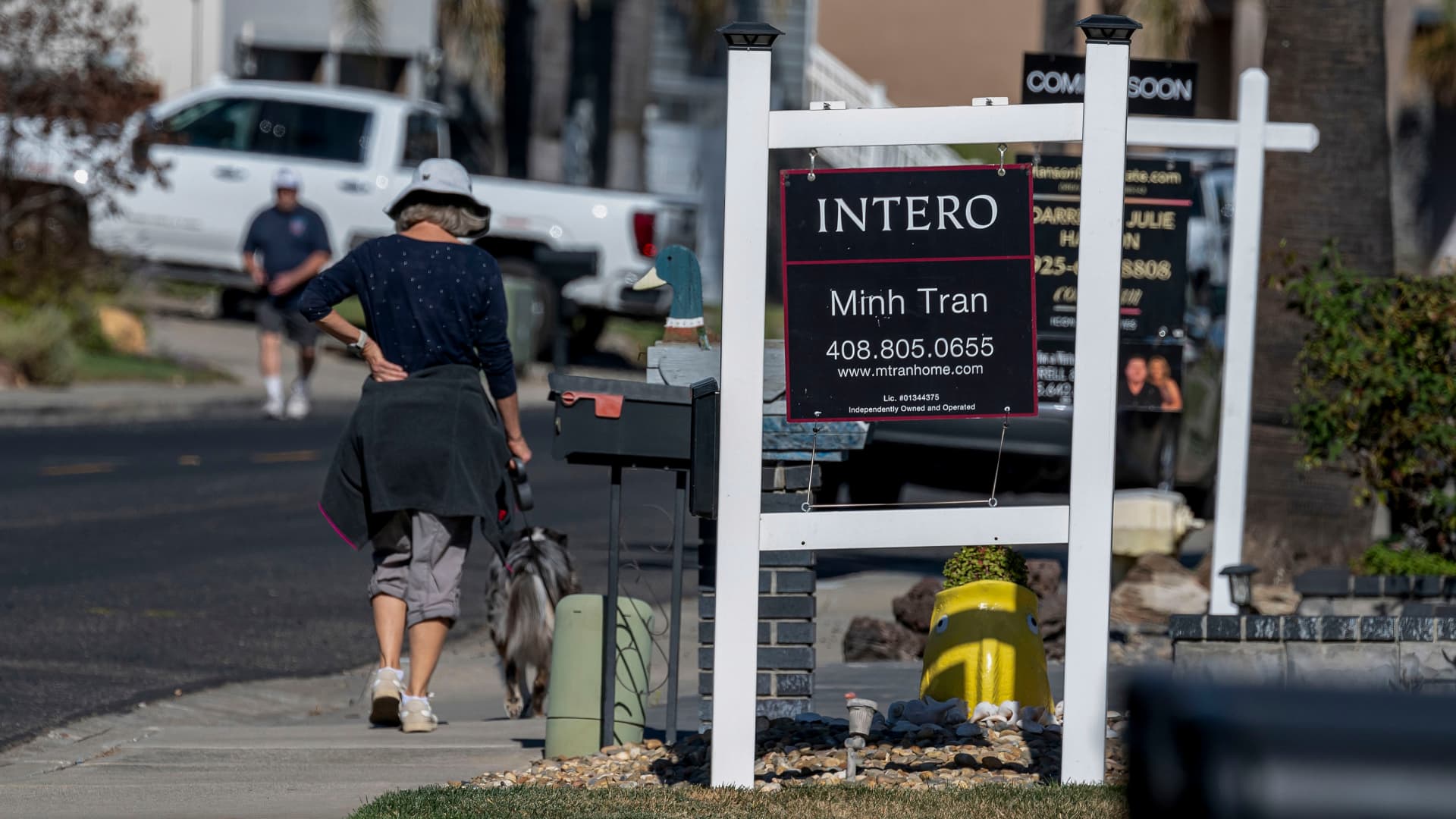
Mortgage Rates Surge to Highest Level Since July: Understanding the Impact on Homebuyers
As mortgage rates surge to their highest level since July, potential homebuyers are grappling with a new reality in the housing market. This increase not only affects the affordability of homes but also reshapes the landscape of mortgage applications and home-buying strategies. In this article, we’ll explore what this surge means for buyers, the factors driving these changes, and how prospective homeowners can navigate this challenging environment.
What’s Behind the Surge in Mortgage Rates?
Mortgage rates often fluctuate based on a variety of economic indicators, and the recent rise can be attributed to several key factors:
- Inflation Concerns: Persistent inflation has led to increased costs across the board, compelling the Federal Reserve to adjust interest rates. When the Fed raises interest rates, mortgage rates typically follow suit.
- Economic Recovery: As the economy continues to recover post-pandemic, stronger consumer spending and business investment have contributed to rising rates.
- Supply Chain Disruptions: Ongoing supply chain issues have resulted in higher construction costs, which further complicates the housing market and drives up mortgage rates.
The culmination of these factors means that mortgage rates are not just numbers; they represent the broader economic environment and its influence on homeownership.
Current Trends in Mortgage Applications
The surge in mortgage rates has led to a notable decline in application demand. According to the Mortgage Bankers Association, applications have dropped significantly as potential buyers reassess their financial capabilities in light of these new rates. Here’s what the current trends indicate:
- Decrease in Refinancing: With rates climbing, many existing homeowners are opting not to refinance their mortgages, fearing they may not secure a better deal than their current fixed rates.
- First-Time Homebuyers Hit Hardest: New buyers, often with tighter budgets, are feeling the pinch more acutely. As monthly payments rise, many are pushed out of the market.
- Shift in Buyer Preferences: Buyers are becoming more selective, often prioritizing affordability over features. Properties priced within a more manageable range are experiencing heightened interest.
What This Means for Homebuyers
For potential homebuyers, the surge in mortgage rates presents both challenges and opportunities. Understanding how to navigate this landscape can make a significant difference in achieving homeownership goals.
Challenges Facing Homebuyers
The most immediate concern for homebuyers is the increased cost of borrowing. Here are some specific challenges:
- Higher Monthly Payments: An increase in mortgage rates directly translates to higher monthly payments. For instance, a 1% increase on a $300,000 loan could raise payments by several hundred dollars.
- Decreased Purchasing Power: As rates rise, the maximum loan amount that buyers can afford decreases, which may force them to consider less desirable properties or locations.
- Increased Competition for Affordable Homes: With fewer buyers able to afford higher rates, those seeking affordable options may face stiff competition, driving prices up even further.
Opportunities for Savvy Buyers
Despite these challenges, there are opportunities for informed buyers:
- Negotiation Leverage: In a cooling market, buyers may find they have more leverage to negotiate prices or request repairs and concessions from sellers.
- Long-Term Investment: For those who can afford the increased payments, buying a home now could be advantageous if rates continue to rise. Locking in a mortgage at today’s rates may be preferable to waiting for a potential increase.
- Exploring Alternative Financing Options: Some buyers may consider adjustable-rate mortgages (ARMs) or government-backed loans, which can offer lower initial rates.
Strategies for Potential Homebuyers
With mortgage rates at their highest since July, potential homebuyers should consider several strategies to enhance their chances of success:
1. Assess Your Financial Situation
Before diving into the housing market, it’s crucial to evaluate your financial health. Consider your budget, savings for a down payment, and overall creditworthiness. A higher credit score can help secure better rates, even in a challenging environment.
2. Get Pre-Approved
Obtaining a mortgage pre-approval can give you a clearer picture of what you can afford and strengthen your position when making an offer. It shows sellers you’re a serious buyer and can expedite the purchasing process.
3. Stay Informed About Market Trends
Knowledge is power. Keep an eye on economic trends, housing inventory, and mortgage rates. Being informed will help you make timely decisions and spot good opportunities when they arise.
4. Consider Less Conventional Options
If traditional financing seems out of reach, consider exploring alternative housing options such as co-buying with family or friends, or looking into properties that need renovation, which may come at a lower price point.
Conclusion
The surge in mortgage rates to their highest level since July signifies a pivotal moment for homebuyers. While the challenges are substantial, understanding the underlying factors and adapting strategies accordingly can empower buyers to navigate this evolving market. By being proactive, informed, and strategic, prospective homeowners can turn the current situation into an opportunity rather than a setback.
As we move forward, the housing market will continue to evolve, and those who stay informed and prepared will be best positioned to make their homeownership dreams a reality.
See more CNBC Network