Market Resurgence: How Eased Price Pressures are Shaping Investments
In recent months, the financial landscape has experienced a notable shift as easing inflationary pressures have sparked a rally in both stocks and bonds. Investors are now navigating a complex environment where economic indicators are changing, prompting a reevaluation of investment strategies. This article delves into how these evolving conditions are reshaping the market and influencing investment decisions.
The Current Economic Climate
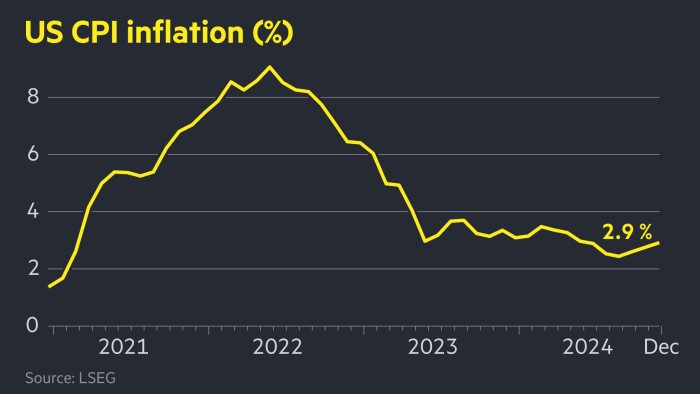
The U.S. economy has been grappling with inflation for the past couple of years, with prices soaring across various sectors, from groceries to housing. The Federal Reserve implemented aggressive interest rate hikes in response, aiming to cool down the economy and stabilize prices. However, recent data suggests that inflation is beginning to ease, leading to a resurgence in market confidence.
According to the latest reports from the Bureau of Labor Statistics, the Consumer Price Index (CPI) has shown signs of moderation, indicating that the relentless upward pressure on prices may be subsiding. As inflation rates begin to stabilize, the Federal Reserve has signaled a potential pause in rate hikes, providing a more conducive environment for investments.
Impact on Stock Markets
The easing of price pressures has significantly impacted stock markets, leading to a rally that has caught the attention of investors worldwide. The S&P 500, a key benchmark for U.S. equities, has seen a substantial uptick, buoyed by positive earnings reports and improved economic outlooks.
Investor Sentiment and Market Confidence
As inflation fears dissipate, investor sentiment has shifted towards optimism. Many have resumed buying stocks, believing that the potential for steady growth is on the horizon. This renewed confidence can be attributed to several factors:
- Improved Earnings Reports: Many companies have reported better-than-expected earnings, which has led to increased stock prices.
- Sector Rotation: Investors are reallocating their portfolios, moving funds from defensive sectors to growth-oriented sectors, such as technology and consumer discretionary.
- Lower Volatility: As inflation fears ease, market volatility has decreased, making equities more appealing to investors.
Long-Term Growth Prospects
With easing inflation, long-term growth prospects for many companies appear brighter. Industries that were previously constrained by rising costs are now able to invest in innovation and expansion without the overhang of inflationary pressures. This shift not only supports stock prices but also enhances the overall economic outlook.
The Bond Market and Interest Rates
The bond market is also experiencing a resurgence as eased price pressures influence interest rates. With inflation stabilizing, yields on U.S. Treasury bonds have seen a decline, making them more attractive to investors seeking safer assets.
Investment Strategies in a Changing Environment
As the market landscape evolves, investors are adapting their strategies to align with the new economic realities. Here are several investment strategies that may prove beneficial in light of the current market conditions:
- Diversification: Spreading investments across various asset classes can help mitigate risks associated with market fluctuations.
- Quality Stocks: Focusing on companies with strong balance sheets and consistent earnings can provide stability in uncertain times.
- Fixed Income Investments: As yields decline, investors may look for opportunities in corporate bonds, which can offer better returns compared to government securities.
- Sector Focus: Being selective about sectors poised for growth, such as technology and green energy, can yield significant returns.
Global Considerations
The trend of easing price pressures is not isolated to the U.S. As central banks worldwide adopt similar approaches to combat inflation, global markets may also see a resurgence. For instance, the European Central Bank (ECB) and the Bank of England have been closely monitoring inflation and may follow suit in adjusting their monetary policies.
Investors should consider how global economic conditions influence domestic markets. Factors such as geopolitical tensions, supply chain disruptions, and international trade policies can have far-reaching impacts on investment strategies. Being aware of these global dynamics is crucial for making informed decisions.
The Future of Investments
Looking ahead, the future of investments in a post-inflationary environment holds both challenges and opportunities. While the easing of price pressures is a positive development, investors must remain vigilant as economic indicators continue to evolve.
Monitoring Economic Indicators
Investors should keep a close eye on key economic indicators, such as:
- Employment Rates: The job market’s strength can influence consumer spending and economic growth.
- Consumer Confidence Index: A strong consumer sentiment often leads to increased spending, benefiting various sectors.
- Global Economic Trends: Understanding international markets and their impact on the U.S. economy is essential for making strategic investment choices.
Embracing Flexibility
In a rapidly changing economic landscape, flexibility is vital. Investors may need to adapt their strategies based on new data and trends. Those willing to pivot can uncover unique opportunities that arise in fluctuating markets.
Conclusion
The recent rally in stocks and bonds, fueled by easing inflationary pressures, marks a significant turning point for investors. While the future remains uncertain, the current climate presents a myriad of opportunities for those prepared to navigate the evolving market landscape. By staying informed, diversifying portfolios, and monitoring key economic indicators, investors can position themselves for success in this new era of market resurgence.
In summary, as the financial world adjusts to the realities of a changing economy, the emphasis on smart, strategic investments will be paramount. With a proactive approach, investors can not only weather potential storms but thrive amidst shifting economic winds.
See more CNBC Network