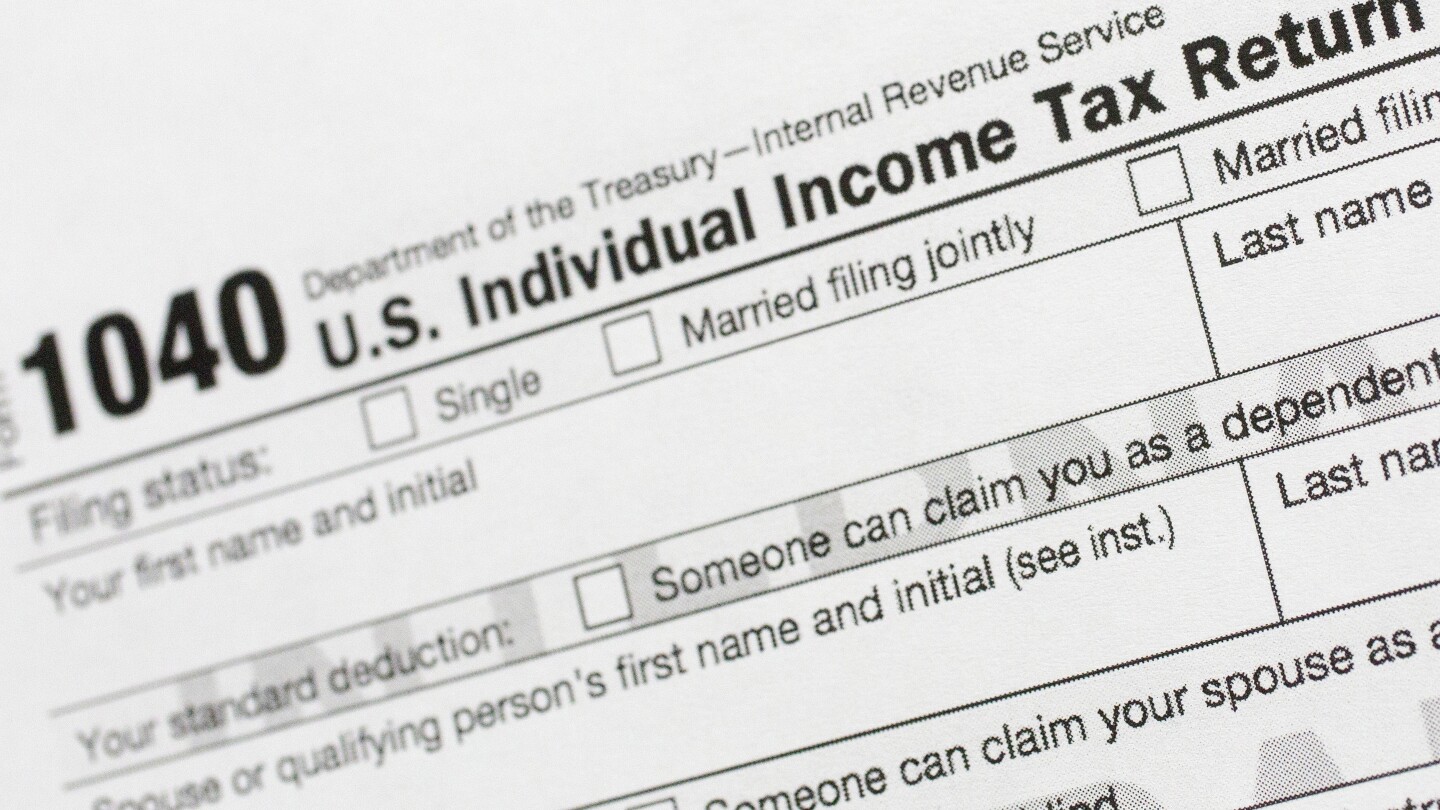
Mark Your Calendars: IRS Sets January 27 as the Kickoff for 2025 Tax Season
The IRS has officially announced January 27 as the opening date for the 2025 tax season, prompting taxpayers to prepare for filing their returns. As we approach this significant date, it’s essential to understand what it means for you and your tax obligations. This year’s tax season could bring changes and new regulations that may affect how you file your taxes. Below, we’ll delve into what you need to know, including important deadlines, potential changes, and tips for a smooth filing experience.
Understanding the Importance of the Tax Season Opening Date
The announcement of January 27 as the kickoff for the 2025 tax season marks the beginning of a critical period for millions of Americans. This date is not just arbitrary; it’s a calculated decision by the IRS, aimed at ensuring that all systems are in place to handle the influx of tax returns. The IRS typically conducts extensive testing of its systems prior to this launch to ensure efficiency and security. By marking your calendar, you can prepare adequately and avoid the last-minute rush.
What to Expect This Tax Season
With the IRS setting a clear start date, it’s time to consider what changes and updates you might encounter during the 2025 tax season. Here are some aspects to keep an eye on:
- New Tax Laws: Tax laws can change, and each year may bring new regulations. It’s vital to stay informed about any updates that could impact your tax situation.
- Filing Options: As always, taxpayers will have multiple options for filing their returns—whether through traditional methods, online platforms, or utilizing a tax professional.
- Refund Timeline: Knowing how long it typically takes to receive a refund can help you plan. Generally, the IRS aims to issue refunds within 21 days of receiving a return.
- Tax Credits and Deductions: Be aware of any changes to tax credits and deductions. These can significantly affect your refund or tax liability.
Preparing for the 2025 Tax Season
Preparation is key to a hassle-free tax season. Here are some steps you can take to get ready:
- Gather Your Documents: Start collecting necessary documents, including W-2s, 1099s, and any receipts for deductions you plan to claim. Having everything organized will save time when filing.
- Review Last Year’s Return: Look over your previous year’s tax return for any carry-forwards or credits that you may still be eligible for.
- Check for Changes in Your Financial Situation: Any significant life changes—like marriage, divorce, or a new job—can impact your tax filing. Assess how these changes will affect your tax situation.
- Consider Professional Help: If your tax situation is complex, it might be wise to consult a tax professional. They can provide personalized guidance and help you navigate new regulations.
Potential Changes in Tax Regulations
The landscape of tax regulations is continually evolving. As we head into the 2025 tax season, consider the following potential changes:
- Increased Standard Deduction: The IRS frequently adjusts the standard deduction to keep pace with inflation. Check for the latest figures as they can influence your tax strategy.
- Tax Credits for Families: There may be new or extended tax credits aimed at supporting families and children, which can provide significant savings for eligible taxpayers.
- Changes in Retirement Contributions: Contribution limits for retirement accounts such as IRAs and 401(k)s often change annually; staying informed can maximize your retirement savings.
Key Tax Dates to Remember
Besides the kickoff date of January 27, here are some other important deadlines and dates to keep in mind:
- January 31: Deadline for employers to send out W-2s and 1099 forms.
- April 15: The official tax filing deadline. Ensure your return is filed or an extension is submitted by this date.
- October 15: If you filed for an extension, this is the final deadline for submitting your tax return.
Tips for a Smooth Filing Experience
To ensure that your filing experience is smooth and efficient, consider these practical tips:
- File Early: The earlier you file, the better. This not only reduces stress but also helps avoid potential delays in refunds.
- Use E-File: E-filing is typically faster and more secure than mailing paper returns. Plus, it often results in quicker refunds.
- Stay Informed: Regularly check the IRS website for updates on tax laws and filing procedures. Being proactive can save you time and hassle.
- Double-Check Your Work: Mistakes can lead to delays or audits. Review your return carefully before submitting it.
Conclusion
Marking your calendars for January 27 as the kickoff for the 2025 tax season is just the first step in a successful filing process. As new regulations and potential changes loom on the horizon, staying informed and prepared will help you navigate this season with confidence. Whether you choose to file on your own or seek professional assistance, understanding the key components of the tax season can enhance your experience and ensure compliance with federal regulations. Prepare now, and you’ll be ready to tackle your taxes as soon as the doors open!
See more CNBC Network