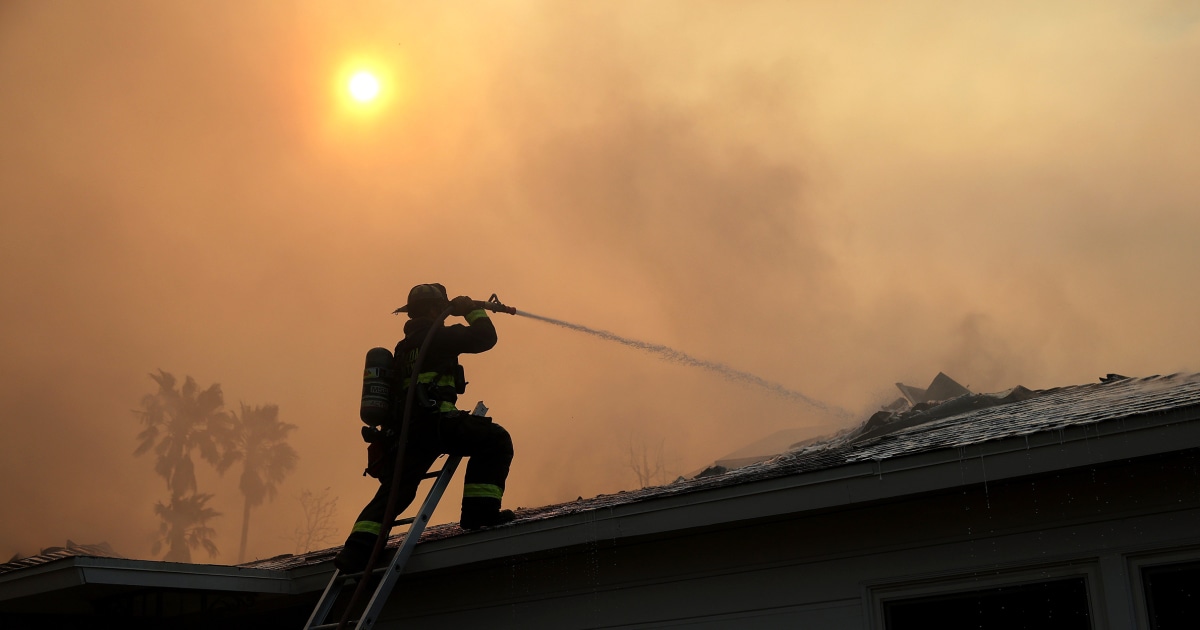
In the aftermath of the recent wildfires that have swept through Los Angeles, many residents are left grappling with the emotional and financial toll of losing their homes and belongings. As L.A. fire victims face the daunting task of filing insurance claims, it’s crucial to approach this process with a well-informed strategy. Experts advise treating the insurance claims process like a business transaction, a perspective that can help ensure fair compensation and a smoother recovery journey.
Understanding Your Insurance Policy
The first step in navigating the insurance maze is to thoroughly understand your insurance policy. Many homeowners and renters may not fully grasp the specifics of their coverage until disaster strikes. Here are some key aspects to consider:
- Types of Coverage: Most policies include coverage for dwelling, personal property, and additional living expenses. Ensure you know what is included and what might be excluded.
- Replacement Cost vs. Actual Cash Value: Policies may offer different types of reimbursement. Replacement cost means you’ll get enough money to replace your items at today’s prices, while actual cash value takes depreciation into account.
- Deductibles: Understand how much you’ll need to pay out of pocket before your insurance kicks in. This can significantly affect your recovery process.
Having a clear understanding of your coverage will empower you to make informed decisions as you file your claim.
Documenting Your Losses
Another crucial step in the claims process is to document your losses meticulously. This is where treating the process like a business transaction comes into play. Keep in mind the following:
- Take Photos: Capture images of your damaged property and possessions. Visual evidence can be vital in supporting your claim.
- Create an Inventory: List all items that were lost or damaged. Include details such as purchase dates, costs, and receipts if available.
- Gather Supporting Documentation: If you have expenses related to temporary housing or other living costs due to the fire, keep all relevant bills and receipts.
Having organized and detailed documentation can significantly strengthen your claim, making it easier for the insurance adjuster to assess your losses.
Filing Your Claim
Once you’ve documented your losses, it’s time to file your claim. Here are some steps to follow:
- Contact Your Insurance Company: Notify them as soon as possible about your loss. Most companies have a time limit for filing claims.
- Submit Your Claim: Provide all necessary documentation, including your inventory, photographs, and any other evidence of loss.
- Follow Up: After submitting your claim, don’t hesitate to follow up with your insurance company to ensure they have all the information they need.
Being proactive in your communication will help keep the process moving forward.
Understanding the Adjuster’s Role
Insurance adjusters play a crucial role in assessing claims, and understanding their responsibilities can help you navigate the maze more effectively. Here’s what to expect:
- Inspection of Damages: An adjuster will likely visit your property to assess the damages firsthand. Be prepared to show them all affected areas.
- Assessment of Losses: They’ll evaluate the extent of your losses and determine what your policy covers. This is where your detailed documentation will be invaluable.
- Negotiation: Once the adjuster submits their report, there may be a negotiation phase regarding the compensation amount. Having clear, organized evidence will support your case.
Establishing a good rapport with your adjuster can also help facilitate the process. Remember, they are there to help, but they are also working for the insurance company.
Appealing a Denied Claim
Despite your best efforts, sometimes claims get denied. If this happens, don’t lose hope. Here’s how to approach an appeal:
- Request a Written Explanation: Ask the insurance company for a detailed explanation of why your claim was denied.
- Gather Additional Evidence: If you believe your claim has merit, collect further evidence or documentation that supports your case.
- File an Appeal: Most insurance companies have a formal process for appeals. Follow their instructions carefully and submit your appeal in a timely manner.
- Consider Legal Assistance: If your appeal is unsuccessful, you may want to consult with an attorney who specializes in insurance claims.
Being persistent and well-prepared can often lead to a favorable outcome.
Seeking Additional Support
Beyond the insurance claims process, fire victims may also benefit from additional support resources:
- Community Resources: Local organizations often provide assistance in the form of temporary housing, food, and emotional support.
- Government Assistance: Check if you qualify for FEMA assistance or other government programs designed to aid disaster victims.
- Support Groups: Connecting with others who have experienced similar losses can provide both emotional and practical support.
Utilizing these resources can help ease the burden during this challenging time.
Moving Forward
While navigating the insurance maze can be overwhelming, it’s essential to remain optimistic and proactive. By treating the claims process like a business transaction, documenting your losses meticulously, and seeking support when needed, you can work towards rebuilding your life after the fires. Remember, recovery is a journey, and every step you take is a step towards healing.
As L.A. fire victims begin to pick up the pieces, it’s crucial to stay informed, organized, and resilient. The road ahead may be long, but with the right approach, you can emerge from this experience stronger and more prepared for the future.
See more CNBC Network