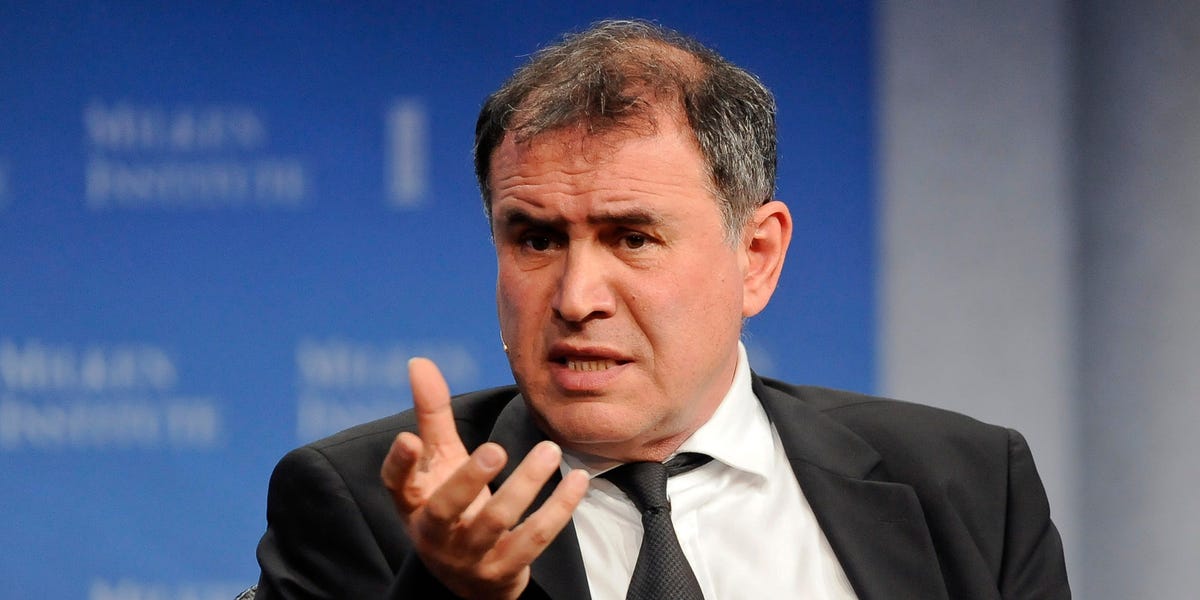
Nouriel Roubini Sounds Alarm: Impending Inflation Surge Could Rock Markets
Renowned economist Nouriel Roubini, famous for predicting the 2008 financial crisis, has once again raised the alarm regarding the potential resurgence of inflation. His forecasts suggest that a new wave of inflation could destabilize financial markets and lead to soaring 10-year Treasury yields, which would pose significant challenges for investors. As Roubini’s predictions gain traction, it becomes essential to analyze the underlying economic factors that could contribute to this inflationary surge and the implications for both the stock market and broader economic stability.
Understanding Roubini’s Predictions
Roubini’s economic outlook is largely informed by a combination of historical trends, current economic indicators, and geopolitical dynamics. His concerns stem from several key factors:
- Supply Chain Disruptions: The lingering effects of the COVID-19 pandemic have resulted in persistent supply chain issues. Disruptions in global trade, shortages of essential materials, and production delays have contributed to rising costs for businesses, which are often passed on to consumers.
- Labor Market Tightness: The labor market has experienced significant shifts, with many sectors struggling to fill positions. This tight labor market has put upward pressure on wages, a critical driver of inflation.
- Geopolitical Tensions: Roubini highlights that ongoing geopolitical conflicts, including tensions in Eastern Europe and trade disputes in Asia, could exacerbate economic instability and contribute to inflationary pressures. Such conflicts can disrupt energy supplies and lead to increased commodity prices.
- Monetary Policy Shifts: Central banks, particularly the Federal Reserve, have maintained accommodative monetary policies for an extended period. While these measures were necessary during the pandemic, the transition to tighter monetary policy could create volatility in financial markets.
The Implications for Financial Markets
If Roubini’s predictions materialize, the implications for financial markets could be profound. Key areas to consider include:
Stock Market Volatility
A resurgence of inflation could lead to increased volatility in the stock market. Investors may react to rising prices by adjusting their portfolios, moving away from equities in favor of assets perceived as safer during inflationary periods, such as commodities or real estate. This shift could result in:
- Increased sell-offs in high-growth stocks, particularly in technology sectors that have thrived in low-interest-rate environments.
- Greater interest in sectors traditionally regarded as inflation hedges, such as energy, materials, and consumer staples.
Impact on Bond Yields
Roubini warns that if inflation rises significantly, it could lead to a surge in 10-year Treasury yields. This increase would have several consequences:
- Higher Borrowing Costs: As Treasury yields rise, borrowing costs for consumers and businesses could increase. This scenario would affect everything from mortgages to corporate loans, potentially slowing economic growth.
- Reduced Bond Market Appeal: Investors may shift their focus from bonds to equities or other investments with higher returns, further driving up yields and creating a feedback loop of rising rates.
Broader Economic Considerations
The potential inflation surge and its market ramifications serve as a reminder of the interconnectedness of economic factors. Other related issues worth exploring include:
Consumer Behavior
As inflation rises, consumer behavior may change significantly. Increased prices could lead to:
- A shift in spending habits, where consumers prioritize essential goods over discretionary spending.
- A decrease in consumer confidence, potentially leading to reduced economic activity and growth.
Central Bank Strategies
In response to rising inflation, central banks may be compelled to alter their strategies. Potential actions include:
- Raising interest rates sooner than anticipated, which could slow economic growth.
- Reducing asset purchase programs, impacting liquidity in financial markets.
Investing in an Inflationary Environment
For investors, the prospect of rising inflation presents both challenges and opportunities. Strategies to consider include:
- Allocation to Inflation-Protected Securities: Investments in Treasury Inflation-Protected Securities (TIPS) can provide a buffer against inflation.
- Exploring Commodities: Commodities such as gold, silver, and agricultural products often perform well in inflationary periods and can serve as a hedge.
- Diversifying Portfolios: A diversified investment strategy that includes a mix of asset classes can help mitigate risks associated with inflation.
Nouriel Roubini’s warnings about a potential inflation surge and its implications for financial markets should not be taken lightly. As the global economy continues to grapple with various challenges, investors, policymakers, and consumers must remain vigilant. Understanding the factors driving inflation and adapting strategies accordingly will be essential for navigating this uncertain landscape. As history has shown, the interplay between inflation, market dynamics, and economic policy can create both risks and opportunities, making it crucial for stakeholders to stay informed and agile in their responses.
See more CNBC Network