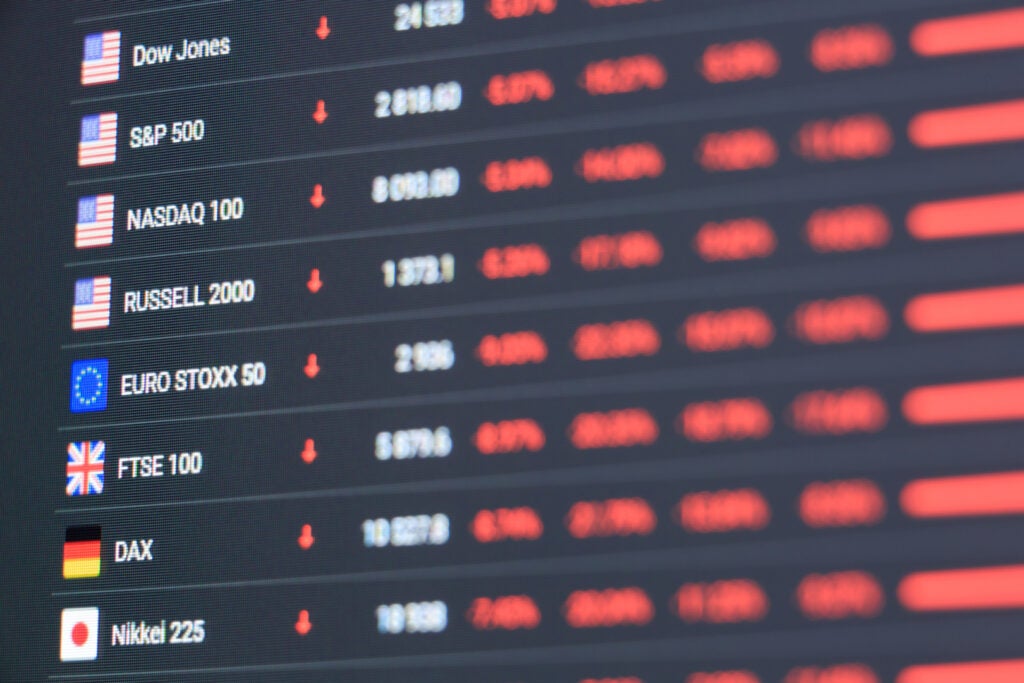
Global Market Turmoil: Asia and Europe Tumble as the Dollar Soars
As the sun sets on trading floors across Asia and Europe, a fresh wave of volatility grips global markets, punctuated by the dollar’s unprecedented rise. This upheaval has been met with concern and scrutiny as investors grapple with the implications of a strong U.S. dollar on the global economy. Understanding the factors driving this economic turmoil is essential, especially as the U.S. seems to remain in a state of relative slumber amidst the chaos.
Understanding the Dollar’s Surge
The U.S. dollar has seen a remarkable ascent in recent months, driven by a confluence of economic factors and geopolitical dynamics. But what exactly is causing this surge? Several key elements are at play:
- Interest Rates: The Federal Reserve has maintained a policy of elevated interest rates aimed at curbing inflation. Higher interest rates typically attract foreign investment, which increases demand for the dollar.
- Economic Resilience: Despite global economic challenges, the U.S. economy has shown signs of resilience, with strong employment data and consumer spending. This has bolstered investor confidence in the dollar.
- Geopolitical Factors: Ongoing geopolitical tensions, particularly in Europe and Asia, have led investors to seek safe-haven assets. The dollar, often viewed as a safe haven, has benefitted from this flight to safety.
These factors combined have led to the dollar reaching levels that many analysts had not anticipated, sparking a ripple effect across global markets.
The Impact on Asian Markets
As the dollar soars, Asian markets have been particularly vulnerable. The rise of the dollar often results in several adverse effects for Asian economies:
- Export Challenges: A stronger dollar makes Asian exports more expensive for U.S. consumers, potentially leading to a decrease in demand for goods. Countries like Japan and South Korea, which rely heavily on exports, are especially at risk.
- Capital Outflows: Higher U.S. interest rates can attract capital away from emerging markets in Asia, leading to outflows that weaken local currencies and increase borrowing costs.
- Inflation Pressures: Many Asian countries import commodities priced in dollars. As the dollar strengthens, the cost of these imports rises, leading to inflationary pressures that can destabilize local economies.
Consequently, the Asian markets have seen a significant downturn, with major indices reflecting investor anxiety and uncertainty.
The European Experience
Europe is facing a similar scenario, with the dollar’s rise contributing to economic turmoil. Key issues include:
- Currency Depreciation: The euro has been under pressure against the dollar, making imports more expensive and exacerbating inflation in the region.
- Energy Costs: Europe’s reliance on imported energy, priced in dollars, means that a stronger dollar can lead to higher energy bills, straining household budgets and business operations.
- Slow Growth: With the European Central Bank’s interest rates still relatively low compared to the U.S., Europe is struggling to attract investment, further diminishing the euro’s standing in the global currency market.
These factors have resulted in significant declines in European stock markets, raising concerns over economic recovery and growth prospects.
What Lies Ahead for Global Markets?
The current global market turmoil raises critical questions about the future. While the dollar’s strength may seem beneficial for the U.S. economy, it poses challenges for other nations. Here are several key considerations for the future:
- Potential Policy Adjustments: The Federal Reserve may need to reassess its interest rate strategy if the dollar’s strength leads to significant global economic instability.
- Geopolitical Stability: A resolution to geopolitical tensions could alleviate some investor fears, potentially stabilizing markets and leading to a more balanced global economy.
- Emerging Market Resilience: Emerging markets may adapt by diversifying their economies and seeking alternative trading partners to mitigate the impact of a strong dollar.
Ultimately, the interplay between the dollar’s strength and global market conditions will continue to shape economic landscapes in Asia and Europe. Investors and policymakers alike will need to remain vigilant as they navigate these turbulent times.
Seeking Opportunities Amidst Turmoil
While the current situation presents challenges, it also opens up avenues for potential opportunities. Investors may want to consider:
- Diversification: Investing in a diverse range of markets and assets can mitigate risks associated with currency fluctuations.
- Emerging Markets: Some emerging markets may present attractive investment opportunities as they adapt to new economic realities and seek to strengthen their currencies.
- Sector Analysis: Certain sectors, such as technology and renewable energy, may thrive despite the dollar’s strength, providing potential growth opportunities.
In conclusion, global market turmoil is a complex phenomenon influenced by the dollar’s rise, with significant implications for Asia and Europe. Understanding the underlying factors driving this upheaval is essential for investors and policymakers. While challenges abound, the landscape is also ripe for opportunities for those willing to adapt and innovate in response to changing economic conditions.
See more CNBC Network