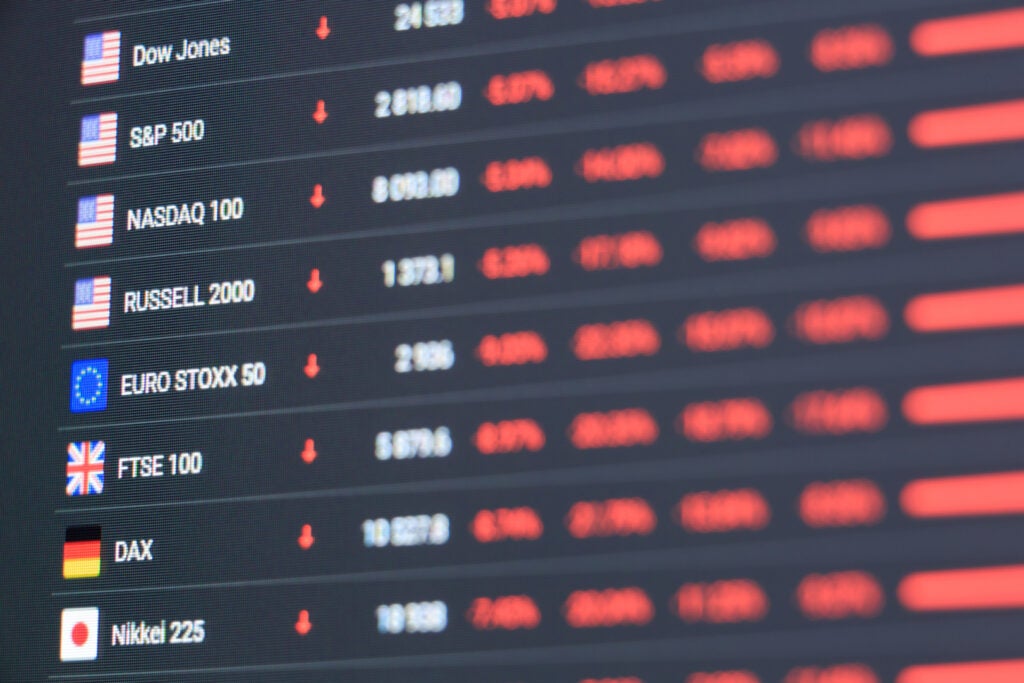
Global Market Surge: Asia and Europe Lead the Charge While the U.S. Sleeps
The global economic landscape is witnessing a remarkable transformation as markets in Asia and Europe record substantial gains, while the United States appears to be in a state of relative stagnation. This phenomenon raises pressing questions about the underlying factors propelling these markets forward and the implications for the global economy. The surge in silver prices further underscores the dynamic shift in economic trends, signaling a potential reconfiguration of investment strategies worldwide. In this article, we will explore the multifaceted drivers of this market surge, the implications for investors, and the broader economic context.
Understanding the Global Market Surge
The term “global market surge” refers to the significant upward movements in stock indices, commodities, and other investment vehicles across various regions. Currently, Asia and Europe are at the forefront of this surge, showcasing resilience and growth amid challenges that have historically plagued economic stability.
Several factors contribute to this phenomenon:
- Economic Recovery Post-Pandemic: Many Asian and European countries are experiencing robust economic recovery following the disruptions caused by the COVID-19 pandemic. Governments have implemented effective fiscal policies, stimulating growth and restoring consumer confidence.
- Technological Advancements: The rapid adoption of technology across sectors has catalyzed innovation and productivity. In countries like China and South Korea, advancements in industries such as electric vehicles and fintech are driving growth.
- Increased Investment in Green Technologies: With a global emphasis on sustainability, investments in green technologies are surging. Europe, in particular, is leading the charge in renewable energy initiatives, which are attracting significant capital inflows.
Asia’s Economic Resilience
Asia has been a beacon of economic resilience, with countries like China, India, and Vietnam showing impressive growth rates. According to the International Monetary Fund (IMF), Asia is projected to lead global growth, driven by domestic consumption and export-led recovery.
Key factors influencing Asia’s economic landscape include:
- China’s Economic Policies: The Chinese government has adopted policies aimed at revitalizing the economy, including infrastructure investments and support for small and medium-sized enterprises (SMEs). These efforts have resulted in a rebound in manufacturing and exports.
- India’s Emerging Market Potential: With a young population and a burgeoning middle class, India is positioned for significant growth. Reforms in various sectors, such as labor and taxation, are attracting foreign investments.
- ASEAN Integration: The Association of Southeast Asian Nations (ASEAN) is enhancing economic cooperation among member states, creating a more integrated and competitive regional market.
Europe’s Market Momentum
Europe, too, is experiencing a market surge, with indices like the DAX and FTSE 100 hitting new highs. The region’s recovery is characterized by a combination of strong consumer spending, effective vaccination campaigns, and government support packages.
Several elements are driving Europe’s momentum:
- Robust Consumer Confidence: As restrictions ease, consumer spending has rebounded, leading to increased demand for goods and services. This resurgence is crucial for economic growth.
- Fiscal Stimulus Measures: Many European nations have introduced substantial fiscal stimulus measures to support businesses and households, which have played a pivotal role in stabilizing the economy.
- Investment in Digital Infrastructure: The push towards digitalization is transforming various sectors, enhancing productivity and competitiveness across the European landscape.
The Impact on Silver Prices
As markets in Asia and Europe flourish, silver prices are on the rise, reflecting a shift in investment preferences. Silver is often seen as a safe-haven asset, and its increasing value suggests that investors are seeking stability amid uncertainty.
The factors influencing silver prices include:
- Inflation Concerns: With rising inflation rates globally, many investors are turning to precious metals like silver as a hedge against inflation. This trend is expected to continue as central banks navigate post-pandemic recovery.
- Industrial Demand: Silver’s importance in various industries, particularly electronics and renewable energy, drives its demand. The push for green technologies is likely to bolster silver’s value further.
What’s Next for the U.S. Market?
While Asia and Europe thrive, the U.S. market has shown signs of sluggishness, raising concerns among investors. Several factors might explain this phenomenon:
- Monetary Policy Uncertainty: The Federal Reserve’s approach to interest rates and inflation management remains a point of contention. Investors are cautious amid fears of rising rates, which could dampen economic growth.
- Geopolitical Tensions: Ongoing geopolitical uncertainties, particularly regarding trade relations and foreign policy, have led to market volatility in the U.S., prompting investors to look elsewhere.
- Market Saturation: After a prolonged bull market, some sectors in the U.S. are experiencing saturation, leading to a slowdown in growth compared to the more dynamic markets in Asia and Europe.
Conclusion: A Call for Adaptation
The current global market surge, led by Asia and Europe while the U.S. appears to be in slumber, underscores the shifting economic dynamics. Investors must adapt to these changes, reevaluating their portfolios and strategies in light of emerging opportunities in these vibrant markets. Silver, as a rising asset, presents a compelling case for diversification.
As the world continues to evolve, staying informed and agile will be crucial for navigating the complexities of this new economic landscape. The global market is poised for exciting developments, and those willing to embrace change may find themselves at the forefront of a new era of growth and opportunity.
See more CNBC Network