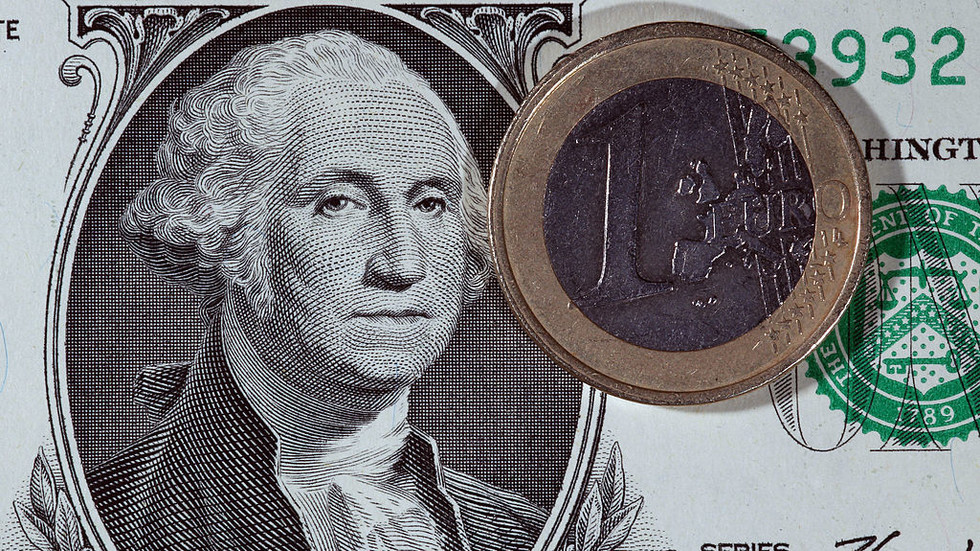
Euro Plummets to Two-Year Low: Understanding the Implications for Global Markets
The Euro has recently plummeted to its lowest point against the U.S. dollar in two years, a development that has sent ripples through financial markets worldwide. As analysts scramble to make sense of this significant currency shift, it’s crucial to delve into what this means for European economies, global trade dynamics, and potential opportunities arising from this downturn. Understanding these implications is vital for investors, businesses, and policymakers alike.
The Current State of the Euro
The Euro’s depreciation against the dollar is primarily attributed to a combination of factors, including differing monetary policies, economic growth rates, and geopolitical tensions. As of late 2023, the Euro had fallen to around 1.05 against the dollar, a stark contrast to its previous strength. This decline raises important questions about the Eurozone’s economic resilience and the broader implications for global markets.
Factors Contributing to the Euro’s Decline
Several key factors have contributed to the Euro’s decline:
- Divergent Monetary Policies: The European Central Bank (ECB) has maintained a more cautious approach compared to the U.S. Federal Reserve, which has aggressively raised interest rates to combat inflation. This divergence makes the Euro less attractive to investors seeking higher yields.
- Economic Growth Disparities: The Eurozone has struggled with sluggish economic growth, exacerbated by the lingering effects of the COVID-19 pandemic, energy crises, and supply chain disruptions. In contrast, the U.S. economy has shown more resilience, attracting capital flows towards the dollar.
- Geopolitical Tensions: Ongoing geopolitical issues, including the war in Ukraine and tensions with China, have created uncertainty in European markets, further pressuring the Euro.
Implications for European Economies
The Euro’s plummet has significant implications for European economies:
- Increased Import Costs: As the Euro weakens, the cost of imports rises. This is particularly concerning for energy-dependent countries in the Eurozone, where higher energy costs can lead to inflationary pressures.
- Export Competitiveness: On the flip side, a weaker Euro can enhance the competitiveness of European exports. Companies exporting goods to the U.S. and other regions could benefit from higher demand as their products become cheaper for foreign buyers.
- Tourism Boost: A decline in the Euro can attract international tourists, particularly from the U.S., as travel becomes more affordable. This could provide a much-needed boost to the Eurozone’s tourism sector.
Global Market Reactions
The Euro’s decline is not just a European issue; it has global ramifications:
- Investor Sentiment: Global investors are closely monitoring the situation, and a significant drop in the Euro could lead to increased volatility in financial markets. A flight to safety may occur, with investors flocking to the U.S. dollar and other safe-haven assets.
- Emerging Markets Impact: Many emerging markets with ties to the Eurozone could feel the effects as currency fluctuations impact trade balances and economic stability. These markets may see capital outflows as investors seek safer investments.
- Commodity Prices: A weaker Euro may influence commodity prices, especially as many commodities are priced in dollars. European importers could face higher costs, impacting inflation rates across the continent.
Opportunities Amidst the Challenges
While the Euro’s decline presents challenges, it also opens up several opportunities:
- Investment Opportunities: Savvy investors may find opportunities in European stocks, particularly in export-oriented companies poised to benefit from a weaker Euro. These companies could see increased earnings due to higher foreign demand.
- Strategic Acquisitions: As the Euro weakens, European companies may become more attractive targets for foreign investors, leading to potential mergers and acquisitions that can reshape the market landscape.
- Focus on Innovation: The Eurozone may be prompted to enhance its economic competitiveness by investing in innovation and technology, driving long-term growth despite short-term currency challenges.
What Lies Ahead for the Euro and Global Markets
Predicting the future trajectory of the Euro and its impact on global markets can be complex. Analysts suggest several scenarios:
- Stabilization of the Euro: If the ECB adjusts its monetary policy in response to economic conditions, the Euro may stabilize, leading to a more balanced trade environment.
- Continued Volatility: Geopolitical tensions and economic uncertainties could lead to continued volatility in the Euro, affecting global market dynamics.
- Potential for Recovery: Should economic conditions in the Eurozone improve, there may be a recovery in the Euro’s value, positively affecting both European and global markets.
Conclusion
The Euro’s plunge to a two-year low is a significant event with far-reaching implications for European economies and global markets. While challenges abound, particularly concerning import costs and economic stability, opportunities also arise for investors and businesses willing to adapt and innovate. As the landscape continues to evolve, staying informed and agile will be key for stakeholders navigating this dynamic environment.
Ultimately, the situation requires a nuanced understanding of both the risks and opportunities presented by the Euro’s decline. By keeping a close eye on market trends and economic indicators, individuals and organizations can position themselves advantageously in this ever-changing landscape.
See more CNBC Network