Unpacking Capital One’s Strategic Move: The Potential Payoff from Discover Acquisition
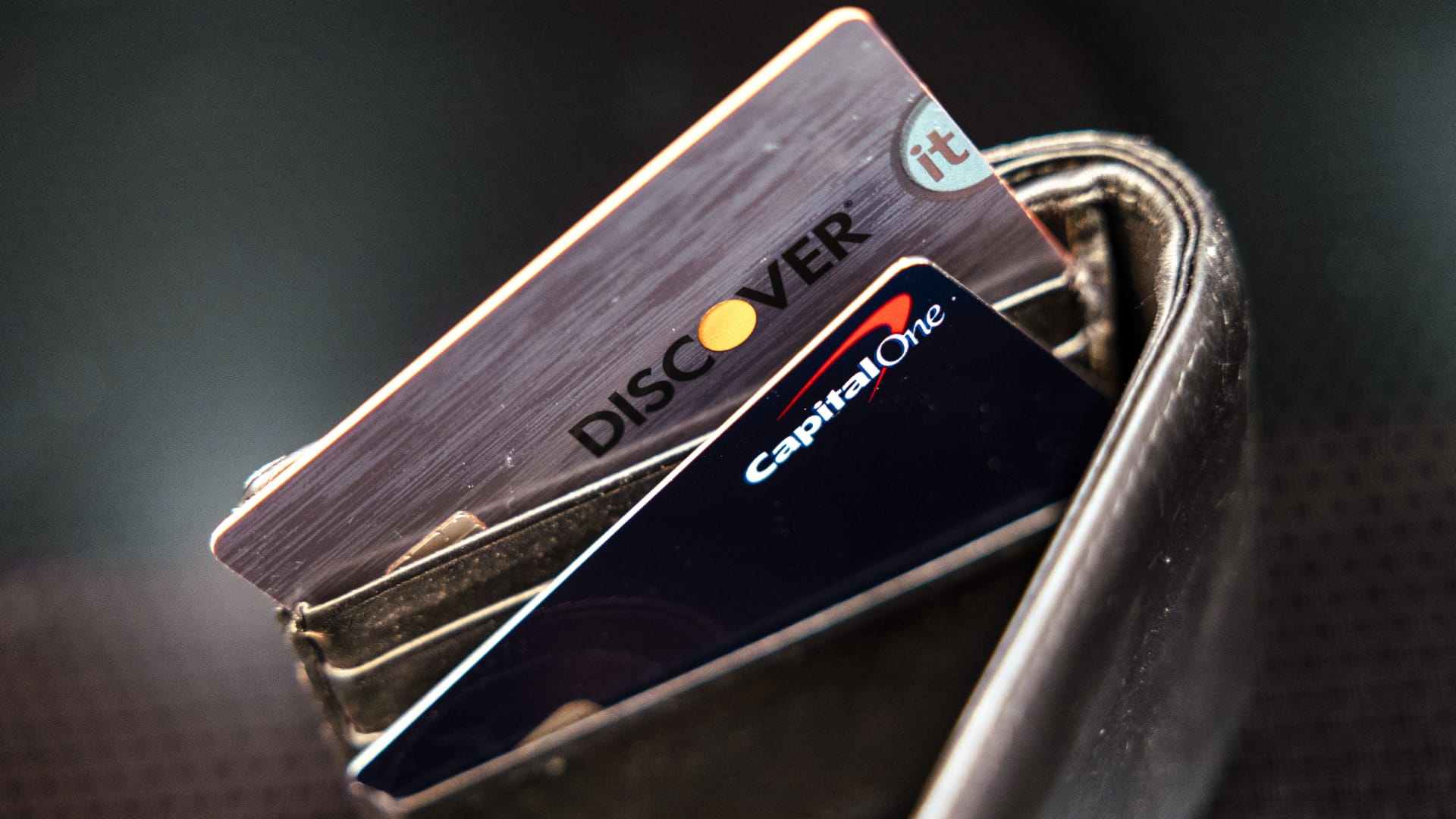
Capital One’s $35 billion acquisition of Discover Financial Services marks one of the largest banking deals in decades, positioning the combined entity to challenge payment giants Visa and Mastercard. Announced in February 2024, this vertical integration strategy aims to merge Capital One’s lending prowess with Discover’s payment network, creating a financial services powerhouse capable of reshaping digital banking. Industry analysts suggest the real test lies in how effectively Capital One can leverage Discover’s infrastructure to boost profitability and market share.
Why This Merger Changes the Payments Landscape
The acquisition gives Capital One direct control over Discover’s global payment network—a rare asset among consumer banks. Unlike competitors relying on third-party processors, Capital One will now own the entire transaction chain from card issuance to payment processing. This vertical integration could yield:
- $1.5 billion in projected cost synergies by 2027 (company filings)
- Access to Discover’s 70 million merchant acceptance points worldwide
- Opportunities to cross-sell products to Discover’s 57 million cardholders
“This is a chess move against the duopoly of Visa and Mastercard,” notes financial analyst Rebecca Tan of Bernstein Research. “By owning the rails, Capital One can potentially undercut processing fees while creating stickier customer relationships.”
The Digital Banking Advantage
Beyond payment processing, the deal accelerates Capital One’s digital transformation. Discover’s Pulse network processes over 3 billion transactions annually, providing rich data for AI-driven personalization. The combined entity will possess:
- Over 150 million customer accounts
- $250 billion in total deposits
- Proprietary technology from Discover’s 2022 Diners Club acquisition
Digital banking expert Mark Williams of Boston University warns: “The challenge will be integrating two distinct tech stacks while maintaining service reliability. If executed poorly, this could become a $35 billion albatross.”
Strategic Opportunities and Potential Pitfalls
Capital One’s playbook appears focused on three strategic fronts where the Discover acquisition could pay dividends.
1. Small Business Banking Expansion
Discover’s cashback business cards complement Capital One’s Spark commercial products. Combined market share could jump from 6% to 11% in the SMB segment, according to Nilson Report projections. The integrated platform might offer:
- Real-time expense management powered by transaction data
- Dynamic credit limits based on cash flow analysis
- Seamless integration with accounting software
2. Rewards Program Reinvention
Discover’s cashback model differs fundamentally from Capital One’s miles-based Venture rewards. Industry observers anticipate a hybrid approach could emerge, potentially disrupting the rewards landscape. Early speculation suggests:
- Tiered rewards adjusting to spending patterns
- Dynamic redemption options across travel and retail partners
- Blockchain-based loyalty tokens piloted in 2025
3. Regulatory Hurdles and Consumer Concerns
The deal faces scrutiny from regulators worried about reduced competition. The combined entity would become the largest U.S. card issuer by loan volume, controlling approximately 22% of outstanding balances. Consumer advocates like the National Consumer Law Center have raised concerns about:
- Potential reduction in credit card choice
- Data privacy implications of merged customer profiles
- Risk of “too big to fail” concentration
The Road Ahead for Digital Banking Innovation
If approved, the merger could accelerate several industry trends while presenting unique execution challenges.
Technology Integration Timeline
Capital One plans a phased integration over 36 months, prioritizing:
- Back-end payment processing consolidation (2024-2025)
- Customer-facing platform unification (2025-2026)
- AI-driven product innovation (2026 onward)
The company has allocated $2.1 billion for integration costs, including employee training and system upgrades.
Competitive Responses to Watch
Rivals are unlikely to stand still. Potential countermoves include:
- JPMorgan Chase expanding its ChaseNet closed-loop network
- American Express doubling down on premium service differentiators
- Fintech partnerships like Apple-Goldman Sachs deepening
Conclusion: A Transformational Deal With High Stakes
Capital One’s bold acquisition could redefine competitive dynamics in consumer finance, but success hinges on flawless execution. As the deal undergoes regulatory review in Q3 2024, stakeholders should monitor:
- Federal Reserve approval conditions
- Employee retention rates during transition
- Early customer experience metrics
For consumers, the coming years may bring more personalized banking experiences—provided Capital One can deliver on its vision without compromising service quality or financial inclusion. Follow industry developments as this story continues to unfold across financial news platforms.
See more CNBC Network