The Rise of ‘Buy Now, Pay Later’ Apps: A Grocery Revolution
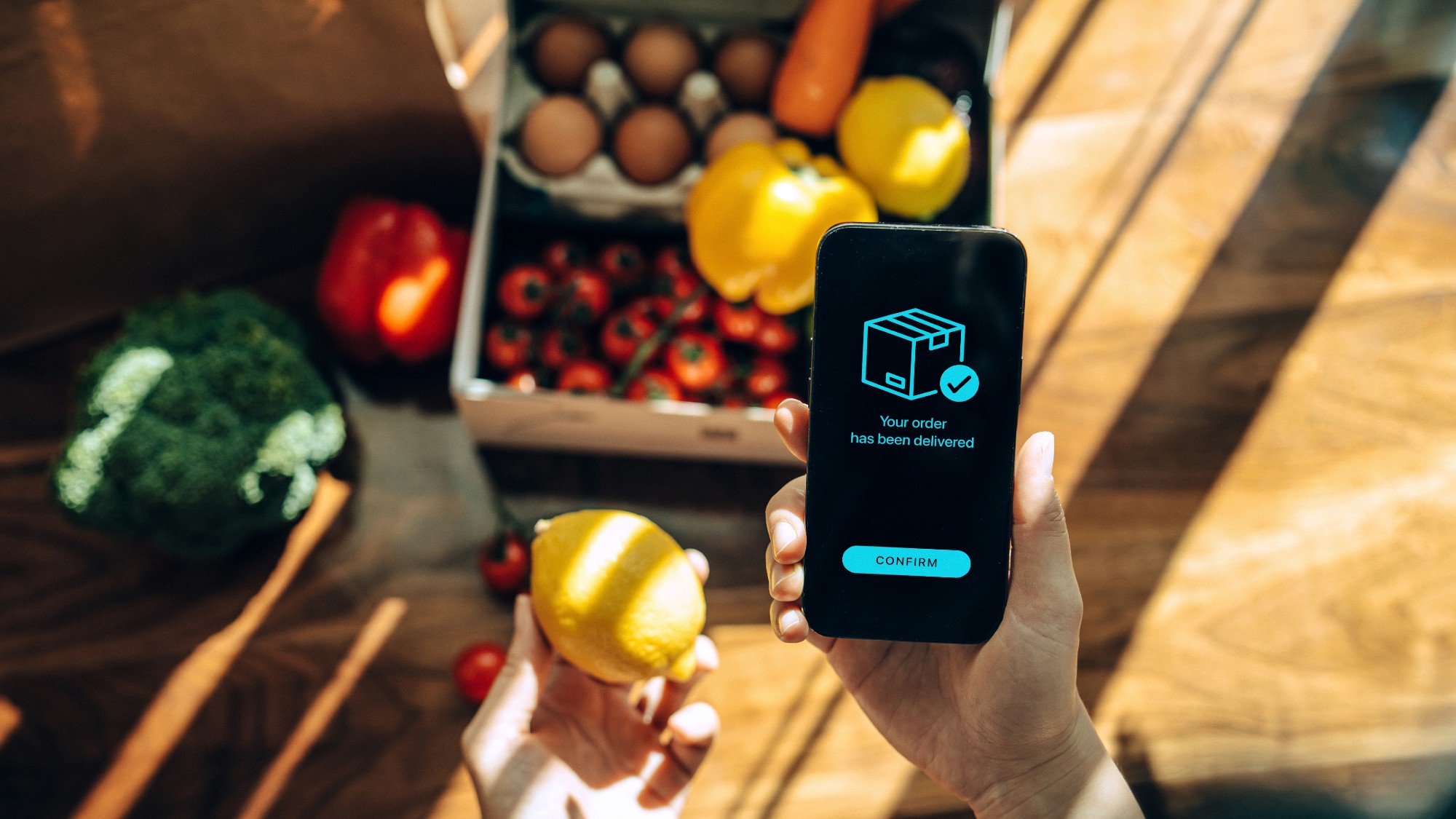
Millions of Americans are embracing ‘buy now, pay later’ (BNPL) apps to cover everyday grocery expenses, signaling a seismic shift in consumer spending habits. As inflation strains household budgets, services like Klarna, Afterpay, and Affirm are expanding beyond retail splurges into essential purchases. This trend, accelerating since 2022, raises critical questions about debt sustainability and the evolving landscape of retail finance.
Why Groceries Are the New Frontier for BNPL
Traditionally associated with electronics or fashion purchases, BNPL platforms now partner with major grocery chains and delivery services. A 2023 report by Adobe Analytics revealed a 40% year-over-year increase in BNPL grocery transactions, with 18% of users citing food costs as their primary reason for using installment plans. “This isn’t about luxury—it’s survival,” notes financial analyst Rebecca Zhou. “When rent and childcare consume paychecks, $200 split into four payments feels manageable.”
The mechanics are simple:
- Shoppers select BNPL at checkout online or via app
- Pay 25% upfront, with remaining balances auto-debited biweekly
- Zero interest if paid on time (late fees average $7-10)
The Psychology Behind the Trend
Behavioral economists attribute BNPL’s grocery appeal to mental accounting—the tendency to treat money differently based on context. “Breaking a $150 grocery bill into smaller chunks reduces psychological pain points,” explains Dr. Evan Hirsch of the Consumer Finance Institute. However, a 2024 LendingTree survey found that 34% of BNPL users missed at least one payment, risking cascading fees.
Case in point: Denver teacher Maria Gutierrez began using Afterpay for Whole Foods orders. “It helped when my hours got cut,” she says. But after six months, her $60 weekly groceries morphed into $480 in deferred payments. Stories like Maria’s underscore warnings from the Consumer Financial Protection Bureau, which reported a 300% surge in BNPL complaints since 2020.
Industry Responses and Ethical Concerns
Major retailers are taking notice. Walmart now offers BNPL through its app, while Kroger tests dynamic prompts suggesting installment plans when carts exceed $100. “We’re meeting customers where they are,” states Kroger CFO Gary Millerchip. Yet critics argue this normalizes debt for essentials. “Food shouldn’t require a payment plan,” contends consumer advocate Lisa Cook of Debt-Free America.
The Regulatory Landscape Heats Up
With BNPL’s explosive growth—projected to reach $437 billion globally by 2027—regulators are playing catch-up. Key developments:
- The CFPB now requires BNPL providers to investigate disputes like credit cards
- California passed SB 1331, mandating clearer fee disclosures
- The FTC filed its first BNPL-related lawsuit against Zip in March 2024
BNPL firms counter that they’re filling a gap left by traditional lenders. “Our approval rates are three times higher than credit cards for underserved communities,” asserts Affirm CEO Max Levchin. Data partly supports this: a TransUnion study showed BNPL users have 12% lower delinquency rates than subprime credit card holders.
What’s Next for BNPL and Consumer Finance?
The sector shows no signs of slowing. Innovations like:
- AI-driven spending limits based on income patterns
- BNPL-powered SNAP benefit top-ups (piloted in Texas)
- Loyalty programs offering payment flexibility for frequent shoppers
Yet risks persist. Moody’s warns that BNPL-driven grocery spending could exacerbate wealth gaps, as lower-income users pay effectively 7-15% more via late fees. Meanwhile, the USDA is studying whether installment plans influence nutritional choices, with preliminary data suggesting BNPL users buy 19% more processed foods—perhaps because they’re cheaper upfront.
As this financial experiment unfolds, consumers are advised to:
- Track all BNPL commitments in one place
- Set calendar reminders for payment dates
- Prioritize essentials over discretionary BNPL offers
The BNPL grocery boom reflects deeper societal shifts—where convenience, necessity, and risk intersect. Whether this becomes a lifeline or a debt trap may depend on how quickly consumers, companies, and regulators adapt to this new normal.
Want to assess your BNPL usage? The National Foundation for Credit Counseling offers free budget reviews at nfcc.org.
See more CNBC Network