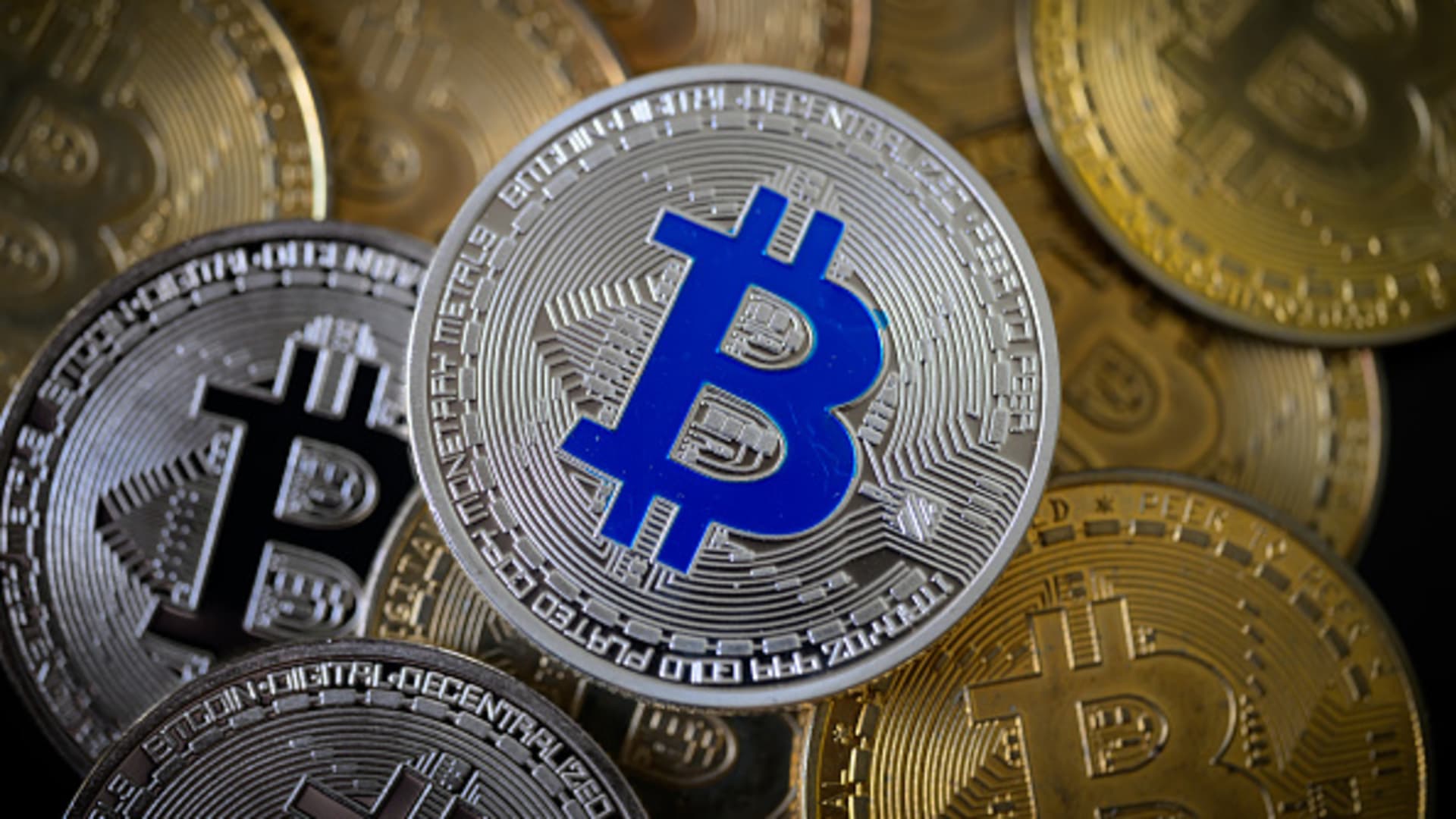
Bitcoin’s Remarkable Resurgence: Understanding the Impact of Inflation Data on Investors
In a surprising turn of events, Bitcoin has surged back above $97,000, marking a significant milestone for the cryptocurrency after a period of relative stagnation. This remarkable resurgence is largely attributed to encouraging inflation reports that have reignited investor interest and risk appetite in the digital asset space. As the economic landscape evolves, particularly with respect to inflationary pressures, understanding the implications for investors becomes crucial. This article delves into the factors driving Bitcoin’s resurgence, analyzes the relationship between inflation data and cryptocurrency investment, and offers insights into what this means for both seasoned and novice investors.
The Current Landscape of Inflation and Its Implications
Inflation, the rate at which the general level of prices for goods and services rises, has a direct impact on investment strategies. Recently released inflation data has indicated a moderation in inflationary pressures, which has encouraged a more optimistic outlook among investors. This shift is vital for comprehension, especially for those interested in Bitcoin and other cryptocurrencies.
Historically, cryptocurrencies have been viewed as a hedge against inflation. The fixed supply of Bitcoin, capped at 21 million coins, makes it an attractive alternative to fiat currencies that can be printed at will by central banks. As inflation rises, the purchasing power of traditional currency diminishes, leading investors to seek refuge in assets like Bitcoin.
Key Factors Behind Bitcoin’s Resurgence
Several factors have combined to fuel Bitcoin’s recent price surge:
- Positive Economic Indicators: Recent economic reports have shown signs of stabilization, leading to a more favorable investment environment. Investors are increasingly willing to take on risk as the fear of rampant inflation diminishes.
- Institutional Adoption: The entrance of institutional investors into the cryptocurrency market has provided a significant boost. These entities often have the capital and resources to influence market dynamics, pushing prices higher.
- Technological Advancements: Innovations within the blockchain technology space have continued to evolve, enhancing Bitcoin’s usability and appeal. This includes improvements in transaction speed, security, and scalability.
- Market Sentiment: A general uplift in market sentiment surrounding cryptocurrencies, fueled by positive news cycles and social media trends, has further encouraged investment.
As inflation data continues to improve, it may lead to a more robust environment for Bitcoin and other cryptocurrencies, as investors look for alternative stores of value.
Understanding Investor Psychology in the Context of Bitcoin
The psychology of investors plays a significant role in the cryptocurrency market, particularly with Bitcoin. The recent inflation data suggests a shift in sentiment, moving from caution to optimism. This change can be attributed to several psychological factors:
- Fear of Missing Out (FOMO): As Bitcoin’s price climbs, more investors fear missing the opportunity to profit, driving demand further.
- Confirmation Bias: Positive news regarding inflation can reinforce existing beliefs that Bitcoin is a viable investment, leading investors to overlook negative data.
- Market Trends: The cryptocurrency market is heavily influenced by trends. As Bitcoin’s price increases, it attracts more attention, which can lead to a self-fulfilling prophecy where increased interest drives prices even higher.
What Does This Mean for Investors?
For both seasoned and new investors, Bitcoin’s remarkable resurgence presents several opportunities and risks:
- Diversification: Investors can consider adding Bitcoin to their portfolio as a form of diversification. The cryptocurrency has shown a low correlation with traditional assets, potentially reducing overall portfolio risk.
- Long-Term Holding: Given Bitcoin’s historical volatility, a long-term holding strategy could be beneficial. Investors should focus on the asset’s fundamentals and long-term growth potential rather than short-term price fluctuations.
- Risk Management: Understanding the inherent risks associated with cryptocurrency investments is vital. Investors should only allocate a portion of their portfolio to Bitcoin based on their risk tolerance.
- Staying Informed: Keeping abreast of economic indicators, inflation reports, and market trends is crucial for making informed investment decisions.
The Future of Bitcoin in an Inflationary Environment
As we look ahead, the future of Bitcoin remains intertwined with the broader economic context, particularly inflation. If inflation continues to stabilize or decline, the cryptocurrency market may experience sustained interest from investors seeking alternative assets.
Moreover, central banks’ monetary policies will play a crucial role. A shift towards tightening monetary policy could lead to increased volatility in the cryptocurrency markets, making it essential for investors to stay vigilant and adaptable.
Conclusion: A New Dawn for Bitcoin Investors
Bitcoin’s remarkable resurgence above $97,000 highlights a pivotal moment for both the cryptocurrency and its investors. Encouraging inflation data has rekindled investor interest, signaling a possible shift in market dynamics. As we navigate through this evolving landscape, understanding the interplay between inflation and cryptocurrency investment will be key for making informed decisions.
Ultimately, Bitcoin offers a unique proposition as a digital asset that operates outside traditional financial systems. With its fixed supply and growing adoption, it stands as a testament to the changing nature of money and investment. For investors willing to embrace the volatility and risks associated with cryptocurrencies, this may very well be an opportune time to explore the opportunities that Bitcoin presents.
See more CNBC Network