Mastering Winter Savings: Understanding Your Energy Usage
As the cold months approach, many households start to brace themselves for the inevitable spike in energy bills. Mastering winter savings is not just about wearing more layers or relying on hot cocoa; it’s about understanding how your home uses energy and implementing effective strategies to slash those heating and electricity costs without compromising comfort.
Assess Your Current Energy Consumption
The first step in mastering winter savings is to evaluate your current energy usage. Take a close look at your heating and electricity bills from the previous winter months. Identify patterns in your energy consumption and note any peaks that coincide with specific weather conditions or usages, such as holiday gatherings or extended family visits.
- Smart Meters: Consider installing a smart meter if you haven’t already. These devices provide real-time data on your energy consumption, allowing you to make informed decisions about where to cut back.
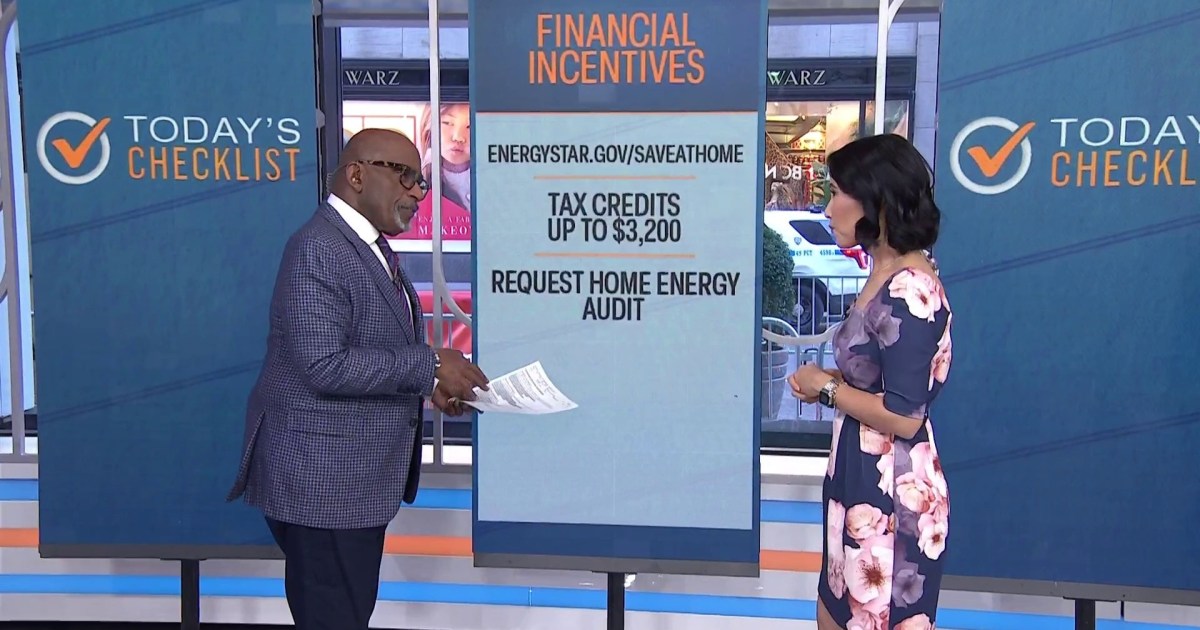
- Energy Audits: Conducting a home energy audit can help identify areas where energy is being wasted. Many utility companies offer free audits, and they can pinpoint issues like inadequate insulation or air leaks.
Optimize Your Heating System
Your heating system is likely the largest consumer of energy in your home during winter. Optimizing its efficiency can lead to significant savings. Here are some strategies:
- Regular Maintenance: Schedule an annual inspection of your heating system. A well-maintained furnace or boiler is more efficient and can save you money on repairs in the long run.
- Programmable Thermostats: Invest in a programmable thermostat. Set it to lower the temperature when you’re not home or during the night when you’re sleeping. This simple adjustment can reduce your heating bill significantly.
- Zone Heating: If possible, consider zone heating—using space heaters in the rooms you occupy most while keeping other areas cooler. This method can greatly reduce energy expenditure.
Insulate and Seal Your Home
One of the most effective ways to master winter savings is by ensuring your home is properly insulated and sealed. Heat loss can account for a significant portion of your energy bills, so addressing this can yield immediate benefits.
- Insulation: Check your insulation levels in the attic, walls, and floors. Adding insulation can keep your home warmer and reduce heating costs.
- Sealing Drafts: Look for drafts around windows, doors, and other openings. Use weather stripping or caulking to seal these leaks and prevent warm air from escaping.
- Use Heavy Curtains: Consider using heavy curtains or thermal blinds to insulate windows further. Closing them at night can help retain heat.
Utilize Energy-Efficient Appliances
When it comes to electricity bills, using energy-efficient appliances can make a significant difference. Look for appliances that have the ENERGY STAR label, as they meet strict energy efficiency guidelines.
- LED Lighting: Replace incandescent bulbs with LED lights. They use up to 80% less energy and last significantly longer.
- Smart Power Strips: Many electronics consume power even when turned off, known as phantom load. Smart power strips can help eliminate this waste by cutting power to devices when they’re not in use.
- Efficient Heating Options: If you’re considering a new heating system, look into high-efficiency models, such as heat pumps or condensing boilers, which can provide substantial energy savings.
Embrace Natural Heat Sources
During the day, take advantage of the sun’s natural heating capabilities. Here’s how:
- Open Curtains: Open curtains and blinds on south-facing windows during the day to let sunlight in, warming your home naturally.
- Close at Night: As evening approaches, close them to trap the heat inside your home.
Adjust Your Habits
Sometimes, mastering winter savings can be as simple as adjusting your daily habits. Here are some easy changes you can implement:
- Dress Warmly: Instead of cranking up the heat, wear warmer clothing indoors. Cozy sweaters and socks can make a big difference.
- Limit Heat Loss: Keep doors to unused rooms closed to concentrate heat in the areas where it’s needed most.
- Reduce Hot Water Use: Lower the thermostat on your water heater to 120°F and take shorter showers to save on hot water costs.
Consider Renewable Energy Options
Investing in renewable energy sources, such as solar panels, can provide long-term savings on electricity bills. While the initial investment can be significant, many homeowners find that the savings on their bills and potential tax incentives make it worthwhile.
- Solar Panels: If your home gets ample sunlight, solar panels can significantly reduce or even eliminate your electricity bills over time.
- Incentives and Rebates: Research local and federal incentives for installing renewable energy systems. These can help offset installation costs.
Monitor and Review Your Progress
Finally, to ensure you’re on track with your winter savings goals, regularly monitor your energy usage and review your bills. Use the data from smart meters and energy audits to make adjustments as needed.
By implementing these strategies, you’ll not only master winter savings but also contribute to a more sustainable lifestyle. It’s about making informed choices and adjustments that lead to lasting changes.
As winter approaches, prepare yourself with these actionable strategies to slash your heating and electricity bills while maintaining a warm and cozy home. With a little effort and mindfulness, you can enjoy the winter season without the financial stress that often accompanies it.
See more CNBC Network