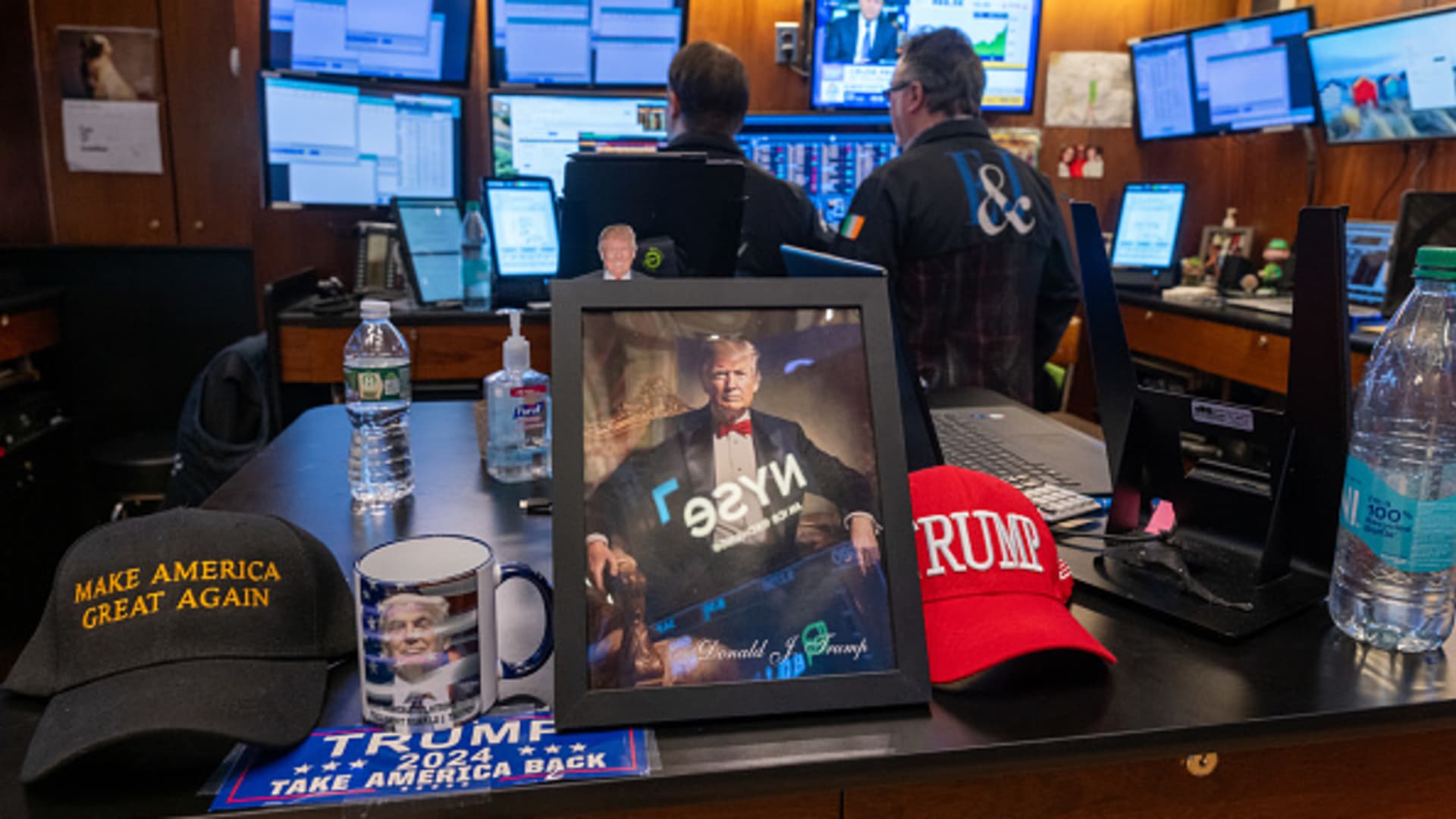
Unpacking the Economic Implications of a Potential Second Trump Presidency
As speculation grows around a possible second term for Donald Trump, the financial landscape could undergo significant changes. Trump’s first term was marked by a mix of bold economic policies, trade disputes, and tax reforms, all of which left a lasting imprint on personal finances, investment strategies, and the broader economic framework of the United States. In this article, we’ll explore how a potential second Trump presidency might impact various economic sectors and personal financial health.
Tax Policies and Their Impact on Personal Finances
One of the most direct ways a second Trump presidency could affect personal finances is through tax policy. During his first term, Trump’s administration enacted the Tax Cuts and Jobs Act (TCJA), which significantly reduced corporate tax rates and provided temporary tax cuts for individuals. If re-elected, Trump might push for further tax reforms aimed at stimulating growth.
- Potential Tax Cuts: Trump may propose additional tax cuts for middle-class families, which could increase disposable income and boost consumer spending.
- Corporate Tax Rates: A continuation or further reduction of corporate tax rates could incentivize businesses to invest more in expansion, potentially leading to job creation.
- Investment Incentives: Policies favoring capital gains tax reductions could encourage more investments in stocks and real estate, which might benefit investors in the long run.
However, there are concerns regarding the impact of such tax cuts on the federal deficit. Critics argue that while tax cuts can stimulate growth, they may also lead to increased borrowing and longer-term financial instability.
Trade Policies and Global Economic Relations
Trump’s first term was characterized by a confrontational approach to trade, particularly with China. His administration imposed tariffs on a range of goods, which had mixed effects on the economy. A second term could see a continuation of these policies or a shift towards a more conciliatory approach.
- Continued Tariffs: If Trump maintains his tariff policies, U.S. consumers might face higher prices on imported goods, potentially squeezing household budgets.
- Trade Agreements: The renegotiation of trade agreements could lead to new opportunities for U.S. exporters, particularly in agriculture and manufacturing.
- Supply Chain Adjustments: Companies may continue to diversify their supply chains away from China, which could create new domestic jobs but also lead to short-term disruptions.
The implications of these trade policies could ripple through the economy, affecting everything from consumer prices to job security in various industries.
Regulatory Environment and Business Growth
A second Trump presidency would likely prioritize deregulation, a hallmark of his first term. This could have several implications for the economy:
- Streamlined Regulations: Easing regulations on businesses could foster an environment conducive to entrepreneurship and innovation, potentially leading to job creation.
- Environmental Policies: Trump’s approach to environmental regulations, particularly in the energy sector, could benefit fossil fuel industries at the expense of renewable energy initiatives.
- Healthcare Reforms: Changes in healthcare regulations might impact insurance premiums and out-of-pocket costs for consumers, directly affecting personal finances.
While deregulation could stimulate growth, it might also raise concerns about consumer protection and environmental sustainability.
Investment Shifts and Stock Market Reactions
The stock market often reacts to the political climate, and a potential second Trump presidency could bring a mixed bag of outcomes for investors. Historically, Trump’s presidency has been associated with bullish market behavior, particularly following his election in 2016.
- Market Volatility: Uncertainty around trade policies and geopolitical tensions could lead to increased market volatility, impacting investment portfolios.
- Sector Performances: Sectors like energy and manufacturing might thrive under Trump’s policies, while technology and health care could face challenges if regulations are rolled back.
- Long-Term Investing: Investors might need to adopt a more long-term perspective, focusing on sectors that align with Trump’s economic vision.
Investors should stay informed about policy changes and market trends to make informed decisions during a potential second Trump term.
Consumer Confidence and Economic Growth
Consumer confidence is a critical component of economic growth, and Trump’s leadership style has often been polarizing. A second term could either boost or hinder consumer sentiment:
- Confidence Boost: If Trump’s policies lead to job creation and rising incomes, consumer confidence could increase, driving economic growth.
- Political Uncertainty: Conversely, continued political division and uncertainty could dampen consumer sentiment, impacting spending habits.
- Impact on Small Businesses: If small businesses feel supported through favorable policies, this could enhance their contributions to local economies.
Ultimately, consumer confidence will play a pivotal role in determining the trajectory of the economy under a potential second Trump presidency.
As we unpack the economic implications of a potential second Trump presidency, it becomes clear that the effects could be far-reaching. From tax policies to trade relations, regulatory changes, and consumer confidence, each aspect will interplay to shape the financial landscape. For individuals and investors alike, staying informed and adaptable will be crucial in navigating the uncertainties and opportunities that may arise.
While optimism exists around the potential for economic growth and job creation, it is essential to remain cautious about the complexities and challenges that a new political term can bring. Understanding these dynamics will empower citizens to make informed financial decisions, ensuring they are well-prepared for whatever lies ahead in the economic landscape.
See more CNBC Network