Market Rollercoaster: What’s Behind the Sudden Stock Drop After Tariff Pause?
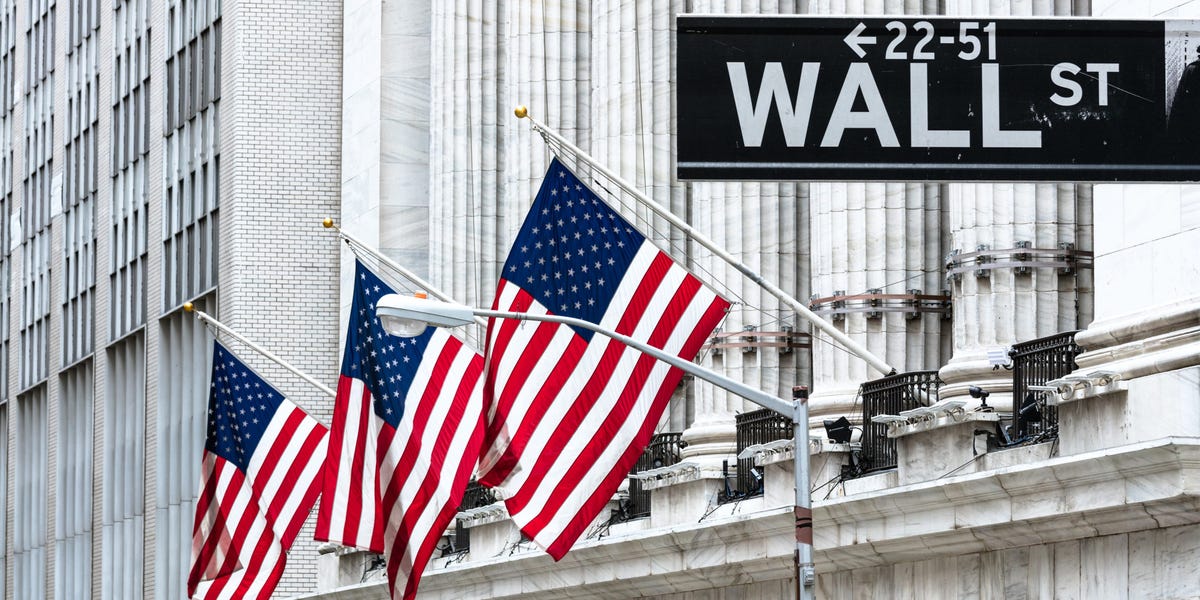
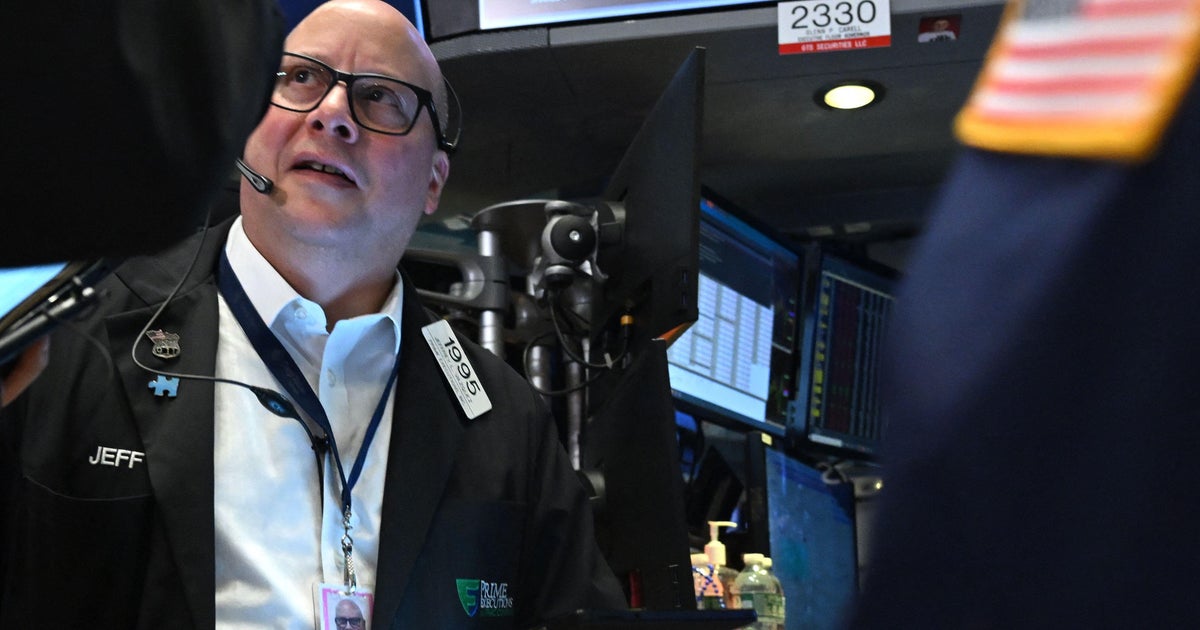
On Thursday, the stock market experienced a sharp decline just one day after a robust rally, leaving investors scrambling for answers. The Dow Jones Industrial Average fell 450 points (1.3%), while the S&P 500 and Nasdaq Composite dropped 1.1% and 1.5%, respectively. The sudden reversal followed the Biden administration’s announcement of a temporary pause on tariffs for certain Chinese imports—a move initially celebrated by markets. Analysts now point to lingering inflation concerns, geopolitical tensions, and profit-taking as key drivers of the sell-off.
Initial Optimism Meets Reality Check
Wednesday’s rally saw the S&P 500 climb 1.8% after the White House revealed plans to suspend tariffs on $10 billion worth of Chinese goods, including consumer electronics and industrial components. Investors interpreted the decision as a potential easing of trade tensions and a boon for supply chains. However, the optimism proved short-lived.
“Markets often react impulsively to headlines, but the underlying fundamentals eventually take over,” said Rebecca Torres, chief economist at Horizon Capital Advisors. “The tariff pause was a positive step, but it doesn’t address core issues like inflation or slowing global demand.”
Key factors behind the downturn included:
- Inflation Jitters: Fresh data showed producer prices rose 0.4% in June, signaling persistent inflationary pressures.
- Fed Uncertainty: Minutes from the Federal Reserve’s latest meeting reinforced expectations of further rate hikes.
- Geopolitical Risks: Escalating tensions between the U.S. and China over Taiwan dampened sentiment.
Profit-Taking and Sector-Specific Pressures
Market participants also cited profit-taking as a contributing factor. The S&P 500 had gained nearly 8% in the previous three weeks, prompting some investors to lock in gains. Technology and consumer discretionary stocks, which led the recent rally, bore the brunt of the sell-off. Shares of Apple and Amazon fell 2.3% and 2.8%, respectively.
“This pullback isn’t entirely surprising,” noted David Chen, portfolio manager at Sterling Wealth Management. “Valuations had become stretched, and the tariff pause alone wasn’t enough to justify further upside without concrete economic improvements.”
Meanwhile, energy stocks bucked the trend, rising 1.2% as oil prices climbed amid supply concerns. The divergence highlighted the market’s uneven footing.
Mixed Reactions from Analysts and Investors
While some analysts viewed the downturn as a healthy correction, others warned of deeper vulnerabilities. A recent survey by Bank of America revealed that 68% of fund managers expect a recession in the next 12 months, up from 58% in May.
On the other hand, bullish investors argued that the tariff pause could still benefit corporate earnings in the long run. “The move reduces input costs for manufacturers and retailers, which may eventually filter through to margins,” said Priya Malik, senior strategist at Oakmont Investments. “But markets are impatient—they want immediate results.”
Looking Ahead: What’s Next for the Markets?
Investors will closely monitor several upcoming events for clues on the market’s direction:
- Federal Reserve Policy: Chair Jerome Powell’s testimony before Congress next week could provide insights into future rate hikes.
- Corporate Earnings: Q2 earnings season kicks off, with results from major banks like JPMorgan and Citigroup.
- Trade Developments: Further negotiations between the U.S. and China could determine whether the tariff pause evolves into a broader détente.
In the near term, volatility is likely to persist. “The market is caught between hope and fear,” said Torres. “Until we see clearer signs of inflation cooling or growth stabilizing, these swings may continue.”
The recent market rollercoaster underscores the fragile balance between policy actions and investor sentiment. While the tariff pause offered temporary relief, broader economic headwinds remain. For now, analysts advise caution and diversification.
Stay informed with real-time updates and expert analysis by subscribing to our daily market newsletter.
See more CNBC Network