Shielding Yourself: Understanding Scams in Post-Disaster Environments
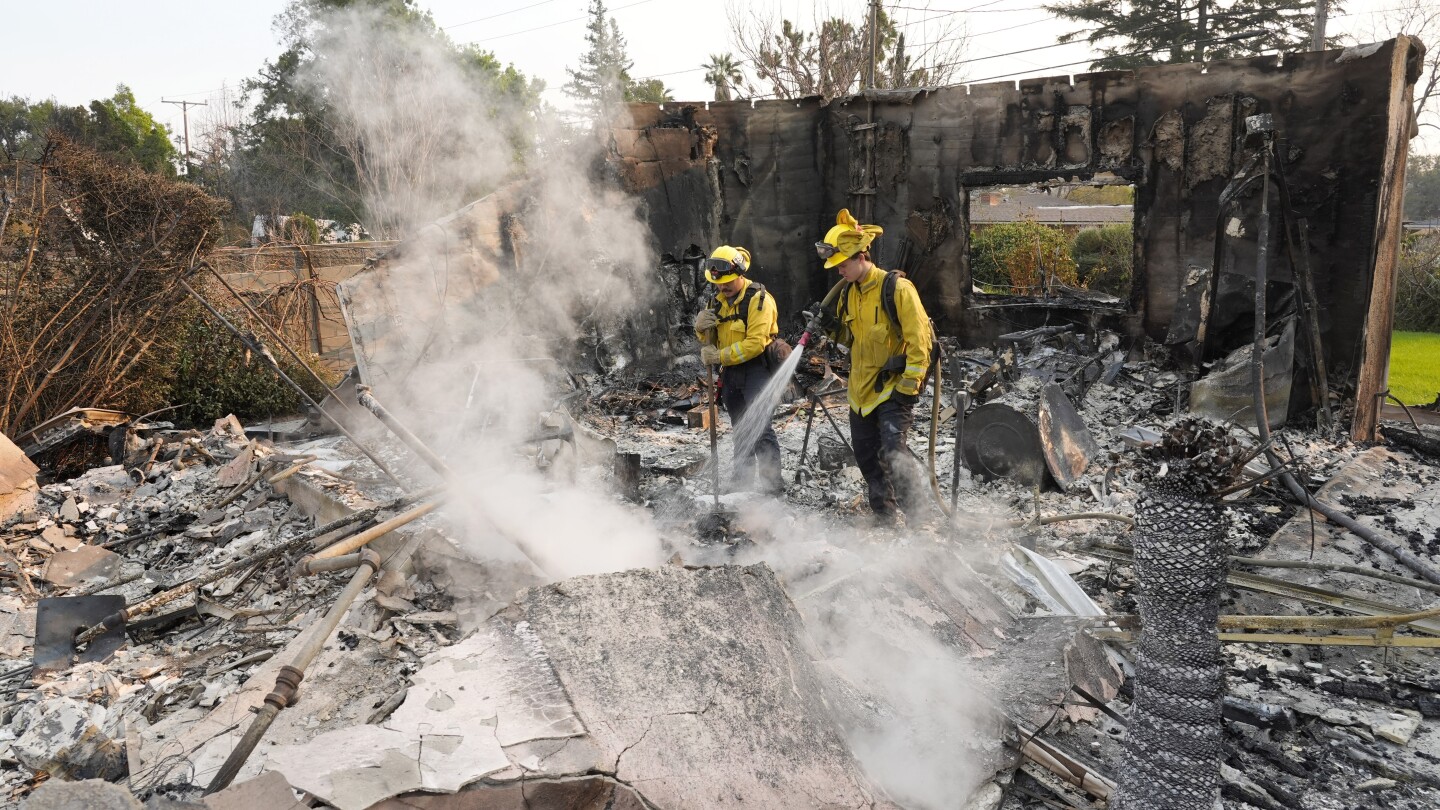
In the wake of natural disasters, communities often find themselves grappling with not just the aftermath of destruction but also the rise of scams that prey on vulnerable individuals. During these challenging times, it’s crucial to be aware of the tactics used by con artists and take proactive steps to protect yourself. This article delves into the various types of scams that flourish in post-disaster environments and outlines effective strategies for shielding yourself from these fraudulent schemes.
The Landscape of Scams After Disasters
Natural disasters like hurricanes, floods, wildfires, and earthquakes can leave individuals and families in desperate need of assistance. Unfortunately, this desperation creates fertile ground for scammers who seek to exploit the vulnerable. Some common scams include:
- Fake Charities: Scammers often pose as representatives of charitable organizations, soliciting donations for relief efforts that do not exist.
- Home Repair Scams: Unscrupulous contractors may approach homeowners offering quick repairs, demanding upfront payments but never completing the work.
- Phishing Scams: Cybercriminals use email or text messages to impersonate legitimate agencies, tricking victims into revealing personal information.
- Government Grant Scams: Scammers may claim that victims qualify for disaster relief grants, requesting personal or financial information to process the nonexistent grant.
Recognizing the Signs of a Scam
Being able to recognize the signs of a scam can be your first line of defense. Here are some red flags to watch out for:
- Pressure Tactics: Scammers often create a sense of urgency, insisting that you must act quickly to secure aid or services.
- Unsolicited Contact: If someone reaches out to you unexpectedly, especially asking for money or personal information, proceed with caution.
- Too Good to Be True Offers: If an offer seems exceptionally generous or beneficial, it may be a scam.
- Lack of Official Documentation: Legitimate organizations will always provide clear and verifiable information about their operations.
Shielding Yourself from Scams
To effectively shield yourself from scams in post-disaster environments, consider implementing the following strategies:
1. Verify Charitable Organizations
Before donating to any charity, take the time to research their legitimacy. Websites like Charity Navigator and GuideStar provide valuable insights into how charities operate and how your donations are used. Always opt for well-known, reputable organizations and avoid giving cash donations to individuals at your door.
2. Get Multiple Estimates for Repairs
If you need home repairs after a disaster, obtain estimates from several contractors. Be wary of anyone who insists on starting work immediately or demands large upfront payments. Look for contractors with good reviews and verify their licensing and insurance status.
3. Be Cautious with Personal Information
Never provide personal or financial information, such as your Social Security number or bank details, over the phone or via email unless you are certain of the recipient’s identity. Legitimate organizations will not ask for sensitive information in this manner.
4. Report Scams
If you encounter a scam, report it to the appropriate authorities. This can help prevent others from falling victim to the same scheme. In the U.S., you can report scams to the Federal Trade Commission (FTC) or your state attorney general’s office.
The Importance of Community Awareness
Communities play a vital role in combating scams post-disaster. By fostering an environment of awareness and vigilance, individuals can collectively shield themselves against fraud. Here’s how communities can help:
- Educational Workshops: Organize workshops that educate residents about the types of scams that often arise after disasters.
- Community Alerts: Establish a communication system for sharing information about ongoing scams in the area.
- Support Networks: Create networks of volunteers who can assist vulnerable individuals in verifying services and offers.
Personal Story: A Community’s Resilience
In a small town affected by recent flooding, community leaders banded together to create a local resource center. This center not only provided immediate relief but also served as a hub for information on legitimate aid and services. Residents could come in, ask questions, and get advice on how to avoid scams. The initiative fostered a sense of solidarity and resilience among the townspeople, proving that together they could overcome both the physical and financial challenges posed by the disaster.
Final Thoughts: Prioritize Your Safety
In the aftermath of a disaster, the last thing you should have to worry about is falling victim to a scam. By understanding the landscape of fraud, recognizing the signs, and implementing protective measures, you can focus on your recovery. Remember, it’s crucial to stay vigilant and informed. Your safety, both physically and financially, should always be a priority.
As communities continue to rebuild, let’s work together to ensure that we shield ourselves and our neighbors from those who seek to take advantage of our vulnerabilities. By fostering awareness and taking proactive steps, we can create a safer environment for all.
See more CNBC Network