Market Uplift: Will Trump’s Presidency Shift Investor Sentiment from Fear to Confidence?
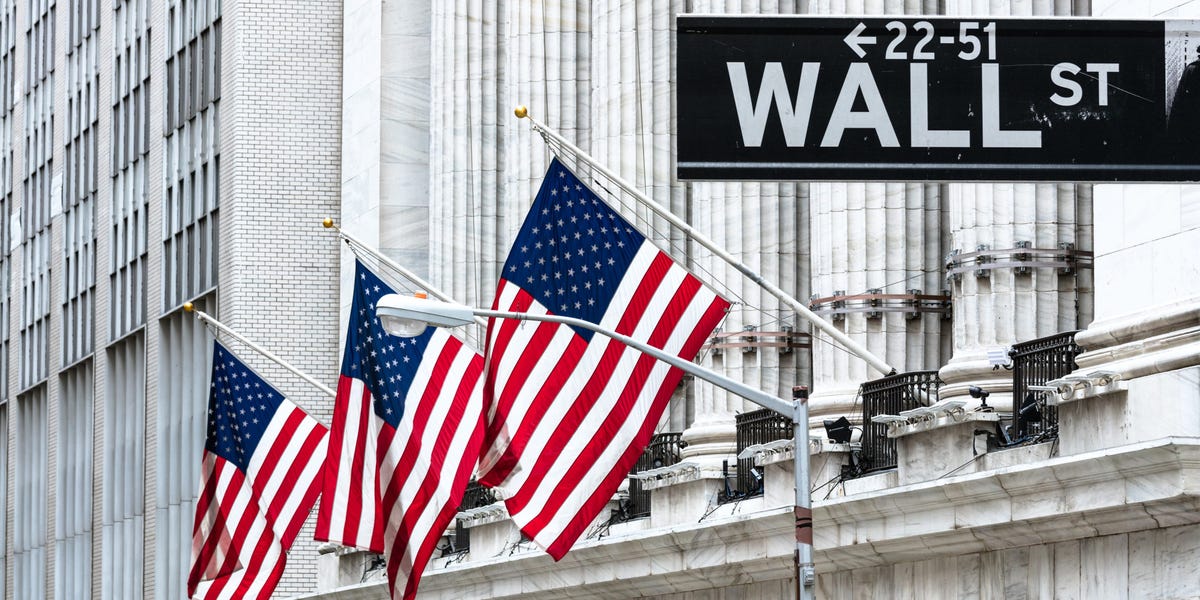
As the stock market reacts to the inauguration of Donald Trump, we observe a significant surge, with the Dow Jones Industrial Average climbing over 500 points. This remarkable rise in market activity raises a pivotal question: will Trump’s presidency effectively shift investor sentiment from fear to confidence? While the immediate market response appears to be optimistic, indicators such as the ‘Fear and Greed Index’ suggest a more complex landscape. This article delves into the factors influencing investor sentiment, the implications of Trump’s policies, and the potential sustainability of this market uplift.
Understanding Investor Sentiment
Investor sentiment plays a crucial role in market dynamics. It’s shaped by a myriad of factors, including economic indicators, political events, and global developments. Typically, sentiment can be categorized as either ‘fear’ or ‘greed’, reflecting the psychological state of investors. When fear dominates, markets tend to decline as investors seek safety, often leading to sell-offs. Conversely, when confidence prevails, investments increase, driving market prices upward.
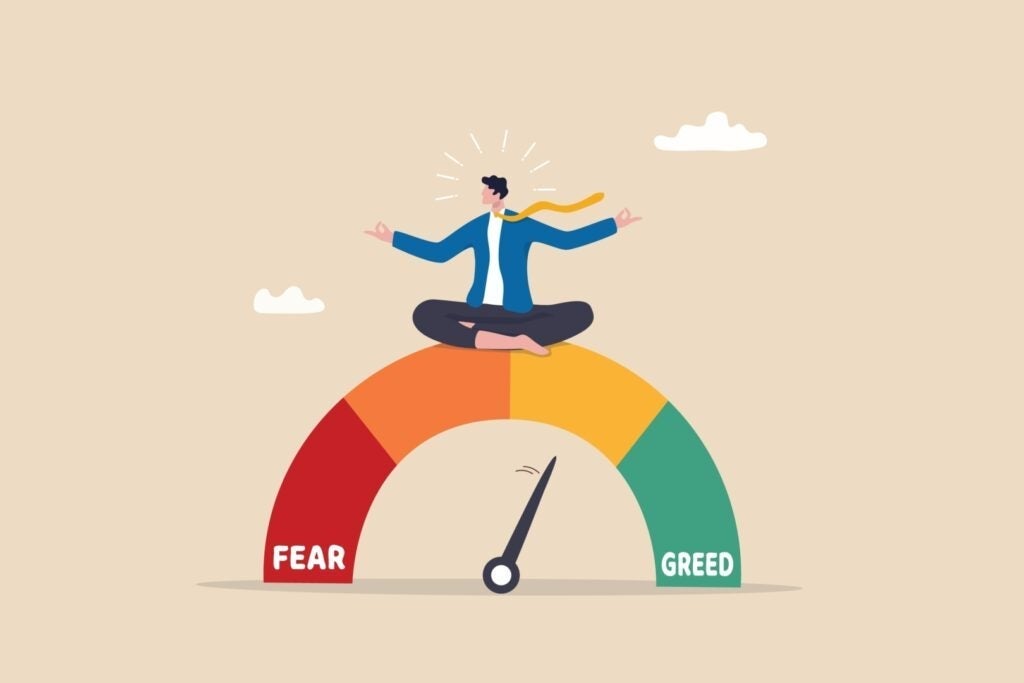
The recent rise in the stock market is significant, yet the persistent ‘fear’ status of the Greed Index indicates a cautious optimism among investors. This duality in sentiment prompts a deeper examination of what is driving this market uplift and whether it can be sustained in the long run.
Factors Contributing to Market Uplift
Several key factors are contributing to the current market uplift following Trump’s inauguration:
- Pro-Business Policies: Trump’s agenda has been characterized by promises of tax cuts, deregulation, and infrastructure investments. These pro-business policies appeal to investors looking for a favorable climate for growth.
- Market Anticipation: Anticipation of policy changes often causes a rush in market activity. Investors tend to buy into stocks they believe will benefit from the incoming administration’s plans, leading to a temporary boost in stock prices.
- Global Economic Factors: The performance of international markets, commodity prices, and foreign investments can also influence investor sentiment. A stable or growing global economy can lead to increased investor confidence.
Trump’s Economic Agenda: A Double-Edged Sword?
While Trump’s presidency promises certain financial policies aimed at stimulating the economy, there are potential pitfalls that could temper investor confidence.
- Tax Reform: Trump’s proposed tax cuts for businesses are seen as a way to enhance profitability. However, if these cuts lead to increased national debt without corresponding economic growth, investors may become wary.
- Trade Policies: Trump’s approach to trade, including tariffs and renegotiation of trade agreements, may protect domestic industries but could also lead to retaliatory measures from other countries, impacting global markets.
- Regulatory Changes: While deregulation can spur business activity, it may also lead to increased risks that could undermine long-term stability in the markets.
Investor Behavior: From Fear to Confidence?
The transition from fear to confidence in the stock market is often a gradual process influenced by tangible changes in economic indicators. In the case of Trump’s presidency, investor behavior will likely evolve based on several critical outcomes:
- Monitoring Economic Indicators: Investors will keep a close eye on key economic indicators such as GDP growth, unemployment rates, and inflation. Positive trends in these areas could bolster confidence and drive further investments.
- Corporate Earnings Reports: As companies begin to report their earnings in the context of Trump’s policies, investor sentiment will be directly influenced by whether these reports meet or exceed expectations.
- Political Stability: The stability of Trump’s administration and its ability to implement its economic agenda without significant opposition will also play a crucial role in shaping investor confidence.
The Role of the Fear and Greed Index
The Fear and Greed Index is a valuable tool for gauging market sentiment. It assesses various factors, including stock price momentum, market volatility, and demand for safe-haven assets. Despite the recent market uplift, the index’s ‘fear’ status highlights a cautious outlook among investors.
This mixed sentiment can be attributed to:
- Geopolitical Risks: Ongoing global tensions and uncertainties surrounding international relations can lead investors to remain cautious, even amid market gains.
- Market Corrections: Historically, markets experience corrections following significant rallies. Investors may be wary of entering the market fully, fearing a downturn.
- Interest Rate Increases: Potential increases in interest rates by the Federal Reserve could dampen investor enthusiasm, particularly in sectors sensitive to borrowing costs.
The Long-Term Outlook
While the initial market response to Trump’s presidency has been positive, the long-term outlook remains uncertain. Investor confidence hinges on the administration’s ability to deliver on its promises and navigate the complexities of the domestic and global economy.
To foster sustained investor confidence, it is essential for the government to:
- Focus on Economic Growth: Implementing policies that lead to tangible economic growth will be crucial in shifting sentiment from fear to confidence.
- Encourage Transparency: Maintaining open communication about economic policies and their expected impacts can help in building trust among investors.
- Mitigate Risks: Addressing potential risks associated with trade and regulatory changes proactively can prevent investor panic and maintain market stability.
Conclusion
In conclusion, the market uplift following Trump’s inauguration has sparked a wave of optimism among investors, yet the underlying ‘fear’ status of the Greed Index suggests a cautious approach. While Trump’s presidency may have the potential to shift investor sentiment from fear to confidence, the sustainability of this uplift depends on the administration’s actions and the broader economic landscape.
As investors navigate this new terrain, it is crucial to remain informed and adaptable. The path from fear to confidence is often fraught with uncertainties, but with careful monitoring and strategic decision-making, opportunities for growth abound. Ultimately, the interplay of policies, market reactions, and global influences will determine whether the current optimism can be sustained, marking a new era in investor sentiment.
See more CNBC Network