Wildfires Ignite Concern: Insurance Stocks Face Unprecedented Decline
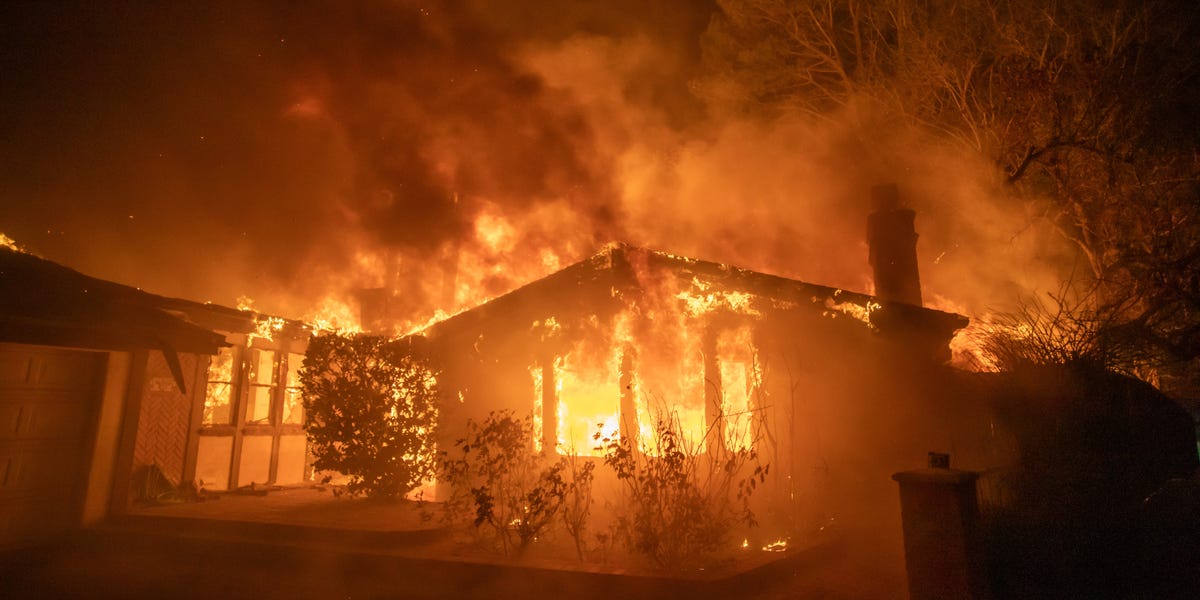
The recent surge in wildfires across Los Angeles has sent shockwaves through the insurance industry, leading to a significant drop in stock values. Analysts warn that the escalating threat of climate-related disasters could reshape the financial landscape for insurers. As wildfires become more frequent and intense, the implications for the insurance sector are profound and far-reaching.
The Impact of Wildfires on Insurance Stocks
Wildfires have long been a concern for insurance companies, but the recent uptick in incidents has raised alarms among investors and analysts alike. The fires not only threaten lives and property but also challenge the financial stability of insurers. When wildfires rage through neighborhoods, the immediate effects are devastating, with homes, businesses, and infrastructure reduced to ashes.
Insurance stocks are feeling the heat as claims pour in from affected areas. Major players in the industry, such as State Farm, Allstate, and Progressive, have reported significant losses attributed to wildfire claims. As the intensity and frequency of these disasters grow, so too do the challenges faced by insurers in accurately pricing risk.
Current Stock Trends
Following the recent wildfires in Los Angeles, insurance stocks have experienced unprecedented declines. For instance, shares of major insurance providers fell by an average of 5-10% in just a few weeks. This decline reflects investor anxiety over potential losses and the rising costs of reinsurance, which companies rely on to protect themselves against catastrophic events.
- Increased Claims: Insurers are bracing for a surge in claims, which will impact their bottom lines.
- Reinsurance Costs: Prices for reinsurance have skyrocketed, further straining the financial health of primary insurers.
- Market Volatility: The unpredictability of natural disasters is leading to increased market volatility for insurance stocks.
Climate Change: A Driving Force Behind Wildfire Frequency
One cannot discuss the current wave of wildfires without addressing the elephant in the room: climate change. Rising global temperatures and prolonged drought conditions are creating a perfect storm for wildfires. The National Interagency Fire Center reports that wildfire seasons are becoming longer and more intense, particularly in the western United States.
As climate change continues to accelerate, insurers face the daunting task of reassessing risk models. Traditional methods of calculating premiums may no longer suffice in a world where the parameters of risk are constantly shifting. Insurers will need to adopt a more dynamic approach, incorporating climate models and environmental factors into their underwriting processes.
Reassessing Risk: The Future of Insurance Underwriting
The need for innovation in the insurance sector is paramount. By leveraging technology such as artificial intelligence and big data analytics, insurers can enhance their risk assessment capabilities. These tools allow for a more granular understanding of risk factors related to wildfires, enabling companies to adjust premiums accordingly.
- Data-Driven Decisions: Utilizing advanced analytics to improve risk assessment.
- Geographic Information Systems (GIS): Mapping fire-prone areas to better inform underwriting practices.
- Customer Engagement: Providing policyholders with resources to mitigate risk, such as fire prevention tips and safety measures.
Regulatory Changes and Their Influence on Insurers
As wildfires become a pressing issue, regulators are stepping in to address the challenges faced by the insurance industry. Policymakers are considering measures that could significantly impact how insurers operate, including:
- Mandatory Coverage: Some states are exploring legislation that would require insurers to offer coverage in high-risk areas.
- Rate Regulation: Regulatory bodies may impose restrictions on how much insurers can raise premiums, complicating their ability to manage risk.
- Incentives for Mitigation: Governments could provide incentives for homeowners to invest in fire-resistant materials and landscaping to reduce risk.
The Role of Technology in Mitigating Wildfire Risks
Technology is becoming a crucial ally for both insurers and homeowners in combating the threat of wildfires. Innovations such as satellite imagery and real-time data collection allow for better monitoring of fire risks. This technology can help insurers identify high-risk areas and adjust their underwriting practices accordingly.
Moreover, smart home technologies can play a significant role in fire prevention. Homeowners equipped with fire detection systems and automated sprinkler systems can mitigate damages, which, in turn, benefits insurers by reducing claims. By encouraging the adoption of such technologies, insurers can create a safer environment for their policyholders while also protecting their financial interests.
Investor Sentiment and Market Outlook
The current state of insurance stocks in light of wildfires has led to a cautious approach among investors. While the decline in stock prices raises concerns, it also presents potential investment opportunities for those willing to navigate the volatility. Analysts suggest that companies that adapt to the changing landscape—by improving risk assessment, leveraging technology, and engaging with regulators—may emerge stronger in the long run.
Furthermore, there is a growing trend of socially responsible investing (SRI), where investors seek to align their portfolios with companies that prioritize sustainability and risk management. Insurers that demonstrate a commitment to addressing climate change and enhancing resilience may attract a new wave of investors.
Looking Ahead: The Future of Insurance in a Changing Environment
As the world grapples with the realities of climate change, the insurance industry must evolve to meet new challenges. The recent wildfires in Los Angeles serve as a stark reminder of the risks posed by natural disasters. However, with innovation, collaboration, and a proactive approach, insurers can navigate this landscape and emerge resilient.
In conclusion, while the current decline in insurance stocks due to wildfires ignites concern, it also presents a pivotal moment for the industry. By embracing change and focusing on sustainable practices, insurers can not only protect their financial interests but also contribute to a safer and more resilient future for all.
See more CNBC Network