Rising Inflation Concerns: Wall Street Faces Deepest Dive in Two Months
In recent weeks, the financial landscape has been significantly shaken by a surge in inflation concerns, culminating in a marked decline in major stock indices. A recent survey from the University of Michigan revealed that consumer inflation worries are at their highest levels since 2008. This alarming trend has not only affected investor sentiment but has also led to significant sell-offs on Wall Street, resulting in the steepest decline in two months. As inflation looms large, many are left questioning the economic outlook and the potential repercussions for both consumers and investors alike.
Understanding the Inflation Surge
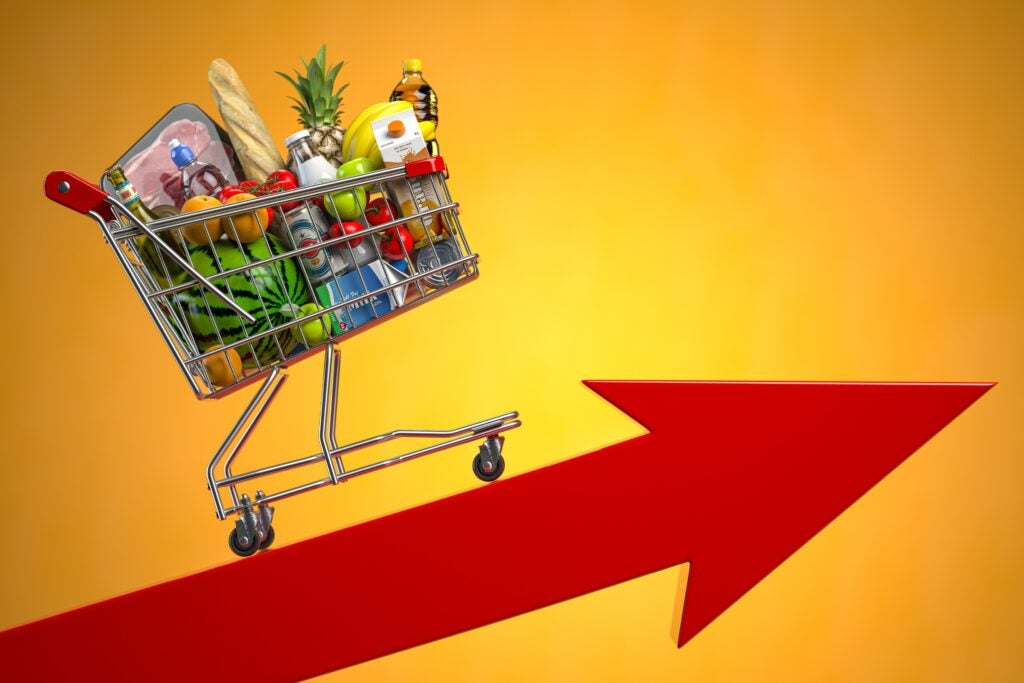
Inflation, simply put, is the rate at which the general level of prices for goods and services rises, eroding purchasing power. When inflation fears take hold, they can create a ripple effect throughout the economy. The recent survey from the University of Michigan highlights a growing anxiety among consumers regarding rising prices. This is particularly evident in essential sectors such as housing, food, and energy, where costs have seen significant increases. A closer examination of the contributing factors to this inflation surge reveals several key elements:
- Supply Chain Disruptions: The aftermath of the COVID-19 pandemic has led to persistent supply chain issues, causing delays and shortages in various sectors.
- Energy Prices: Fluctuations in oil prices, exacerbated by geopolitical tensions and production cuts, have significantly impacted transportation and manufacturing costs.
- Labor Market Strain: A tight labor market has driven wages higher, which, while beneficial for workers, can lead to increased costs for businesses that may be passed on to consumers.
Wall Street’s Response to Rising Inflation Concerns
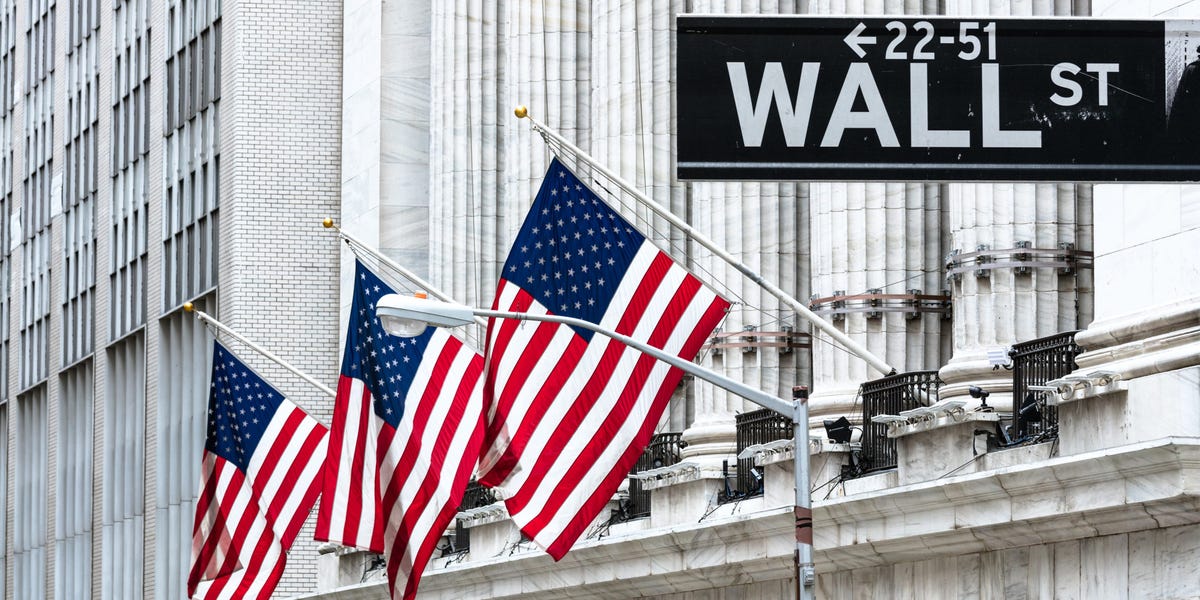
As inflation fears mount, Wall Street has responded with a sharp sell-off. Major indices such as the Dow Jones Industrial Average, S&P 500, and Nasdaq Composite have all experienced considerable declines. Investor sentiment has soured, leading to a flight to safety, as many turn to bonds and other less volatile investments. The steepest decline in two months raises several questions about the future trajectory of the markets and the broader economy.
The Impact of Interest Rates on Inflation
One of the primary tools that the Federal Reserve utilizes to combat inflation is the adjustment of interest rates. As inflation rises, the Fed may choose to increase interest rates to cool off economic activity. Higher interest rates generally lead to higher borrowing costs for consumers and businesses, which can dampen spending and investment. This, in turn, can lead to a slowdown in economic growth.
In the context of rising inflation concerns, the Fed’s decisions will be closely scrutinized. Investors are particularly attentive to any signals regarding the timing and magnitude of rate hikes. The fear is that aggressive rate increases could push the economy into a recession, further complicating the financial landscape.
Consumer Sentiment and Spending Habits
Consumer sentiment is a crucial factor in economic health. The University of Michigan survey indicates that consumers are increasingly worried about their financial future, which can lead to changes in spending habits. When consumers feel anxious about inflation, they may cut back on discretionary spending, opting instead to save or pay down debt. This shift can have significant implications for retailers and businesses dependent on consumer spending.
As inflation concerns rise, both consumers and investors may seek to adjust their strategies to mitigate potential impacts. Here are some approaches to consider:
- Diversification: Investors may want to diversify their portfolios to include assets that tend to perform well in inflationary environments, such as commodities or real estate.
- Focus on Essentials: Consumers can prioritize spending on essential goods and services, while seeking out discounts and sales to stretch their budgets.
- Investment in Stocks with Pricing Power: Companies that have strong brand loyalty and can pass on costs to consumers without losing sales may be more resilient during inflationary periods.
Looking Ahead: The Economic Outlook
The question on everyone’s mind is: what does the future hold? While rising inflation concerns have caused a palpable sense of unease, it is essential to take a measured approach to the economic outlook. Several factors could influence the trajectory of inflation, including:
- Global Economic Recovery: As economies around the world continue to recover from the pandemic, demand may stabilize, potentially easing supply chain issues.
- Technological Advancements: Innovations in production and logistics could help mitigate some inflationary pressures by improving efficiency.
- Policy Responses: Government policies aimed at addressing supply chain disruptions and supporting consumers could play a significant role in stabilizing prices.
Conclusion
Rising inflation concerns have undeniably caused significant turmoil in the financial markets, leading to Wall Street’s deepest dive in two months. As consumers grapple with the implications of escalating prices, it is vital to remain informed and adaptable. By understanding the factors driving inflation and adjusting strategies accordingly, both consumers and investors can better navigate these challenging times. While uncertainty looms, proactive measures and a keen awareness of economic trends can empower individuals to face the future with resilience and optimism.
See more CNBC Network