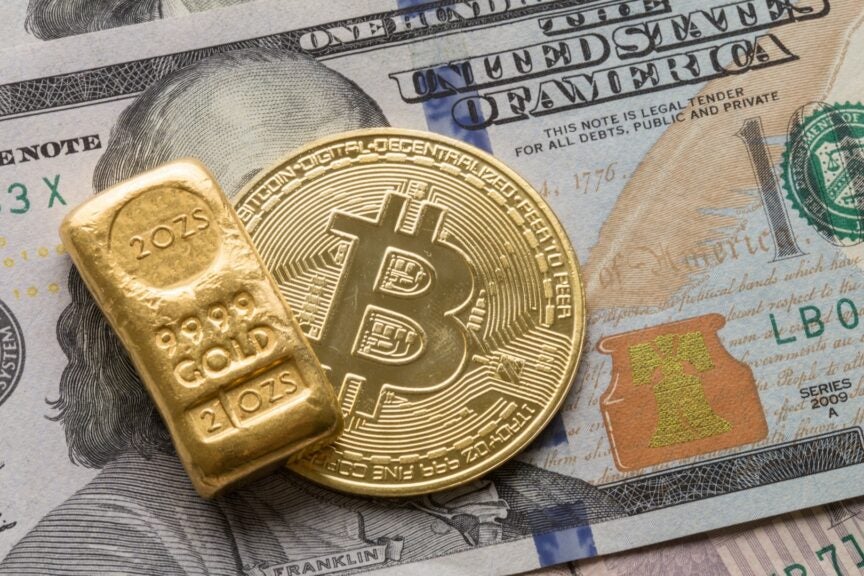
Are We Entering a New Golden Era?
As we approach the close of 2023, the financial world is increasingly buzzing with optimism surrounding two significant assets: gold and Bitcoin. Analysts are suggesting that both may be on the brink of a transformative period, potentially marking a new golden era for investors. With gold projected to experience its strongest performance in a decade and Bitcoin gaining traction as a potential reserve asset, the question arises: What does the future hold for these financial stalwarts as we look towards 2025?
The Resilience of Gold
Gold has long been regarded as a safe haven in times of economic uncertainty. Its intrinsic value, coupled with a limited supply, makes it a sought-after asset during financial turmoil. In 2023, gold prices have seen substantial gains, fueled by various global economic factors:
- Inflation Concerns: As inflation rates soar globally, investors are flocking to gold as a hedge against currency devaluation.
- Geopolitical Tensions: Ongoing conflicts, particularly in Eastern Europe and the Middle East, have heightened the demand for stable assets.
- Central Bank Purchases: Many central banks are increasing their gold reserves, signaling confidence in the metal as a long-term asset.
According to data from the World Gold Council, global gold demand surged in 2023, with central banks purchasing over 400 tons of gold in the first half of the year alone. This trend underscores a renewed faith in gold, not just as a commodity, but as a cornerstone of financial stability.
Bitcoin: The Digital Gold?
Meanwhile, Bitcoin has been capturing the attention of investors and analysts alike. With influential figures like Michael Saylor, CEO of MicroStrategy, advocating for Bitcoin as a reserve asset, the cryptocurrency is positioning itself as a digital counterpart to gold. The concept of Bitcoin as “digital gold” is gaining traction for several reasons:
- Scarcity: Bitcoin’s supply is capped at 21 million coins, creating a sense of scarcity akin to that of gold.
- Decentralization: Unlike traditional currencies, Bitcoin operates on a decentralized network, making it immune to government manipulation.
- Institutional Adoption: Major corporations and financial institutions are increasingly investing in Bitcoin, lending credibility and stability to its value.
In recent months, Bitcoin has seen significant price fluctuations, yet many analysts remain bullish about its long-term prospects. The halving event anticipated in 2024 is expected to further reduce the supply of new Bitcoin, potentially driving prices higher as demand remains strong.
Analysts’ Optimism for 2025
The convergence of favorable market conditions for both gold and Bitcoin has led analysts to forecast a robust financial landscape in 2025. Some key factors contributing to this optimism include:
- Macroeconomic Stability: Should inflation begin to stabilize and central banks recalibrate their monetary policies, both assets may benefit from increased investor confidence.
- Technological Advancements: Innovations in blockchain technology and the growing acceptance of cryptocurrencies could enhance Bitcoin’s legitimacy and usability.
- Global Economic Shifts: As emerging markets continue to grow, demand for both gold and Bitcoin may increase as these countries look to diversify their reserves.
Analysts at firms like Goldman Sachs and JPMorgan have begun to include Bitcoin in their discussions of asset allocation, suggesting that it may play a pivotal role in future investment strategies. This shift could lead to an increased acceptance of cryptocurrencies within mainstream finance.
The Broader Implications of a New Golden Era
The potential rise of both gold and Bitcoin as key financial assets raises several broader implications for investors and the global economy:
Shift in Investment Strategies
With the renewed interest in gold and the growing acceptance of Bitcoin, investors may need to rethink their asset allocation strategies. Diversification into these assets could provide a buffer against market volatility and inflationary pressures. Financial advisors are likely to recommend a balanced approach that includes both traditional and digital assets.
Regulatory Evolution
The increasing prominence of cryptocurrencies like Bitcoin is pushing regulators to consider new frameworks for digital assets. This evolution could lead to more robust consumer protections, which may in turn enhance investor confidence and drive further adoption.
Impact on Central Banks
The growing acceptance of Bitcoin as a reserve asset poses questions for central banks. If Bitcoin gains traction as a legitimate currency, central banks may need to adapt their monetary policies accordingly. This could lead to a re-evaluation of how currencies are managed and valued globally.
Conclusion: A New Era on the Horizon
As we look ahead to 2025, the financial landscape appears poised for significant transformation. Both gold and Bitcoin are positioned to play pivotal roles in this new era, driven by economic factors, technological advancements, and changing investor perceptions. While uncertainties remain, the optimism surrounding these assets suggests that we may indeed be entering a new golden era.
Investors are encouraged to stay informed about market trends and potential regulatory changes as they navigate this evolving landscape. Whether through traditional investments in gold or exploring the innovative realm of cryptocurrencies, the future holds promise for those willing to adapt and embrace the changes ahead.
See more CNBC Network