Global Markets on Edge: Asia and Europe Face Declines as Dollar Reaches 3-Week Peak
In recent trading sessions, global markets have experienced notable turbulence, particularly in Asia and Europe, where indices have shown significant declines. At the same time, the US dollar has surged to a three-week high, stirring discussions among economists and investors alike about the potential implications for international trade and investment. This article delves into the factors contributing to these market movements, examines the current economic landscape, and explores what the future may hold for global markets.
The Current Market Landscape
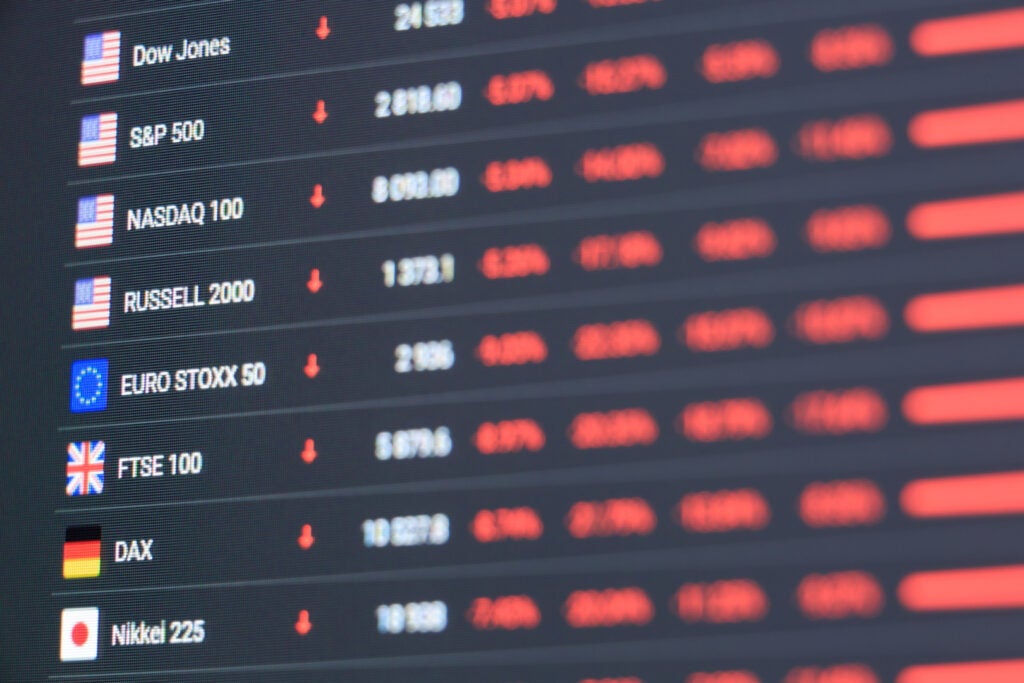
The latest market fluctuations come against a backdrop of shifting economic signals that have left investors on edge. In Asia, major stock indices such as the Nikkei 225 in Japan and the Hang Seng Index in Hong Kong reported losses of over 1% as concerns about global economic growth intensified. Similarly, European markets, including the DAX in Germany and the FTSE 100 in the UK, showed downward trends, reflecting investor apprehension amid rising inflation and interest rate hikes.
The US dollar’s ascent, reaching its highest level in three weeks, is a significant factor influencing these declines. A stronger dollar can impact global trade dynamics, making US exports more expensive and imports cheaper, which can affect the competitiveness of foreign markets. This has raised alarms about potential slowdowns in economies that rely heavily on exports, particularly in Asia.
Factors Driving Market Declines
Several interconnected factors are contributing to the downturn in global markets:
- Inflation Concerns: Persistent inflation rates in the US and Europe have prompted central banks to consider aggressive interest rate hikes. This tightening of monetary policy can lead to reduced consumer spending and investment, slowing economic growth.
- Geopolitical Tensions: Ongoing geopolitical issues, including tensions in Eastern Europe and trade disputes in Asia, continue to create uncertainty in the markets. Investors are wary of how these conflicts might impact economic stability.
- Supply Chain Disruptions: The lingering effects of the COVID-19 pandemic have led to ongoing supply chain issues that have yet to fully resolve. These disruptions have caused production delays and increased costs, further straining economies worldwide.
The Impact of a Stronger US Dollar
The rise of the US dollar has significant implications for the global economy. A stronger dollar can lead to:
- Higher Import Costs: Countries that rely on imports priced in dollars may face increased costs, which can exacerbate inflationary pressures.
- Reduced Competitiveness: Export-driven economies may struggle to compete as their goods become more expensive for foreign buyers.
- Capital Flows: A stronger dollar often leads to capital outflows from emerging markets as investors seek the safety and returns of dollar-denominated assets.
Economists warn that a sustained rise in the dollar could lead to a slowdown in global economic growth, particularly in regions heavily dependent on exports. The International Monetary Fund (IMF) has highlighted this risk, suggesting that emerging markets may face significant challenges if the dollar continues to strengthen.
Broader Implications for International Trade and Investment
The current volatility in global markets also raises questions about the future of international trade and investment. As the dollar strengthens, countries may reevaluate their trade policies and currency strategies. Some potential trends include:
- Increased Currency Hedging: Businesses may turn to currency hedging strategies to mitigate the risks associated with currency fluctuations, impacting how they engage in international trade.
- Shift in Investment Strategies: Investors may seek to diversify their portfolios to shield against currency risk, leading to increased interest in non-dollar-denominated assets.
- Regional Trade Agreements: Countries may pursue regional trade agreements to reduce dependence on the dollar, potentially leading to a shift in global trade dynamics.
Looking Ahead: What’s Next for Global Markets?
As we move forward, the outlook for global markets remains uncertain. Analysts suggest that several key factors will shape market trends in the coming months:
- Central Bank Policies: Investors will closely monitor the actions of central banks, particularly in the US and Europe. Any signals regarding interest rate hikes or shifts in monetary policy will likely influence market sentiment significantly.
- Economic Data Releases: Upcoming economic data, including employment figures, consumer spending, and inflation rates, will provide critical insights into the health of the global economy and could sway investor confidence.
- Geopolitical Developments: Ongoing geopolitical tensions will continue to affect market stability. Investors will need to stay informed about developments in regions such as Eastern Europe and Asia, as these could lead to further volatility.
Conclusion
The recent declines in Asian and European markets, coupled with the rise of the US dollar, illustrate the complex interplay of factors shaping the global economic landscape. As investors navigate this uncertainty, the implications for international trade and investment remain profound. Understanding the underlying causes of these market movements and anticipating future trends will be essential for stakeholders looking to mitigate risks and capitalize on emerging opportunities. As the global economy continues to evolve, staying informed and adaptable will be key to navigating the challenges ahead.
See more CNBC Network