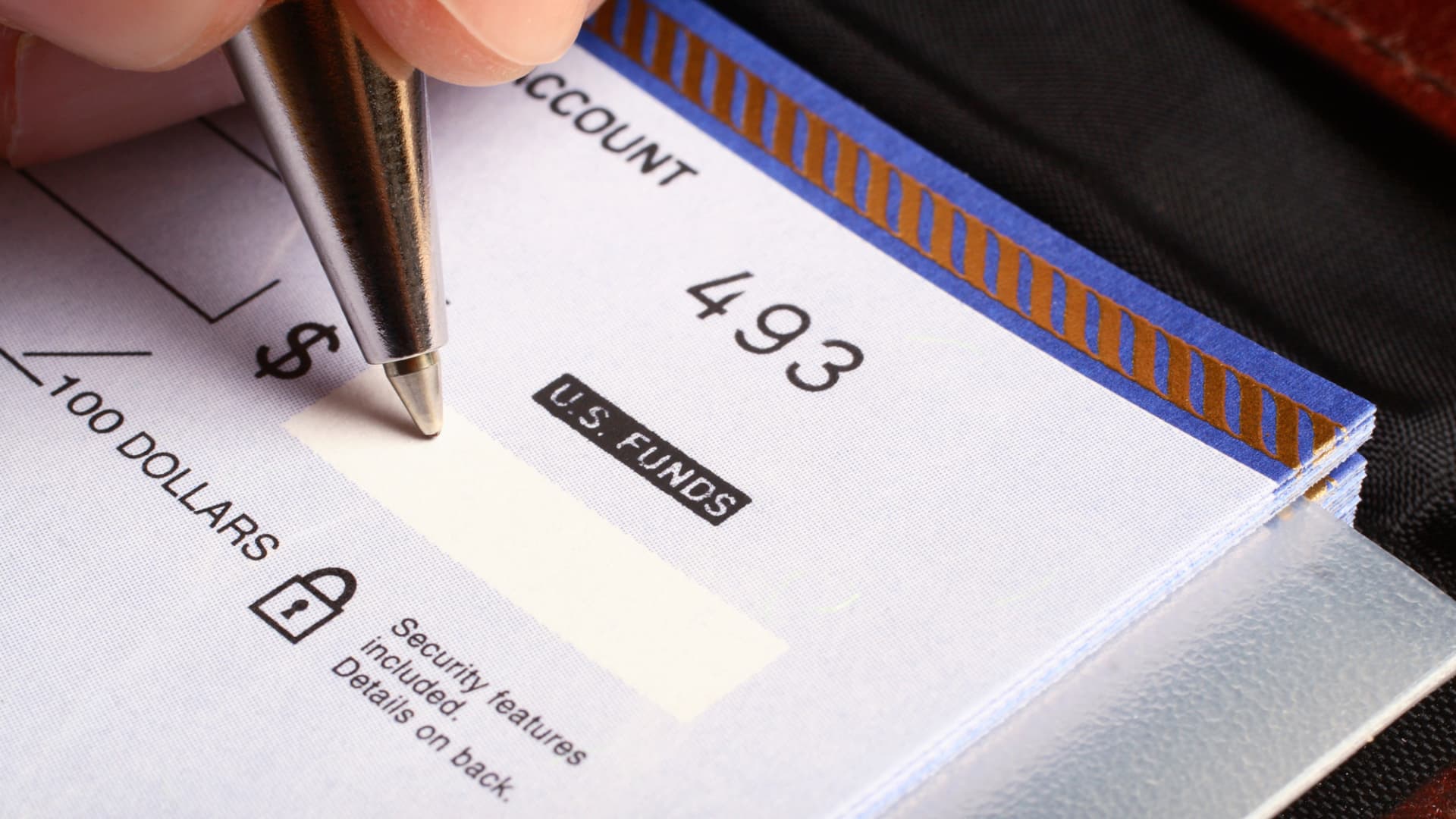
Transitioning to Digital: Understanding the Federal Shift from Paper Checks
As the federal government phases out paper checks, millions of Americans find themselves at a crossroads, pondering how this significant change will impact their finances. The transition to digital payment methods is not merely a trend; it represents a fundamental shift in how individuals receive funds from the government. In this article, we’ll delve into the implications of this transformation, discussing the benefits and challenges of going digital, and provide essential tips for navigating this new landscape.
The Shift from Paper to Digital: An Overview
In recent years, the U.S. government has made a concerted effort to eliminate paper checks in favor of digital payment systems. This initiative aims to improve efficiency, reduce costs, and enhance security in the disbursement of federal funds. As a result, recipients of Social Security benefits, tax refunds, and other government payments are being encouraged or required to adopt electronic payment methods, such as direct deposit or prepaid debit cards.
According to the U.S. Department of the Treasury, the switch to electronic payments is expected to save taxpayers billions of dollars annually by reducing the costs associated with printing and mailing checks. Additionally, this transition is designed to enhance the security of payments, as digital transactions are less susceptible to theft or loss compared to traditional paper checks.
Why the Change Matters
The move towards digital payments is significant for several reasons:
- Efficiency: Digital payments are processed faster than paper checks, meaning beneficiaries receive their funds more quickly.
- Cost-Effectiveness: Eliminating paper checks reduces printing and mailing costs, ultimately saving taxpayer money.
- Security: Digital payments reduce the risk of checks being lost, stolen, or fraudulently cashed.
- Convenience: Recipients can access their funds directly through banks or financial apps without the need to visit a physical location to cash a check.
Who Will Be Affected?
The transition to digital payments will impact a wide range of individuals, including:
- Senior Citizens: Many older adults rely on Social Security benefits, and a significant portion of this demographic may be accustomed to receiving paper checks.
- Low-Income Households: Families that depend on government assistance programs may face challenges in adapting to digital payments due to limited access to banking services.
- Taxpayers: Individuals expecting tax refunds will need to adjust their payment preferences to receive their refunds electronically.
For those who may feel apprehensive about this transition, it is crucial to understand that the shift to digital payments does not have to be daunting. Here are some steps to help ease the transition:
- Set Up Direct Deposit: If you’re eligible, setting up direct deposit is the most straightforward way to receive federal payments. You can typically do this through your bank or directly through government websites.
- Open a Bank Account: If you don’t have a bank account, consider opening one. Having a bank account not only allows you to receive direct deposits but also provides a safe place to manage your finances.
- Utilize Prepaid Debit Cards: If banking services are not an option, prepaid debit cards can serve as an alternative for receiving government payments. These cards can be used for purchases and can be reloaded with funds.
- Stay Informed: Keep up to date with information from the U.S. Treasury and other government agencies regarding the transition to digital payments. Understanding the timeline and requirements will help you prepare.
The Benefits of Going Digital
The advantages of transitioning to digital payments extend beyond mere convenience. Here’s how going digital can benefit you:
- Immediate Access to Funds: Unlike paper checks, which can take days to clear, digital payments provide immediate access to funds, allowing for better financial planning.
- Reduced Risk of Fraud: Digital payments typically come with enhanced security features such as encryption and two-factor authentication, reducing the risk of fraud.
- Environmentally Friendly: Moving away from paper checks reduces paper waste, contributing to a more sustainable future.
Challenges to Consider
While the transition to digital payments is largely beneficial, it is important to acknowledge the challenges some individuals may face:
- Digital Literacy: Not everyone is comfortable with technology. Some individuals, especially seniors, may struggle with understanding how to navigate digital platforms.
- Access to Technology: Limited access to reliable internet or smartphones can hinder the ability to receive or manage digital payments.
- Financial Exclusion: Some low-income individuals may not have access to traditional banking services, making it difficult to participate in the digital payment economy.
Conclusion: Embracing the Future of Payments
As the federal government continues to phase out paper checks, it is essential for individuals to embrace this change and adapt to the new digital payment landscape. While challenges may arise, the benefits of efficiency, security, and convenience far outweigh the drawbacks. By taking proactive steps to set up direct deposit, educate oneself about digital banking options, and leverage technology, individuals can ensure a smooth transition to receiving their federal payments electronically.
In the end, the shift from paper checks to digital payments is not just a bureaucratic change; it is an opportunity for millions of Americans to engage with their finances in a more modern and effective way. By staying informed and prepared, you can confidently navigate this transition and make the most of the new digital landscape.
See more CNBC Network