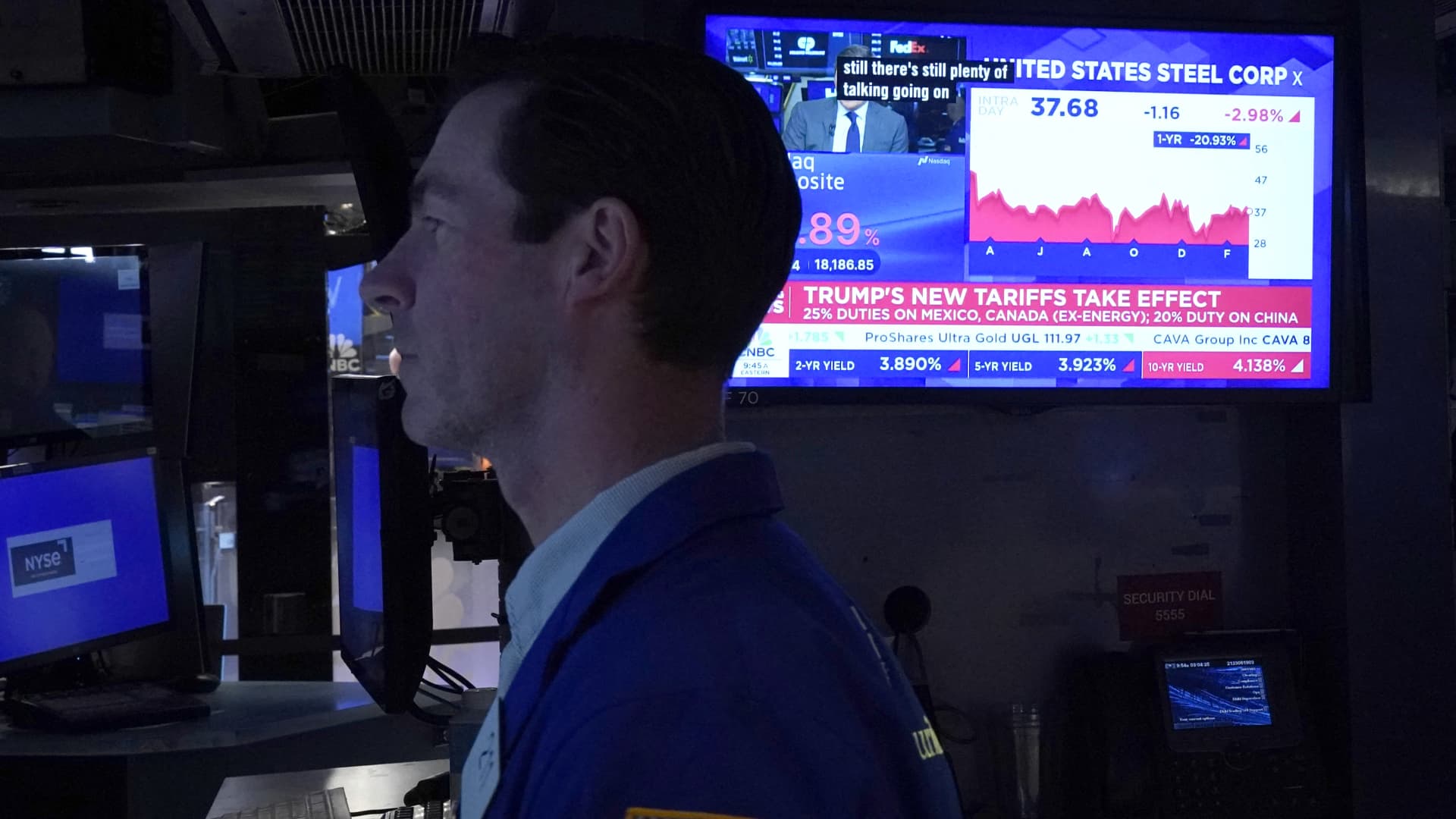
Analyzing the Dip: What Falling Treasury Yields Reveal About the U.S. Economy
Recent trends in U.S. Treasury yields have drawn significant attention from investors and economists alike. As treasury yields decline, the implications for the U.S. economy become increasingly important to understand. This shift not only influences the investment landscape but also prompts critical questions about future market stability and economic growth. In this article, we’ll explore the reasons behind falling treasury yields, what they signify for the economy, and how they might shape investment strategies moving forward.
Understanding Treasury Yields
Treasury yields are the interest rates on U.S. government bonds, which serve as a benchmark for various interest rates across the economy. When investors buy U.S. Treasury bonds, they are essentially lending money to the government in exchange for periodic interest payments and the return of the bond’s face value at maturity. The yield is inversely related to the bond’s price; when prices go up, yields go down, and vice versa.
Falling treasury yields typically signal a couple of key economic factors:
- **Increased Demand for Safe Assets**: When investors are uncertain about the economy or the stock market, they often flock to safer assets like Treasury bonds, driving up their prices and pushing yields down.
- **Expectations of Lower Economic Growth**: If the market anticipates slower economic growth, it can lead to lower interest rates, as the Federal Reserve may respond to stimulate the economy.
The Current Landscape
As of late 2023, U.S. Treasury yields have seen a notable decline, reflecting a complex interplay of economic indicators and investor sentiment. Following a period of rising yields that corresponded with fears of inflation and aggressive monetary policy tightening, the recent dip suggests a shift in outlook.
Factors Contributing to Falling Treasury Yields
Several factors have contributed to the current decline in Treasury yields:
- **Inflation Concerns**: Although inflation remains a concern, recent reports suggest that it might be stabilizing. If inflation expectations decrease, so too does the pressure for higher yields.
- **Monetary Policy Adjustments**: The Federal Reserve’s approach to interest rates plays a crucial role. As the Fed signals a more cautious stance on rate hikes, yields tend to fall as a reflection of anticipated lower rates in the near future.
- **Global Economic Uncertainty**: Turmoil in international markets and geopolitical tensions often lead investors to seek the safety of U.S. Treasuries, driving prices up and yields down.
- **Market Sentiment**: With economic indicators like employment and consumer spending showing mixed signals, investor sentiment can sway towards caution, leading to increased demand for Treasuries.
What Falling Treasury Yields Mean for the U.S. Economy
Falling treasury yields can be interpreted in a few different ways, each with distinct implications for the economy:
- **Lower Borrowing Costs**: As Treasury yields fall, so do interest rates on mortgages, car loans, and corporate borrowing. This can stimulate consumer spending and business investment, potentially aiding economic growth.
- **Signal of Economic Weakness**: On the flip side, declining yields may signal that investors expect weaker economic growth ahead. If businesses and consumers anticipate a downturn, they may curtail spending, which can lead to a self-fulfilling prophecy.
- **Impact on Stock Markets**: Lower yields can make equities more attractive relative to bonds, potentially driving stock prices higher. However, if the decline is viewed as a harbinger of economic malaise, the stock market could react negatively.
Investment Strategies in a Low-Yield Environment
For investors, falling treasury yields present both challenges and opportunities. Here are some strategies to consider:
- **Diversifying Portfolios**: With yields low, investors may seek higher returns in equities, real estate, or alternative investments. Diversification can help manage risk while pursuing growth.
- **Emphasizing Quality**: In uncertain economic times, focusing on high-quality stocks and bonds can provide some stability. Blue-chip companies with strong fundamentals may perform better than their peers.
- **Staying Informed**: Keeping abreast of economic indicators and Federal Reserve announcements can help investors anticipate market shifts. Knowledge is key in navigating a changing landscape.
Future Outlook: What Lies Ahead?
As we navigate through the implications of falling Treasury yields, looking ahead becomes essential. Key considerations include:
- **Continued Economic Monitoring**: Investors will need to watch economic indicators closely, including employment figures, inflation rates, and GDP growth. These factors will influence both Treasury yields and broader market conditions.
- **Potential Fed Actions**: The Federal Reserve’s next moves will be crucial. If they signal a shift towards rate cuts in response to weakening economic signals, we may see further declines in yields.
- **Geopolitical Factors**: Global events can impact U.S. yields as well. Investors should remain vigilant about international developments that could shift market dynamics.
Conclusion
Falling treasury yields provide a window into the current economic landscape, reflecting both investor sentiment and broader economic conditions. While they can signal potential growth through lower borrowing costs, they also raise concerns about economic stagnation. As investors reassess their outlook on the U.S. economy, it’s crucial to stay informed and adapt strategies accordingly.
In the end, the interplay between treasury yields and economic performance underscores the complexity of market dynamics. By analyzing these trends, investors can better position themselves to navigate the uncertainties of the financial landscape, ultimately aligning their strategies with the evolving economic narrative.
See more CNBC Network