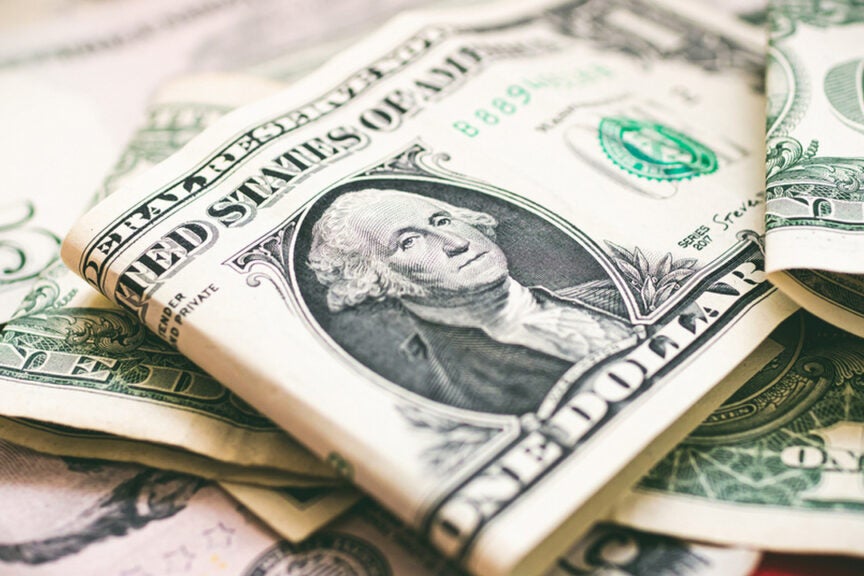
Dollar Reaches Two-Year Peak: Implications for Global Markets
The recent surge of the US dollar to a two-year high has sent shockwaves through global markets, prompting analysts and investors alike to reassess their strategies. As the dollar appreciates, its impacts resonate across various sectors, influencing everything from commodity prices to international trade dynamics. This article delves into what this significant development means for global markets, particularly focusing on the mixed responses in Asia and the downward trends observed in Europe.
The Rise of the Dollar: Understanding the Factors Behind It
Several key factors have propelled the dollar to its current peak. Primarily, the Federal Reserve’s monetary policy has played a crucial role. With interest rates rising to combat inflation, the dollar has become more attractive to investors seeking yield. Additionally, economic indicators from the United States have been relatively strong, showcasing resilience amidst global uncertainties.
- Interest Rates: Higher interest rates tend to attract foreign capital, increasing demand for the dollar.
- Economic Growth: Positive GDP growth rates and robust employment figures bolster confidence in the US economy.
- Geopolitical Stability: In times of global uncertainty, investors often flock to the dollar as a safe haven.
These factors collectively create a favorable environment for the dollar, pushing it to levels not seen in two years. However, this strength comes with its own set of consequences for global markets.
Impact on Global Markets: Asia’s Mixed Responses
As the dollar reaches its two-year peak, markets across Asia have shown mixed reactions. Countries heavily reliant on exports may find themselves at a disadvantage. A stronger dollar typically means that local currencies depreciate, making exports more expensive for foreign buyers.
- Japan: The Japanese yen has weakened significantly, impacting Japan’s export-driven economy. This could lead to increased costs for imported goods, raising inflationary pressures.
- China: China’s trade dynamics may also be affected. A stronger dollar could potentially dampen demand for Chinese exports, which are priced in USD, affecting their trade balance.
- India: Conversely, a weaker rupee can boost India’s export competitiveness. However, it may also escalate the costs of imported crude oil, impacting inflation.
Overall, while some Asian markets might benefit from the dollar’s strength, others face significant challenges. The divergent responses underscore the complexity of global trade in the context of a strong dollar.
In Europe, the dollar’s ascent has contributed to a downward trend in various markets. The European Central Bank (ECB) has been grappling with its own economic challenges, including sluggish growth and persistent inflation. As the dollar strengthens, the euro has weakened, which poses several risks to the European economy.
- Inflationary Pressures: A weaker euro can lead to higher import costs, exacerbating inflation and forcing the ECB to reconsider its monetary policies.
- Investment Flows: Investors may shift their focus to the US for better returns, leading to capital outflows from Europe.
- Trade Deficits: A strong dollar makes US goods cheaper abroad, potentially widening trade deficits for European countries.
These factors create a precarious situation for European markets, necessitating strategic adjustments to navigate the shifting landscape.
Commodities and the Dollar: A Double-Edged Sword
The dollar’s strength also has significant implications for commodity prices. Since commodities are typically priced in dollars, a stronger dollar can lead to lower prices for these goods. This has a twofold effect:
- Lower Oil Prices: A rising dollar often correlates with falling oil prices, which can benefit consumers but hurt oil-exporting nations.
- Impact on Gold: Traditionally seen as a hedge against inflation, gold prices tend to fall when the dollar strengthens, as investors opt for the more stable currency over gold.
For investors in commodities, this dynamic presents both challenges and opportunities. Those with a diversified portfolio may find ways to hedge against these fluctuations, while others may need to recalibrate their strategies in response to the dollar’s movements.
Future Outlook: Strategies for Investors and Traders
As the dollar reaches a two-year peak, investors must be proactive in reassessing their strategies. Here are some considerations for navigating this evolving landscape:
- Diversification: Consider diversifying investments across different asset classes and geographical regions to mitigate risks associated with currency fluctuations.
- Focus on Safe Havens: In uncertain times, assets like US Treasury bonds may provide stability and yield.
- Monitor Economic Indicators: Keeping an eye on US economic data and Federal Reserve announcements can provide insight into future dollar movements.
Ultimately, the dollar’s rise presents both challenges and opportunities. Investors who remain informed and agile will be better positioned to navigate the complexities of the global market.
Conclusion: Embracing Change in a Dynamic Market
The rise of the dollar to a two-year peak signals a significant shift in global economic dynamics. As markets in Asia react differently, and Europe grapples with its challenges, the implications for global trade and investment strategies are profound. This evolving landscape requires stakeholders to remain vigilant, flexible, and informed to successfully adapt to the changes ahead.
As we move forward, understanding the intricacies of currency fluctuations and their wider impacts will be crucial for investors, policymakers, and businesses alike. The dollar’s ascent is not merely a financial statistic but a reflection of broader economic trends that shape our global marketplace.
See more CNBC Network