Dipping into Dread: Understanding the Crypto Fear and Greed Index
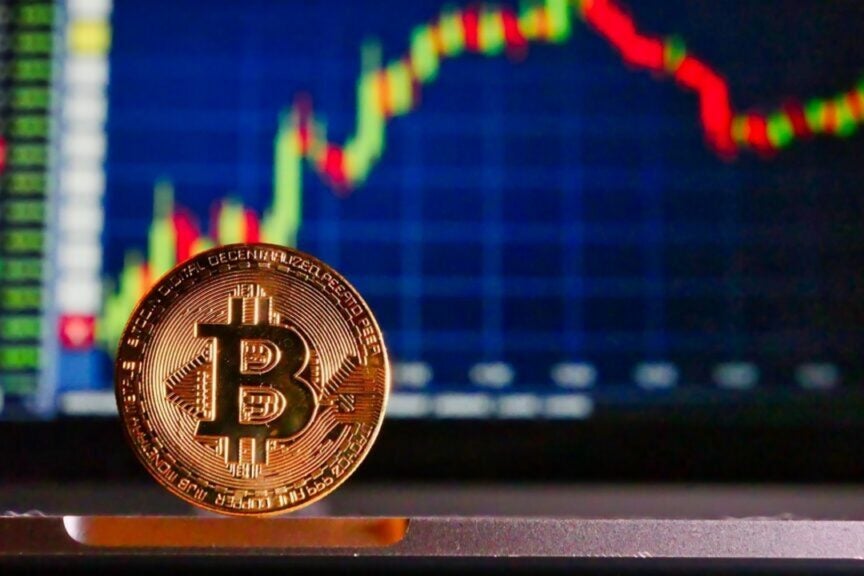
As Bitcoin struggles to maintain its footing below $92,000, the Crypto Fear and Greed Index has reached its lowest point since October. This downturn reflects a broader sentiment of uncertainty and apprehension in the cryptocurrency market. With significant losses in popular cryptocurrencies like Dogecoin and Shiba Inu, investors are left grappling with questions about the future of digital assets.
The Current State of Bitcoin
Bitcoin, the flagship cryptocurrency, has long been a barometer for the health of the entire crypto market. Its recent decline has shaken investor confidence, causing a ripple effect across various digital assets. The decline below the $92,000 mark has not only affected Bitcoin but has also triggered a wave of fear among traders and investors alike. The Crypto Fear and Greed Index, which measures market sentiment based on volatility, market momentum, social media activity, and surveys, is now reflecting this climate of fear.
What is the Crypto Fear and Greed Index?
The Crypto Fear and Greed Index is a useful tool for gauging market sentiment. It operates on a scale from 0 to 100, where:
- 0-24: Extreme Fear
- 25-49: Fear
- 50-74: Greed
- 75-100: Extreme Greed
As of now, the index has plummeted into the Extreme Fear category, signaling a significant shift in sentiment. This drastic drop indicates that investors are highly risk-averse, likely leading to decreased trading volumes and a reluctance to invest in new positions.
Why is the Index Plummeting?
The reasons behind the plummeting Crypto Fear and Greed Index can be attributed to several interrelated factors:
- Market Volatility: Cryptocurrencies are notorious for their volatility. Recent fluctuations in Bitcoin’s price have further exacerbated fears among investors.
- Regulatory Concerns: Governments around the world are tightening regulations around cryptocurrencies, leading to uncertainty about the future of digital assets.
- Market Sentiment: Negative news, such as potential hacks, scams, or major sell-offs, can quickly spread through social media, influencing the sentiment and driving the index down.
- Global Economic Factors: Broader economic concerns, such as inflation rates and economic stability, can impact investor confidence in riskier assets like cryptocurrencies.
Impact on Altcoins: Dogecoin and Shiba Inu
The fear gripping the Bitcoin market has extended to other cryptocurrencies, notably Dogecoin and Shiba Inu. Both coins have seen significant declines in their market value. Dogecoin, originally created as a meme, has faced challenges in sustaining its popularity and price amidst the broader market downturn.
Shiba Inu, often referred to as a ‘Dogecoin killer,’ has also struggled to maintain its momentum. The sharp declines in these altcoins highlight the interconnectedness of the crypto market. When Bitcoin falters, many altcoins follow suit, leading to widespread losses.
Investing during a period of extreme fear can be daunting, but it also presents unique opportunities. Here are some strategies to consider:
- Dollar-Cost Averaging: Rather than attempting to time the market, consider investing a fixed amount regularly. This strategy can help mitigate the impact of volatility.
- Research and Long-Term Perspective: Focus on fundamental research rather than short-term price movements. Understand the technology and use cases behind the cryptocurrencies you invest in.
- Diversification: Spread your investments across various assets to reduce risk. This can provide a buffer against sudden downturns in any single asset.
- Stay Informed: Keep an eye on market trends, news, and regulatory changes. Being informed can help you make better choices.
Potential Recovery: Can Bitcoin Bounce Back?
Despite the current climate of fear, history has shown that Bitcoin and the cryptocurrency market have an uncanny ability to recover from downturns. Factors that may contribute to a potential rebound include:
- Increased Adoption: As more businesses and individuals start accepting cryptocurrencies, demand could drive prices up, creating a more bullish sentiment.
- Technological Advancements: Innovations in blockchain technology and improvements in transaction speed and security could bolster confidence in cryptocurrencies.
- Institutional Investment: As more institutional investors enter the market, their capital could stabilize prices and support recovery.
- Market Cycles: The cryptocurrency market is known for its cycles of boom and bust. Investors often see recoveries following significant downturns.
Conclusion: The Resilience of the Crypto Market
As we navigate through these turbulent times, it’s essential to remember that the cryptocurrency market has experienced many highs and lows in its relatively short history. The current decline in Bitcoin’s price and the accompanying drop in the Crypto Fear and Greed Index serve as reminders of the market’s inherent volatility.
While the sentiment may be grim, it’s crucial for investors to remain calm, informed, and strategic. The principles of sound investment—research, diversification, and a long-term outlook—will serve investors well in these uncertain times. History suggests that resilience often follows fear, and for those willing to weather the storm, opportunities may await just around the corner.
See more CNBC Network