Homeowners Across the Nation Grapple with Rising Insurance Costs Amid Climate Crisis
As the effects of climate change become increasingly evident, homeowners across the nation are grappling with rising insurance costs. From devastating wildfires in California to catastrophic hurricanes in Florida, the impacts of climate change are reshaping the landscape of home insurance. This surge in premiums not only raises concerns about affordability but also underscores the urgent need for adaptive measures to mitigate climate-related risks. Understanding this complex issue is crucial as we navigate the uncertain waters of climate change and its implications for homeowners.
The Climate Crisis and Its Direct Impact on Insurance Costs
The relationship between climate change and insurance premiums is direct and undeniable. Insurance companies assess risk based on a variety of factors, including historical data, geographic location, and environmental conditions. As extreme weather events become more frequent and severe, insurers are compelled to reevaluate the risks associated with specific areas. Here’s how climate change is driving up insurance costs:
- Increased Frequency of Natural Disasters: Homeowners in regions prone to hurricanes, floods, or wildfires are seeing staggering increases in their premiums. For instance, areas in the Gulf Coast have reported insurance hikes of over 20% in recent years.
- Higher Rebuilding Costs: As the cost of materials and labor rises, so too does the cost of rebuilding homes after disasters. This, in turn, affects the coverage amounts insurers must offer, resulting in higher premiums.
- Changing Risk Models: Insurance companies are increasingly relying on sophisticated modeling techniques to predict future risks. These models often reveal that many areas previously deemed low-risk are now at higher risk due to changing climate patterns.
Regional Variations in Insurance Costs
The impact of rising insurance costs is not uniform across the country. Different regions are experiencing varying degrees of increase, often based on their unique vulnerabilities to climate change. Here’s a breakdown of how different areas are affected:
West Coast: Wildfire Risks
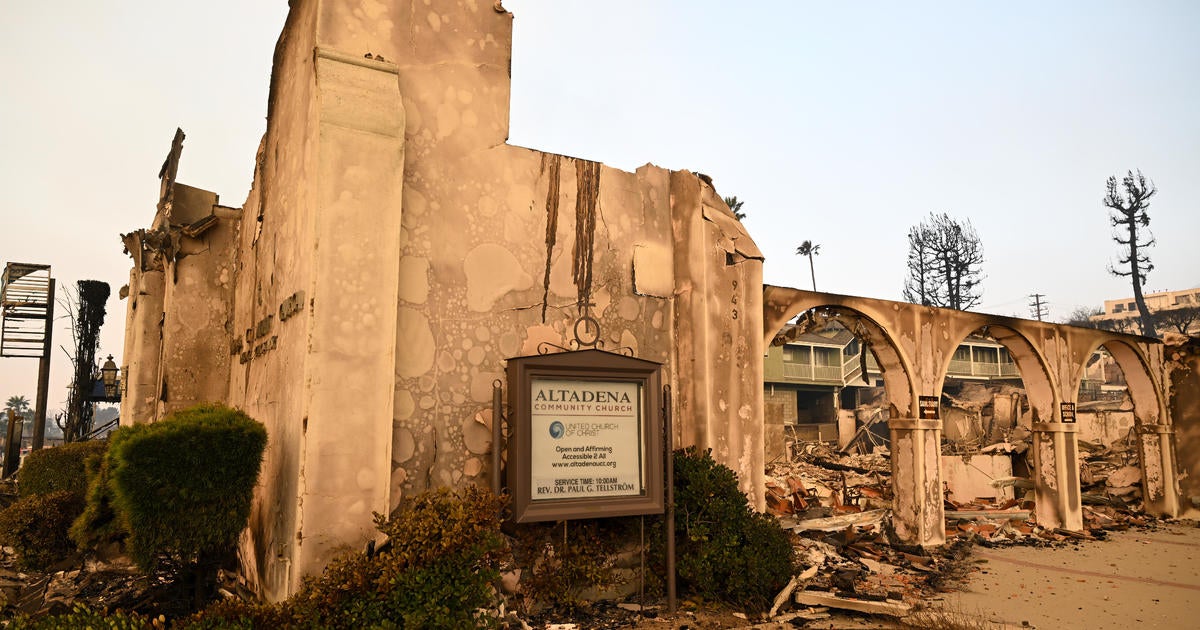
In states like California, homeowners are facing dramatic increases in their insurance premiums due to the escalating threat of wildfires. After some of the most devastating fire seasons in history, insurers have begun to withdraw coverage from high-risk areas altogether, leaving homeowners scrambling for alternatives.
South: Hurricane Threats
The Gulf Coast and Southeastern states are also feeling the pinch as hurricanes become more intense. Homeowners in Florida, for example, have seen their premiums rise significantly, and some have opted to forego insurance altogether, risking their financial stability in the event of a disaster.
Midwest: Flooding Concerns
Midwestern homeowners are grappling with flooding, which has become more common due to heavy rainfall and melting snow. Insurers are adjusting their rates to reflect the increased likelihood of water damage, often leading to higher premiums for homeowners in flood-prone areas.
The Burden of Rising Costs
The consequences of rising insurance costs are far-reaching, impacting not only individual homeowners but also entire communities. Here are some of the burdens homeowners are facing:
- Affordability Issues: Many families are struggling to afford their insurance premiums, which can consume a significant portion of their budget. This is especially troubling for low- to middle-income families who may already be living paycheck to paycheck.
- Reduction in Coverage: In an effort to manage costs, some homeowners are opting for reduced coverage or higher deductibles, which can leave them vulnerable in the event of a disaster.
- Market Instability: As insurers withdraw from high-risk areas, homeowners may find it challenging to secure insurance altogether, leading to market instability and uncertainty.
Strategies for Homeowners to Mitigate Rising Costs
While the situation may seem dire, there are several proactive steps homeowners can take to mitigate the impact of rising insurance costs:
1. Increase Home Resilience
Investing in home improvements that enhance resilience against climate-related risks can help lower insurance premiums. This may include:
- Installing storm shutters or impact-resistant windows.
- Reinforcing roofs to withstand strong winds.
- Using fire-resistant materials for landscaping and home exteriors.
2. Shop Around for Insurance
Homeowners should regularly compare insurance providers to find the best rates and coverage options. Some insurers offer discounts for homes equipped with safety features or those located in low-risk areas.
3. Consider Flood Insurance
Given the increasing prevalence of flooding, it may be wise for homeowners, especially in flood-prone areas, to invest in additional flood insurance. Standard homeowners insurance typically does not cover flood damage, so this separate policy can provide valuable protection.
4. Engage with Local Advocacy Groups
Many communities have organizations dedicated to advocating for affordable insurance options and climate resilience initiatives. Joining these groups can connect homeowners with resources and support in navigating rising insurance costs.
Looking Ahead: The Future of Home Insurance
The rising insurance costs driven by the climate crisis represent a challenge that homeowners cannot ignore. However, there is a glimmer of hope as more insurance companies begin to adapt their models to reflect the realities of climate change. Innovations in insurance products, such as parametric insurance, are emerging, providing coverage based on predetermined conditions rather than traditional assessments.
Moreover, as awareness grows regarding climate risks, there is a push for policy changes at both the state and federal levels. Legislators are increasingly discussing initiatives aimed at improving building codes, expanding funding for climate resilience projects, and enhancing the availability of affordable insurance products.
Conclusion
Homeowners across the nation are indeed grappling with rising insurance costs amid the climate crisis, which poses a significant challenge to affordability and protection. However, by taking proactive steps and advocating for change, individuals can mitigate these rising costs and contribute to a more resilient future. The dialogue surrounding climate change and insurance is evolving, and with it comes the opportunity for innovation and reform. Together, we can navigate these challenges and work towards a more sustainable and secure environment for all homeowners.
See more CNBC Network