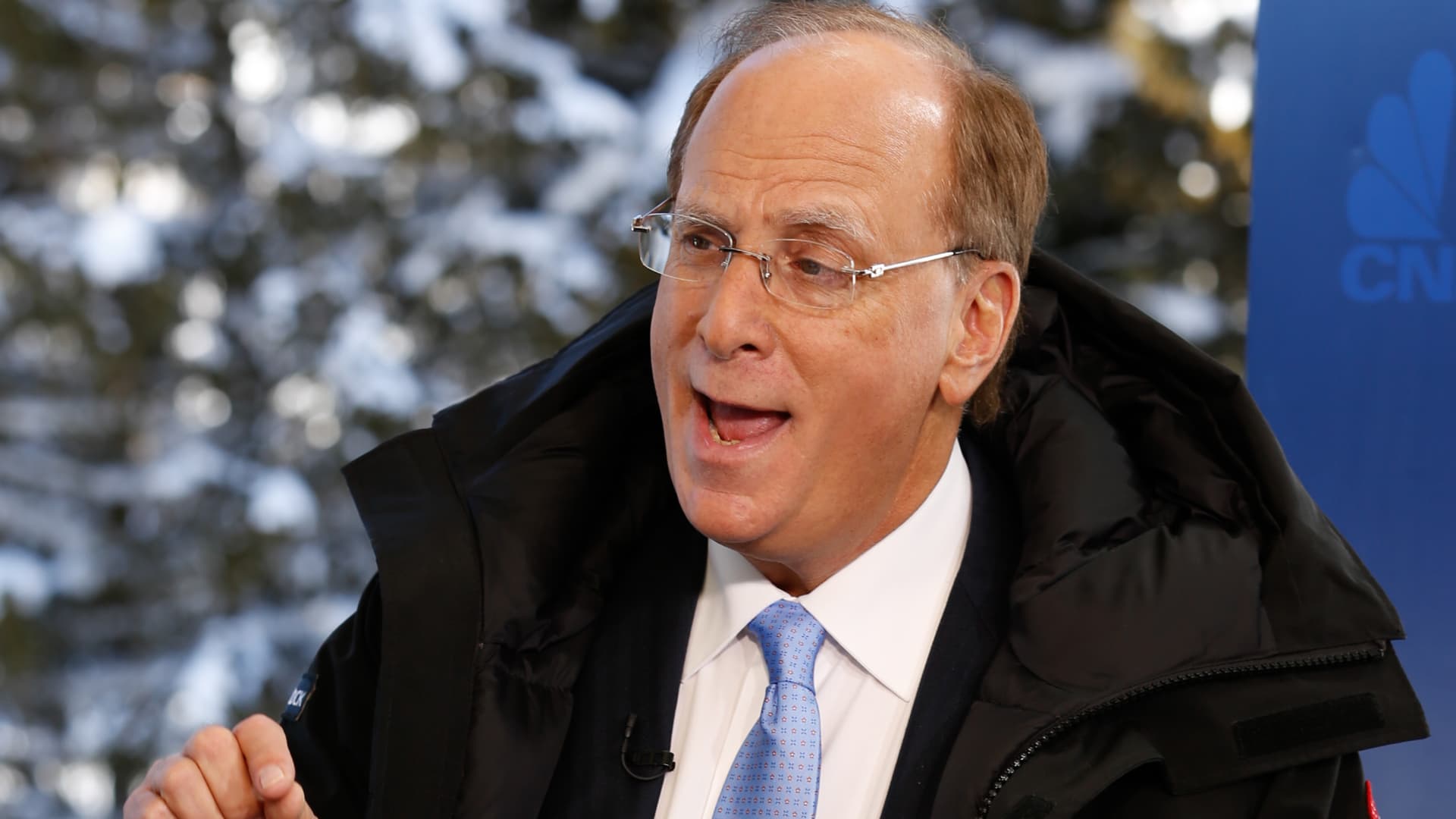
In a world increasingly characterized by volatility and unpredictability, investors are constantly searching for reliable indicators to guide their financial decisions. Recently, BlackRock CEO Larry Fink emphasized the pivotal role of the bond market in navigating these uncertain times. His insights provide a fresh perspective on how bond market signals can offer critical information regarding economic direction, thereby shaping investment strategies for both seasoned and novice investors alike.
Understanding the Bond Market’s Role
The bond market, often viewed as a more stable investment avenue compared to equities, is a vital component of the global financial landscape. Bonds, essentially loans made by investors to borrowers (which can include governments and corporations), are generally perceived as safer investments. However, their performance can be influenced by numerous factors, including interest rates, inflation, and overall economic conditions.
Fink’s recent comments underline a crucial observation: the bond market serves as a barometer for investor sentiment and economic health. When bond prices rise, yields typically fall, indicating that investors are seeking safety amidst uncertainty. Conversely, rising yields can signal confidence in economic growth, leading investors to favor riskier assets.
The Current Economic Landscape
As of late 2023, the global economy is grappling with a myriad of challenges, including inflationary pressures, geopolitical tensions, and a potential recession. Central banks worldwide have been adjusting interest rates in an effort to combat inflation, which adds another layer of complexity for investors.
Fink warns that these economic uncertainties can create risks for investors, particularly those heavily invested in equities. In such an environment, the bond market signals can be instrumental in guiding investment decisions. For example, a flattening yield curve—where long-term yields drop closer to short-term yields—often heralds an economic slowdown. Investors should pay close attention to these signals, as they can indicate when it’s prudent to shift investment strategies away from equities to bonds.
Investment Strategies in a Volatile Market
Given the current economic climate, Fink advocates for a diversified approach to investing. Here are several strategies that investors might consider:
- Balanced Portfolios: Maintaining a mix of equities and bonds can help mitigate risk. Bonds can provide a cushion during periods of stock market volatility.
- Focus on Quality: Investing in high-quality bonds, such as government securities or bonds from financially stable corporations, can offer more security than riskier corporate bonds.
- Duration Management: Adjusting the duration of bond holdings can help investors respond to interest rate changes. Shorter-duration bonds are less sensitive to interest rate fluctuations.
- Global Diversification: Exploring international bonds can provide exposure to different economic conditions and currency movements, potentially enhancing returns.
Interpreting Bond Market Signals
To effectively navigate uncertainty, it’s essential for investors to interpret bond market signals accurately. Here are some key indicators to watch:
- Yield Curve: As mentioned earlier, a normal yield curve slopes upward, indicating higher yields for longer maturities. An inverted yield curve, where short-term yields exceed long-term yields, can signal a recession.
- Credit Spreads: The difference between yields on corporate bonds and government bonds can indicate market confidence. Widening spreads may suggest increased risk aversion among investors.
- Inflation Expectations: Bond prices often reflect investor expectations regarding inflation. Rising inflation expectations can lead to higher bond yields as investors demand more return for the increased risk.
The Psychological Aspect of Investing
Fink’s insights also touch upon the psychological aspects of investing. In uncertain times, fear and greed can drive market movements, often leading to irrational decisions. Understanding the emotional side of investing is crucial for maintaining a disciplined approach. Here are some tips to manage emotions:
- Set Clear Goals: Having well-defined investment goals can provide clarity and focus, helping investors stick to their strategies during market fluctuations.
- Stay Informed: Knowledge is power. Keeping abreast of market trends and economic indicators can help investors make informed decisions rather than emotional ones.
- Consult Professionals: Engaging with financial advisors or investment professionals can provide valuable insights and help navigate complex market environments.
Looking Ahead: The Future of Bond Investments
As we move into 2024, the bond market will likely continue to play a vital role in shaping investment strategies. With the Federal Reserve and other central banks navigating the delicate balance between controlling inflation and supporting economic growth, bond investors must remain vigilant.
Fink’s emphasis on the bond market as a critical signal underscores the importance of adaptability in investment strategies. Investors who can read the signals provided by the bond market will be better positioned to capitalize on opportunities, regardless of economic conditions.
Conclusion
Navigating uncertainty in the investment landscape requires a keen understanding of market signals, particularly those emanating from the bond market. Larry Fink’s insights serve as a reminder of the importance of staying informed and adaptable amidst changing economic tides. By paying close attention to bond market signals, diversifying portfolios, and managing emotional responses, investors can not only weather the storms of uncertainty but potentially thrive in them.
In these unpredictable times, the bond market stands as a beacon, guiding investors through the fog of uncertainty. The key lies in recognizing its signals and responding with informed, strategic actions that align with long-term financial goals.
See more CNBC Network