Avoid the Audit: Essential Forms You Can’t Afford to Miss on Your Tax Return
Tax season can be a daunting time for many individuals, especially with the fear of an audit looming over their heads. Experts warn that missing crucial forms on your tax return could lead to an audit, which can be a stressful and time-consuming process. To help you navigate this landscape, we’ve compiled a comprehensive guide on the essential forms you can’t afford to miss when filing your taxes. By being proactive and organized, you can ensure a smooth filing process and avoid the dreaded audit.
Understanding the Importance of Accurate Tax Filing
Filing your taxes accurately is not just about fulfilling your legal obligations; it’s also about protecting your financial well-being. A single mistake or omission can trigger an audit, potentially exposing you to penalties, interest, and even legal consequences. Therefore, understanding what forms are necessary for your specific situation is crucial. Let’s break down some of the key forms that you need to include in your tax return.
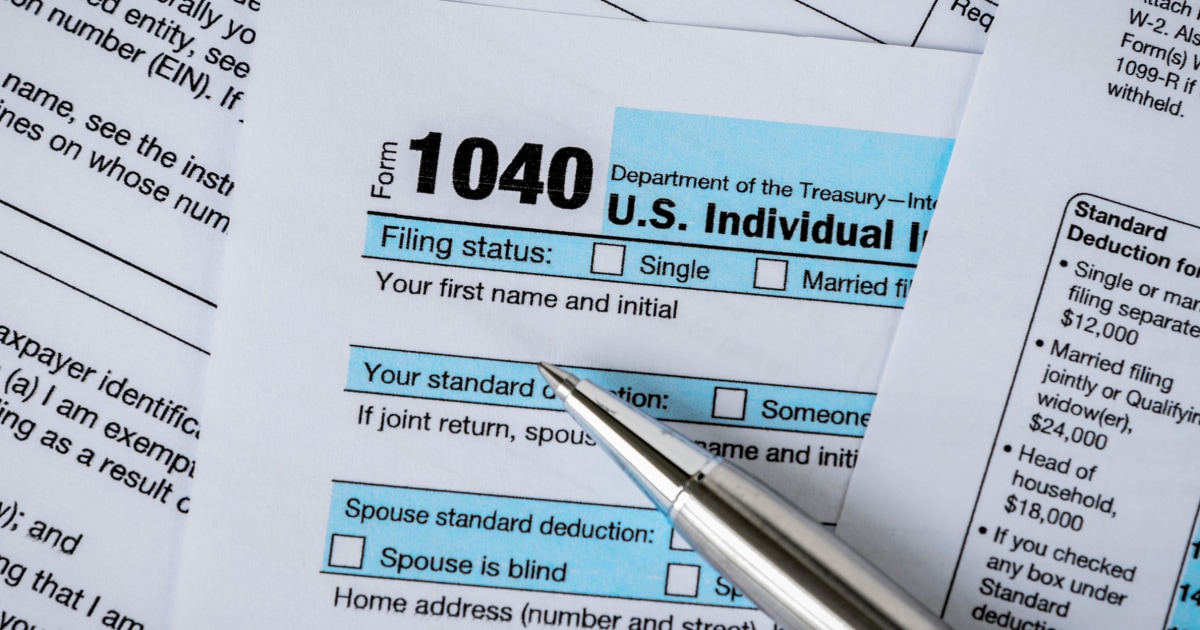
1. Form 1040: The Backbone of Your Tax Return
The Form 1040 is the standard individual income tax return form used by the IRS. It’s the foundation upon which your tax return is built. Whether you’re a freelancer, a salaried employee, or a business owner, you’ll need to file Form 1040. Here are a few essential points about this form:
- Filing Status: Your filing status affects your tax rate and eligibility for various credits. Be sure to select the correct status, such as Single, Married Filing Jointly, or Head of Household.
- Income Reporting: Report all sources of income, including wages, self-employment income, dividends, and interest. Missing any income can raise red flags with the IRS.
- Deductions and Credits: Be aware of the deductions and credits available to you. These can significantly reduce your tax liability.
2. W-2 Forms: For Employees
If you’re employed, you’ll receive a W-2 Form from your employer, detailing your earnings and the taxes withheld throughout the year. This form is vital as it provides proof of income and withholding. Here’s what to keep in mind:
- Verify Information: Ensure that all information on your W-2 is accurate, including your Social Security number and your employer’s identification number.
- Multiple W-2s: If you’ve worked for more than one employer throughout the year, you’ll need to include all W-2s when filing your taxes.
3. 1099 Forms: For Freelancers and Independent Contractors
For those who are self-employed or work as independent contractors, 1099 Forms are crucial. These forms report various types of income that are not reported on a W-2. Here are the most common types:
- Form 1099-MISC: Used to report miscellaneous income, typically for payments made to independent contractors.
- Form 1099-NEC: Specifically for reporting nonemployee compensation, which is essential for freelancers.
Just like with W-2s, ensure you report all income from 1099 forms accurately to avoid discrepancies that could lead to an audit.
4. Schedule C: For Business Owners
If you’re running a business, Schedule C is necessary to report your income and expenses. This form is submitted alongside your Form 1040. Here are some important aspects of Schedule C:
- Income Reporting: Document all income earned from your business activities.
- Deductible Expenses: You can deduct various business expenses, such as office supplies, travel costs, and advertising. Keep thorough records to support these deductions.
Additional Essential Forms to Consider
While the above forms are foundational, there are additional forms that may be necessary depending on your unique tax situation.
5. Form 8862: For Claiming the Earned Income Tax Credit
If you’ve previously been denied the Earned Income Tax Credit (EITC), you’ll need to file Form 8862 to claim the credit in subsequent years. This form allows you to demonstrate your eligibility.
6. Form 8889: For Health Savings Accounts (HSAs)
If you have an HSA, you must file Form 8889 to report contributions and distributions. This form ensures you’re compliant with IRS rules regarding HSAs and helps you take advantage of tax benefits.
7. State Tax Forms
Don’t forget about state taxes! Each state has its own forms and requirements, which can vary significantly from federal requirements. Make sure to check your state’s tax website for specific forms that need to be filed alongside your federal return.
Tips for Avoiding Common Mistakes
Now that you know the essential forms to include in your tax return, here are some tips to help you avoid common mistakes that could lead to an audit:
- Double-Check Your Math: Simple calculation errors can lead to discrepancies. Use tax software or a calculator to ensure accuracy.
- Keep Good Records: Maintain organized records of income, expenses, and all relevant documentation. This will make the filing process smoother and easier.
- File Electronically: Consider e-filing your return as it often reduces the chances of errors and expedites processing times.
Conclusion: Stay Prepared and Informed
Filing your taxes doesn’t have to be an overwhelming experience. By understanding the essential forms and taking proactive steps to ensure accuracy, you can avoid the audit and enjoy peace of mind during tax season. Make sure to review your financial situation annually, stay informed about any changes in tax laws, and consult with a tax professional if you have questions or concerns. Remember, preparation is key, and avoiding the audit starts with submitting a complete and accurate tax return.
See more CNBC Network