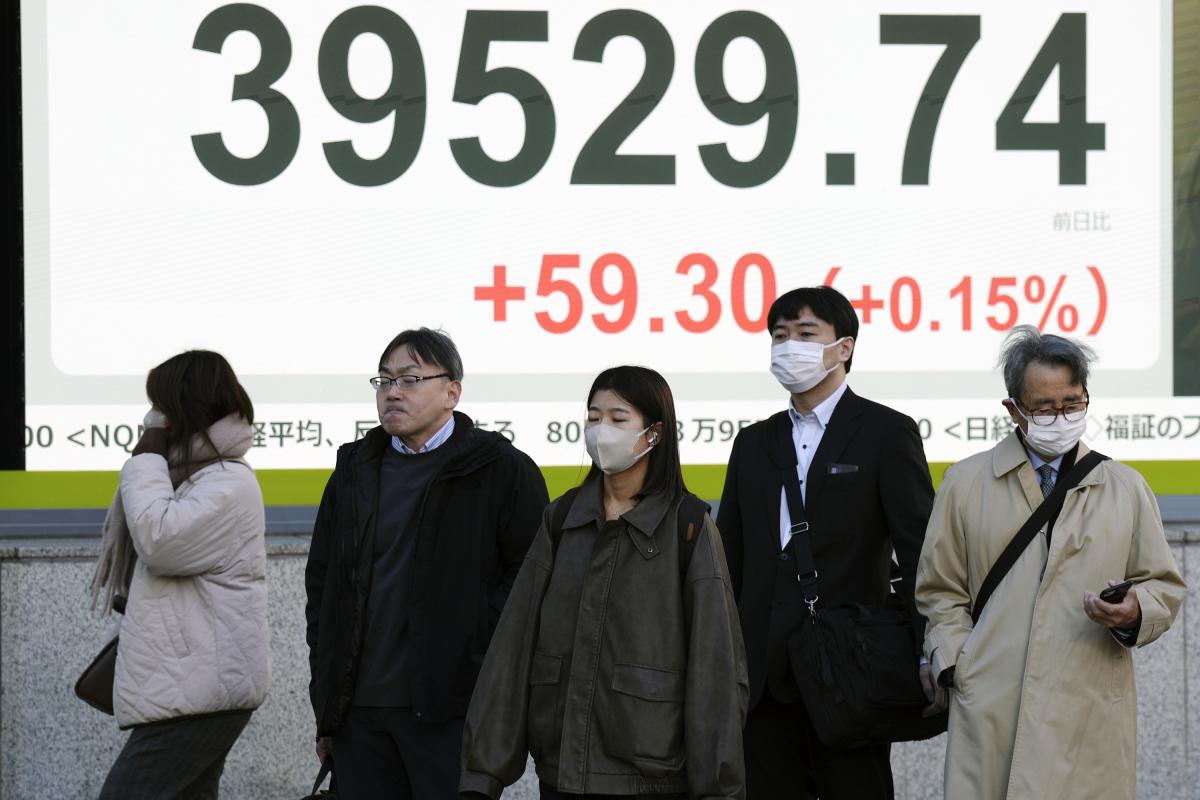
Asian Market Turmoil Amidst China’s Economic Uncertainty
In a day marked by sharp fluctuations and investor apprehension, Asian markets have taken a significant hit following the release of disappointing economic data from China. This decline starkly contrasts with the surging Bitcoin market, which has recently reached new all-time highs. This article will explore the implications of China’s economic reports on regional markets, the dynamics driving Bitcoin’s rise, and what these trends could mean for global investors.
The State of the Asian Markets
Today, Asian shares faced a notable downturn, with major indices such as the Nikkei 225 in Japan, the Hang Seng Index in Hong Kong, and the Shanghai Composite Index in China all experiencing declines. The downturn was primarily attributed to a series of economic indicators from China that raised alarms among investors:
- Manufacturing Slowdown: China’s manufacturing Purchasing Managers’ Index (PMI) fell below the critical threshold of 50, indicating contraction within the sector.
- Weak Consumer Spending: Retail sales data showed a significant slowdown, with growth rates falling below expectations, suggesting a lack of consumer confidence.
- Investment Declines: Fixed asset investment growth has also shown signs of deterioration, particularly in real estate and infrastructure, sectors that are crucial for China’s economic stability.
These factors collectively painted a grim picture of the Chinese economy, which is pivotal for the Asian and global economies. As China grapples with post-pandemic recovery challenges, concerns about its economic health have led to increased volatility in Asian stock markets.
Bitcoin’s Ascent: A Contrasting Narrative
While traditional markets faced pressures, Bitcoin has been enjoying a remarkable rally, reaching unprecedented highs. Several factors contribute to this surge:
- Institutional Adoption: More institutional investors are recognizing Bitcoin as a legitimate asset class, driving demand and pushing prices higher.
- Inflation Hedge: In light of global inflation concerns, many investors view Bitcoin as a hedge against currency devaluation, similar to gold.
- Technological Developments: Innovations such as the Lightning Network and advancements in blockchain technology have enhanced Bitcoin’s usability, attracting more users.
Additionally, Bitcoin’s limited supply ensures that as demand increases, prices are likely to rise, further fueling investor interest. The cryptocurrency market’s inherent volatility, paired with its potential for high returns, continues to attract both retail and institutional investors alike.
The Broader Implications of Economic Divergence
The divergence between the struggling Asian markets and the booming cryptocurrency sector raises several questions about the future of investment strategies:
Impact on Regional Economies
The economic slowdown in China not only affects its own markets but also has ripple effects across Asia. Countries that have strong trade ties with China, such as Japan, South Korea, and members of the ASEAN bloc, may experience economic slowdowns as demand for exports weakens.
- Export-Dependent Economies: Nations reliant on Chinese demand for raw materials and goods may find their growth prospects dimmed.
- Investor Sentiment: Continued negative economic indicators from China could lead to a broader risk-off sentiment among global investors, impacting various asset classes.
Shift in Investment Strategies
The contrasting performance of Bitcoin could suggest a shift in investment strategies among market participants. As traditional markets face uncertainty, investors may increasingly allocate funds into alternative assets like cryptocurrencies. This trend might lead to:
- Diversification: Investors might seek to diversify their portfolios to mitigate risks associated with traditional markets.
- Increased Regulatory Scrutiny: As more funds flow into cryptocurrencies, regulatory bodies may impose stricter regulations, impacting market dynamics.
The Future of Bitcoin and Asian Markets
Looking ahead, several factors will play a crucial role in shaping the future of both Bitcoin and Asian markets:
For Bitcoin
The sustainability of Bitcoin’s rise will depend on:
- Market Sentiment: Continued positive sentiment and broader acceptance will be vital for maintaining momentum.
- Technological Advances: Ongoing improvements in blockchain technology could enhance Bitcoin’s appeal and performance.
- Global Regulatory Environment: The regulatory landscape will significantly influence Bitcoin’s adoption and market stability.
For Asian Markets
Asian markets will need to navigate several challenges, including:
- Economic Policy Adjustments: Governments might need to implement stimulus measures to boost consumer confidence and spending.
- Global Economic Conditions: Fluctuations in global economic conditions, especially in major economies like the U.S. and Europe, will impact trade and investment in Asia.
Conclusion
The current state of Asian markets and the rise of Bitcoin reflect a complex interplay of economic indicators and investor sentiment. As China’s economic data raises concerns, the contrasting surge in Bitcoin highlights shifting investment priorities in the face of uncertainty. Investors will need to remain vigilant, adapting their strategies to navigate this dynamic financial landscape. The coming months will be critical in determining whether the trends observed today are temporary fluctuations or indicative of longer-term shifts in the global economy.
See more CNBC Network