In the fast-paced and often unpredictable world of financial markets, seasoned investors and market strategists often draw on historical events to guide their decisions. One such individual is Art Cashin, a veteran Wall Street trader who has weathered numerous market storms throughout his career. Perhaps one of the most formative experiences in Cashin’s career came from his firsthand observations during the Cuban Missile Crisis of 1962. This moment in history, which brought the world to the brink of nuclear war, also had profound implications for financial markets—implications that continue to shape Cashin’s approach to navigating market volatility today.
The Cuban Missile Crisis: A Defining Moment for Financial Markets
The Cuban Missile Crisis was a geopolitical standoff between the United States and the Soviet Union, lasting from October 16 to October 28, 1962. It was a tense and volatile period that not only threatened global security but also rattled financial markets across the globe. While the situation ultimately de-escalated without major conflict, the crisis underscored how unpredictable events could create massive uncertainty for investors.
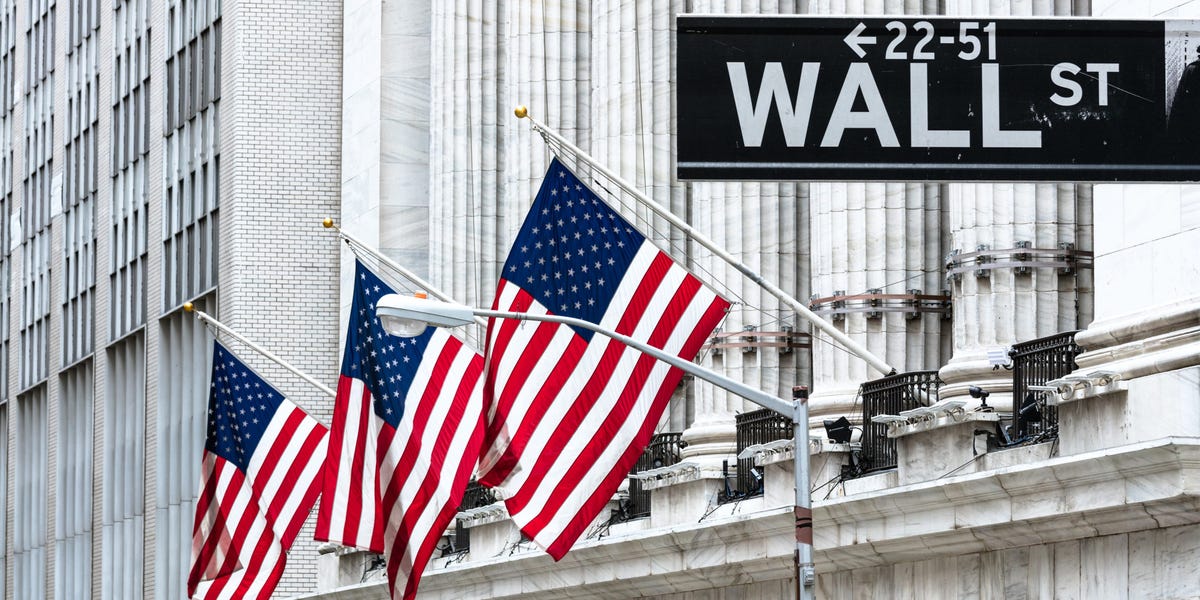
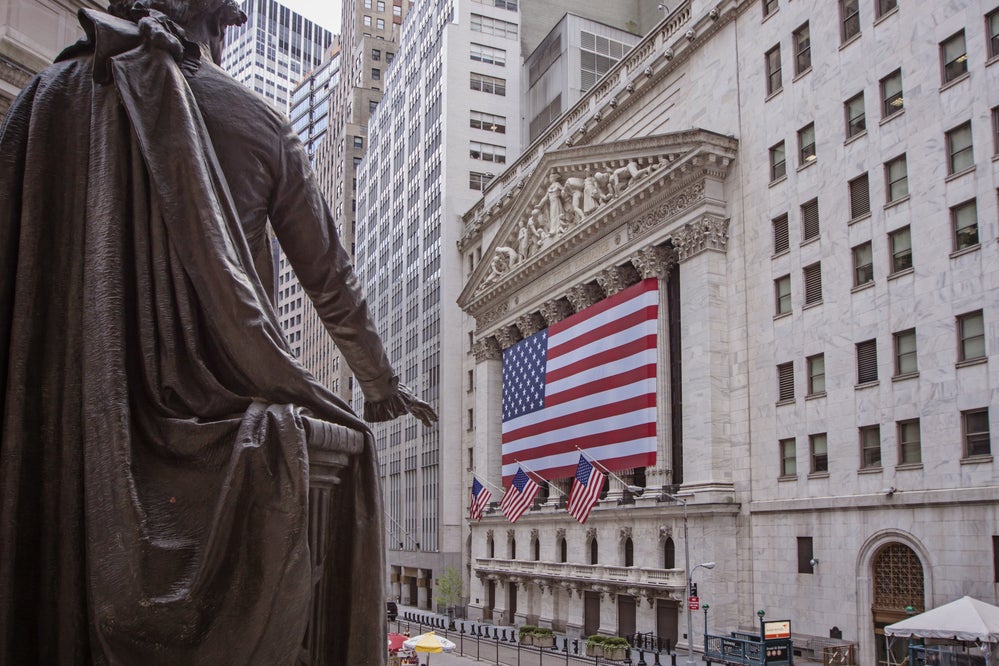
For Art Cashin, who was just starting his career on the trading floor of the New York Stock Exchange (NYSE) at the time, the crisis provided an invaluable lesson in managing risk during periods of heightened uncertainty. Cashin recalls how the market reacted to the news, with major declines in stock prices, particularly in sectors directly tied to defense and geopolitical stability.
Despite the fears surrounding the crisis, the market eventually stabilized, and many stocks rebounded as investors gained confidence that the situation would not lead to an all-out war. This experience taught Cashin the importance of staying calm, gathering information, and assessing the long-term impacts of geopolitical events on the market, rather than making hasty, emotion-driven decisions.
The Psychology of Market Turbulence
One of the key insights Cashin has gained from his experience during the Cuban Missile Crisis is the psychological aspect of market turbulence. Financial markets are not just driven by numbers; they are also deeply influenced by human emotions, such as fear, panic, and greed. These emotions often manifest in rapid sell-offs or irrational price movements, especially during crises.
Cashin emphasizes that the most successful investors are not those who predict the market’s short-term moves with perfect accuracy, but those who are adept at managing their emotions and maintaining a long-term perspective. “When the market is volatile, the hardest thing to do is to think rationally,” Cashin notes. “The key is not to get swept up in the fear of the moment. Stay calm, look at the facts, and make decisions based on fundamentals.”
The Role of Information in Decision-Making
Another crucial lesson Cashin learned from the Cuban Missile Crisis is the importance of reliable information during times of crisis. During the Cuban Missile Crisis, misinformation and incomplete intelligence fueled panic and confusion. In today’s digital age, the speed of information dissemination has increased exponentially, but so has the potential for misinformation to spread quickly.
Cashin stresses that investors should always question the sources of their information and avoid acting on rumors or sensational headlines. The rise of social media and the 24-hour news cycle has only amplified the noise that traders face, making it more difficult to distinguish between valuable insights and market noise. In the case of market turbulence, Cashin advises investors to focus on trusted sources and rely on data-driven analysis rather than reacting impulsively to speculative reports.
The Evolution of Market Risk Management
Over the years, Cashin has observed a significant shift in how financial markets respond to crises. While the Cuban Missile Crisis was a geopolitical event, subsequent market disruptions have been influenced by a variety of factors, including economic recessions, financial crises, natural disasters, and more recently, the COVID-19 pandemic. Each of these events has required investors to adapt their strategies to new risks.
In the wake of the 2008 global financial crisis, Cashin, along with other market veterans, saw a notable shift in risk management practices. Financial institutions and investors began to place a greater emphasis on diversification, stress testing, and the development of contingency plans. Cashin notes that one of the most important tools in risk management is the ability to stay flexible in the face of uncertainty. Financial markets can be unpredictable, and the ability to pivot quickly when the environment changes is a crucial skill for navigating volatility.
- Diversification: Spreading investments across various sectors and asset classes to reduce the impact of market volatility.
- Stress Testing: Simulating extreme market conditions to assess the resilience of a portfolio or financial institution.
- Flexibility: Adapting quickly to changing market conditions without being overly committed to a single strategy or position.
The Role of Technology in Modern Market Turbulence
Today, the role of technology has transformed the way investors approach market turbulence. Advanced algorithms, high-frequency trading, and artificial intelligence have all become integral components of modern financial markets. While these tools can provide sophisticated insights and speed up decision-making, they also introduce new complexities and risks.
Cashin acknowledges the significant role technology plays in the current market environment but also cautions against over-reliance on automated systems. He believes that while technology can enhance decision-making, it cannot replace the judgment, intuition, and experience of seasoned market professionals. In times of crisis, human oversight remains a critical component of effective risk management. For example, automated trading systems can amplify market swings if they are not properly monitored, especially during periods of heightened volatility.
Learning from History: Applying the Cuban Crisis Lessons to Modern Markets
As financial markets face an increasingly complex and interconnected global landscape, the lessons Art Cashin learned from the Cuban Missile Crisis remain more relevant than ever. Today’s investors must navigate not only geopolitical risks but also factors such as climate change, technological disruption, and shifting regulatory landscapes. However, the core principles that guided Cashin during his early career remain unchanged: remain calm, rely on trusted information, and maintain a long-term perspective.
The Cuban Missile Crisis was an event that tested the limits of human endurance and decision-making, both on the global stage and within financial markets. Art Cashin’s reflections on this period offer a valuable reminder that even in the most uncertain and chaotic moments, markets can recover—provided that investors keep their composure and remain focused on the fundamentals.
Conclusion: The Enduring Wisdom of Art Cashin
Art Cashin’s reflections on the Cuban Missile Crisis provide a timeless perspective on how to navigate market turbulence. His experience highlights the importance of emotional discipline, reliable information, and adaptive risk management strategies in the face of uncertainty. As the global financial landscape continues to evolve, investors would do well to heed Cashin’s advice and stay grounded in the lessons of history, recognizing that even the most turbulent times eventually give way to more stable conditions.
For more insights on market strategies and historical lessons, visit CNBC Market Insights.
See more CNBC Network